Indonesia's Climate Plan: What it Means for Global Carbon Goals

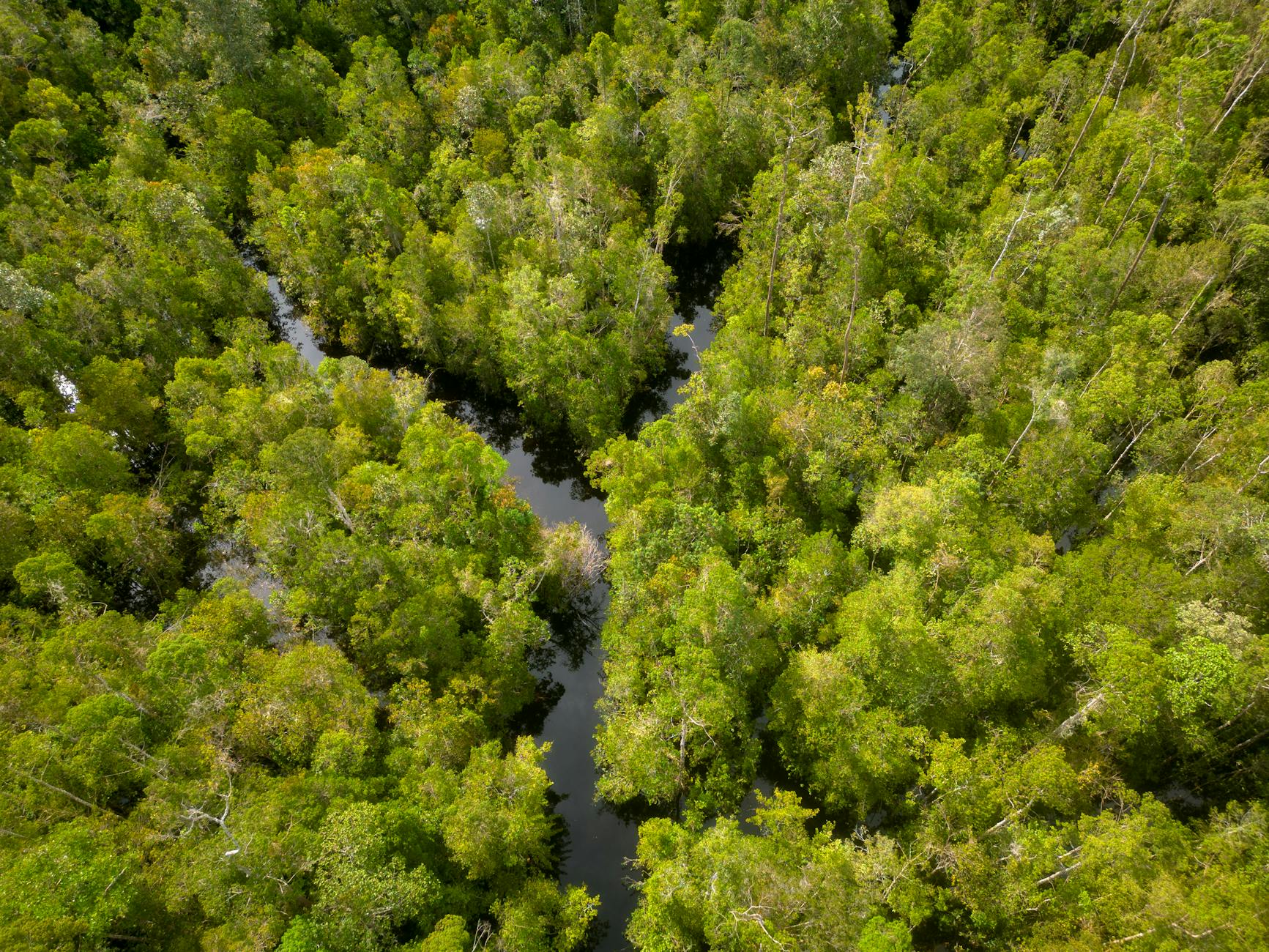
Indonesia is making significant strides to become a key player in the global carbon credit market. The country is developing a new methodology panel and a national nesting framework to prepare for international carbon trading under Article 6 of the Paris Agreement. These initiatives are crucial for ensuring the integrity of carbon credits and preventing double counting, attracting vital climate investment. With its vast rainforests, mangroves, and peatlands, Indonesia holds immense potential to contribute to global emissions reduction efforts and combat climate change.
Indonesia is actively building a robust system for trading carbon credits across borders. The government plans to establish a methodology panel, consisting of scientists and experts, to review how projects measure their emissions reductions. This panel will ensure that all carbon-cutting efforts meet both national and international standards. Alongside this, a national nesting framework is being developed, which will connect local carbon projects with Indonesia's overall greenhouse gas inventory.
This is a critical step, especially given Indonesia's vast natural carbon assets. The country boasts the world's third-largest tropical rainforest, covering about 95.5 million hectares, according to its Ministry of Forestry. It also contains roughly 20% of the world's total mangrove area, which are powerful carbon sinks, storing significantly more carbon than many tropical forests. These ecosystems, along with extensive tropical peatlands, collectively store billions of tonnes of carbon, making their protection vital for both Indonesia's climate targets and global warming mitigation. Indonesia’s Forestry and Other Land Use (FOLU) Net Sink 2030 program aims for a net carbon sink of 140 million tonnes of CO₂ equivalent by 2030, highlighting a clear commitment to protecting these resources.
These new frameworks are essential because vast forests alone aren't enough for a successful carbon market. Buyers need confidence that every carbon credit is legitimate and counted only once. The nesting framework will prevent double counting by linking project-level reductions with national climate accounts. It will also help Indonesia approve carbon credits for international trade through a process called Corresponding Adjustments, which is key for high-integrity Article 6 markets.
Indonesia has already laid important groundwork, including launching IDXCarbon, its national carbon exchange, in September 2023. By July 2025, over 1.6 million tonnes of CO₂ equivalent had been traded. The new panel and framework build on these existing systems, aiming to strengthen the market and boost investor confidence.
The timing for these advancements is opportune as global demand for Article 6 carbon credits is on the rise. Countries are increasingly moving from discussions to actively implementing international carbon trading. The International Emissions Trading Association (IETA) estimates that Article 6 could cut global climate target costs by up to $250 billion annually by 2030, channeling billions into developing nations supplying high-quality emissions reductions. Nature-based solutions, like those from Indonesia’s forests and mangroves, are expected to play a crucial role.
Indonesia's commitment to these reforms is about more than just regulations; it's about building trust in the global carbon market. Clear rules, transparent accounting, and confidence in genuine emissions reductions are foundational. Successfully implementing these systems could transform Indonesia into a leading global supplier of Article 6 carbon credits. This would not only support critical forest conservation and attract significant climate investment but also create new economic opportunities while accelerating global progress towards net-zero emissions. For the world's climate future, Indonesia is transforming its natural wealth into a powerful tool for environmental action.