Indonesia's Green Flight Plan: What's Changing for Air Travel?

Indonesia is taking a major step towards cleaner air travel through a new partnership between state-owned energy company Pertamina and aviation giant Boeing. This collaboration aims to develop a robust ecosystem for Sustainable Aviation Fuel (SAF) across the country. As air travel grows rapidly, especially in Southeast Asia, this initiative is crucial for reducing aviation's carbon footprint and supporting Indonesia's ambitious net-zero emissions targets. It highlights the urgent need for innovative solutions to decarbonize one of the world's hardest-to-abate sectors, paving the way for a more sustainable future in the skies.
Indonesia is actively boosting its efforts for sustainable aviation. State-owned energy company PT Pertamina (Persero) and Boeing have signed an agreement to explore and develop a comprehensive Sustainable Aviation Fuel (SAF) ecosystem. This isn't just about making fuel; it’s about creating an entire system that connects everything from where the raw materials come from to how the fuel gets to airplanes.
The partnership will focus on finding sustainable sources for SAF, evaluating production methods, supporting new policies, and building local expertise and investment in Indonesia’s SAF industry. The goal is to establish a complete supply chain that ensures a steady flow of cleaner fuel for a growing aviation market, thereby addressing the climate crisis.
Indonesia is uniquely positioned to become a leader in this area. The country has abundant resources, including agricultural waste, palm oil residues, and used cooking oil, all of which can be turned into SAF. These waste materials are a fantastic, environmentally friendly alternative to traditional fossil fuels, supporting circular economy goals and reducing reliance on imported energy. Plus, Indonesia already has refining facilities and a booming aviation sector, making it an ideal hub for this green transition.
Why does this matter so much? The aviation industry currently contributes significantly to global carbon emissions, and unlike cars, planes don't have many immediate alternatives to liquid fuels. That’s where SAF comes in. Made from renewable and waste materials, SAF can cut lifecycle carbon emissions by up to 80% compared to regular jet fuel. It's compatible with existing aircraft and airport infrastructure, meaning airlines can start reducing their environmental impact today without needing new planes.
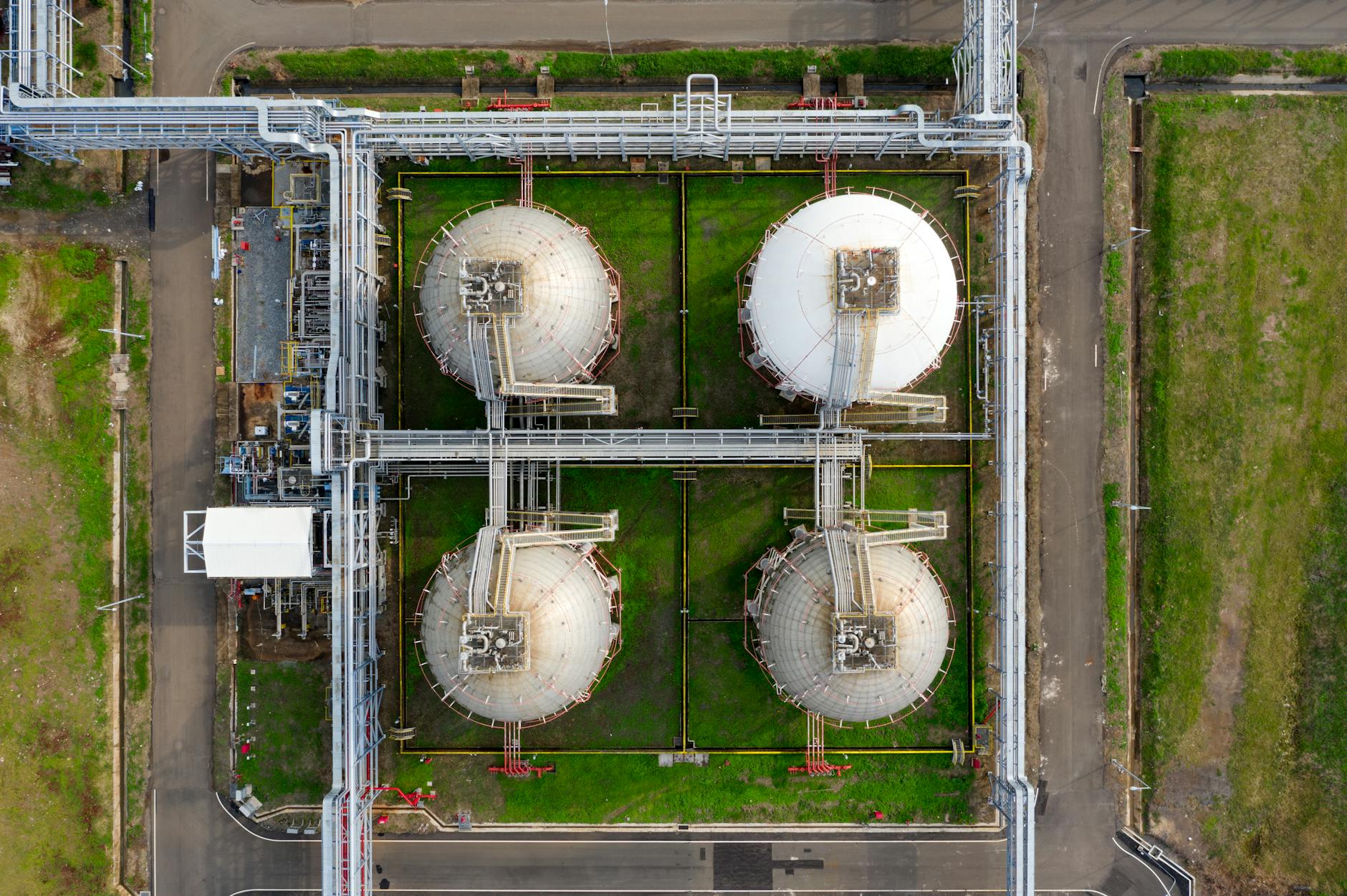
Pertamina is already active in this space, having launched its own Sustainable Aviation Fuel and conducting trials with Indonesian airlines. The company's Cilacap Biorefinery project, which aims to produce SAF and other renewable fuels from waste, underscores Indonesia’s commitment to building a domestic clean energy industry. This collective action is vital for mitigating global warming and ensuring a habitable planet.
This partnership aligns perfectly with Indonesia’s national goal of reaching net-zero emissions by 2060 and President Prabowo Subianto's vision for cleaner energy. By investing in SAF, Indonesia is not only contributing to global climate action but also strengthening its energy security and creating new economic opportunities rooted in sustainable solutions.