Indonesia's unique plea as choking smoke blankets its cities

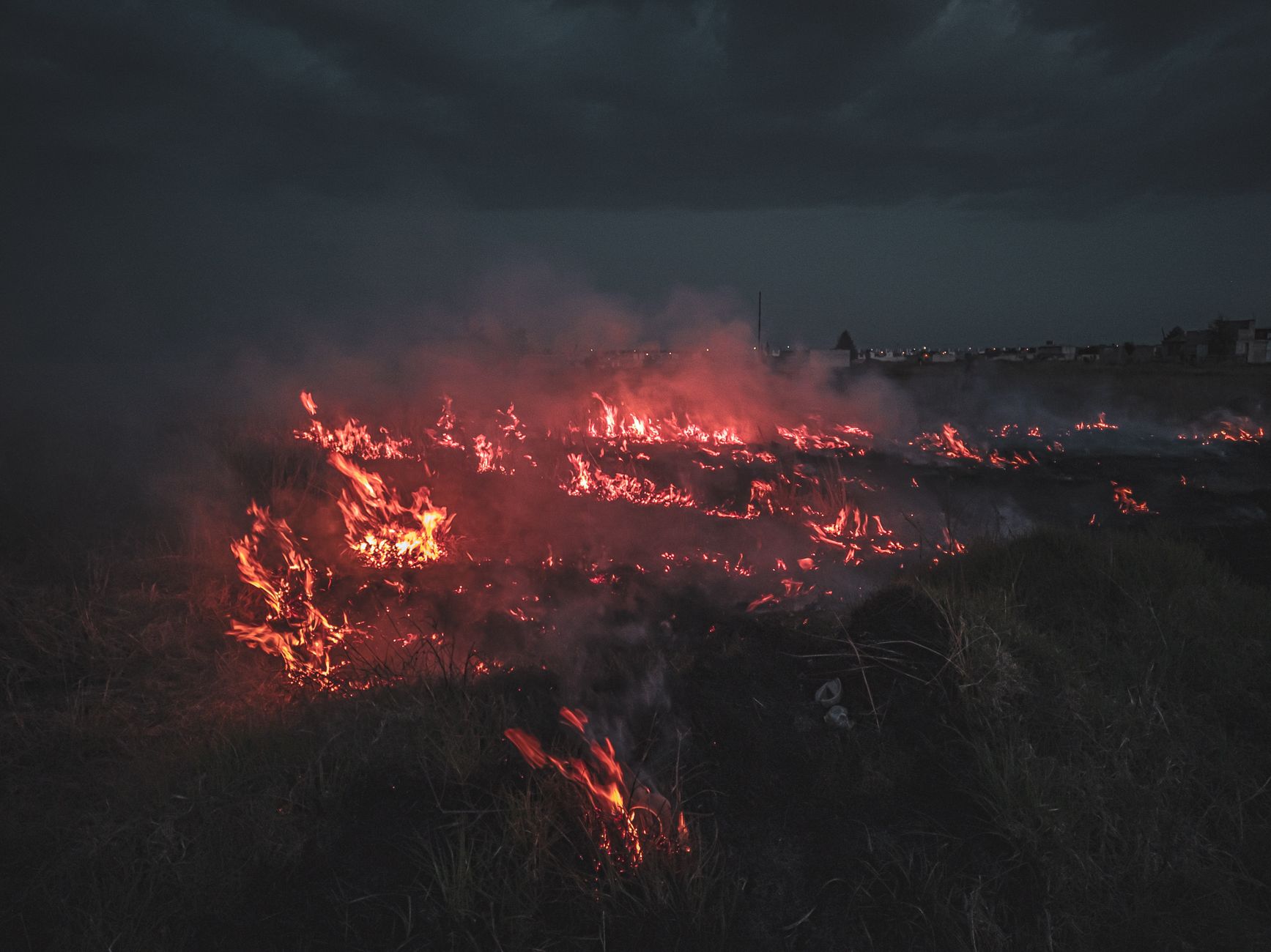
Indonesian provinces are battling severe wildfires, creating a thick, choking haze that has blanketed cities and threatened public health. With the dry season intensified by an El Niño pattern, thousands gathered in South Sumatra for a special prayer, seeking divine intervention for rain. This spiritual appeal underscores the desperate situation as vast areas of forests and peatlands continue to burn. The ongoing environmental crisis demands urgent action to protect vulnerable ecosystems and communities.
Indonesia is once again grappling with widespread wildfires, particularly across Sumatra and Borneo islands. These blazes, worsened by a prolonged dry season and the powerful El Niño weather pattern, are burning through forests and crucial peatlands. The result is a dangerous, thick haze that severely reduces visibility, disrupts daily life, and poses serious health risks for millions. This year alone, hundreds of square miles have been consumed by fire, with thousands of hotspots detected across Kalimantan and South Sumatra.
In a striking display of desperation, some 3,000 residents in Palembang, South Sumatra, recently gathered for a special Islamic prayer for rain. This act highlights the profound environmental challenges faced by the region, where emergency services are already stretched thin. Firefighters, numbering over 24,000, are working tirelessly on the ground, supported by efforts to induce rainfall through cloud seeding and water-bombing aircraft.
The fires are often started intentionally to clear land for farming or plantations, a practice that, while cheap, has devastating environmental consequences. The Indonesian government is stepping up its response, sanctioning forestry companies found to have burned land within their concessions and arresting dozens of individuals suspected of arson. Addressing these recurrent fires is critical not only for local communities but also for neighboring countries like Malaysia and Brunei, which frequently suffer from the cross-border haze. Collective action and sustainable land management are essential to protect these vital natural environments from future destruction and to mitigate the worsening impacts of climate change.