Invisible Ocean Wave Quietly Elevates West Coast Sea Levels

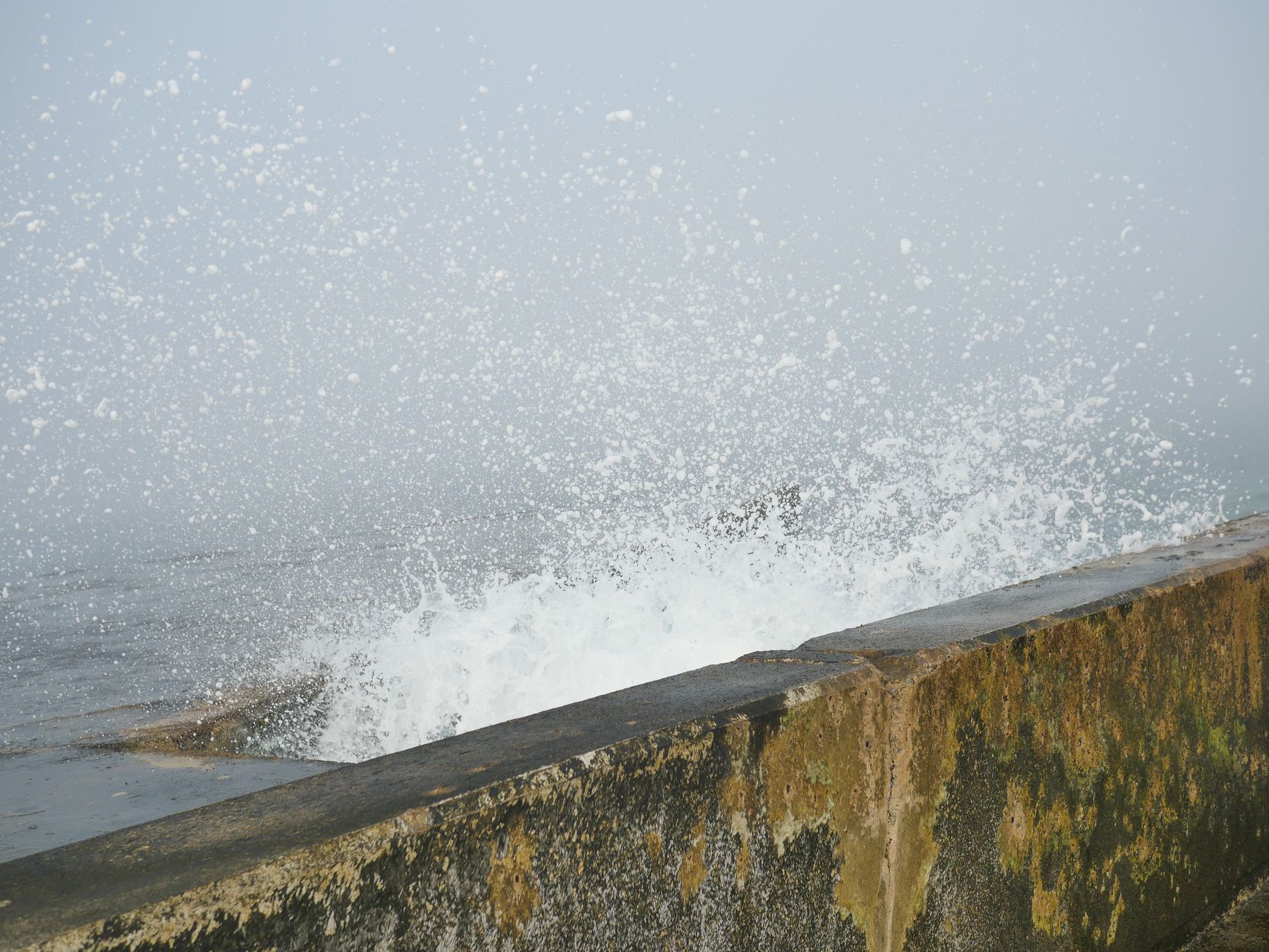
A significant sign of this year's Super El Niño has arrived on the U.S. West Coast: a Kelvin wave. This deep ocean phenomenon, known to scientists for decades, is now gaining public attention for its potential impacts. Unlike visible storm surges, a Kelvin wave subtly raises sea levels, increasing the risk of coastal flooding and bringing warmer waters that stress vital marine ecosystems. Understanding these waves is crucial as we face changing global climate patterns.
Kelvin waves form along the equator during El Niño years, when the Pacific Ocean's vast waters become unusually warm. This immense wave travels eastward beneath the ocean's surface, eventually reaching South America before splitting to move north and south along the coastlines. It’s not a crashing, visible wave like a tsunami; instead, as Mark Cane, who developed some of the first models to forecast El Niño, puts it, it’s "like an enormous bathtub sloshing around." Lord Kelvin, the British physicist, first described this planetary-scale wave in the late 1800s.
Dillon Amaya, an assistant professor of atmospheric sciences, explains that a Kelvin wave's impact is gradual but profound. By raising the background sea level by several inches, it significantly increases the likelihood of coastal flooding and erosion. This becomes particularly dangerous when combined with other factors like major storms or unusually high tides, creating a "triple whammy" scenario. For instance, parts of Southern California experienced this firsthand when Tropical Storm Rachel hit, leading to homes partially submerged due to an already elevated sea level from the Kelvin wave.
Beyond flood risk, these waves also introduce warmer waters to the coast. This warming can be disruptive and put stress on marine life, pushing nutrient-rich cold waters deeper and altering habitats. Scientists have observed tropical fish in unexpected areas and even sea birds dying in response to these changes. With typically five to six Kelvin waves occurring during a strong El Niño year, and this year's El Niño predicted by NOAA to remain strong through early 2027, communities and ecosystems along the West Coast need to prepare for ongoing impacts. These climate-driven ocean phenomena underscore the critical importance of understanding our planet's interconnected systems and the urgency of environmental action.