Invisible Threat: Why This 'Forever Chemical' Surprised Scientists in NC

Scientists in North Carolina have made a startling discovery: a 'forever chemical' called TFA, previously considered less harmful, is widespread in both the environment and people's blood. This compound, part of the larger PFAS family, was found in high concentrations in Wilmington's drinking water and residents' blood, challenging industry claims. The findings highlight an urgent environmental and public health concern, revealing deeper contamination issues than previously understood in the Cape Fear River Basin.
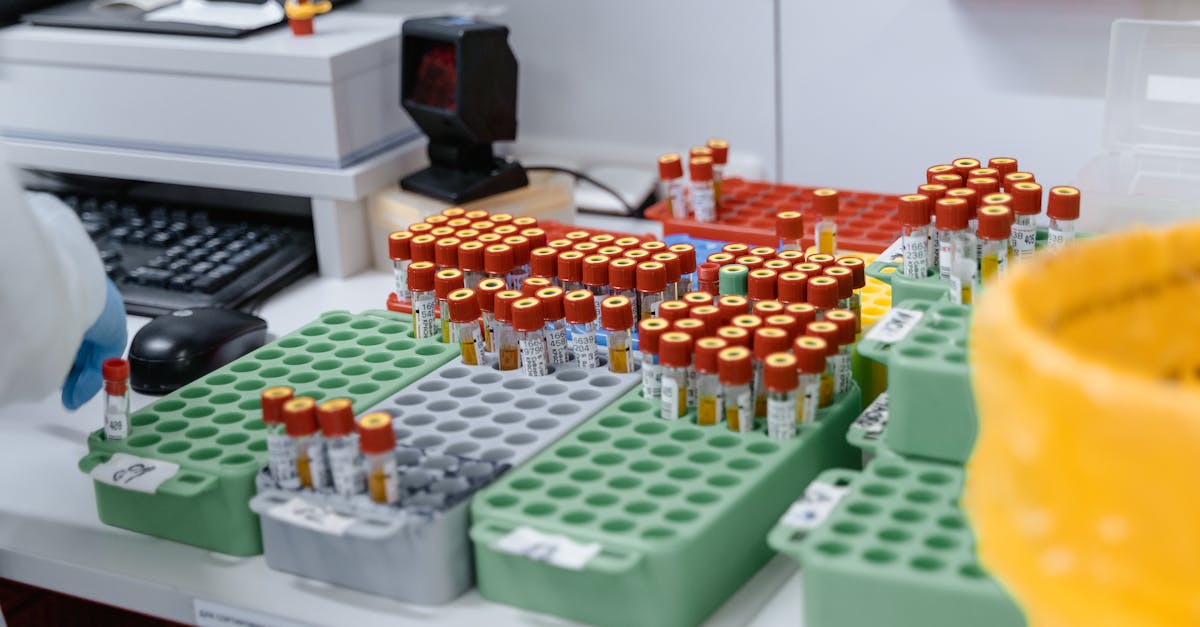
Environmental epidemiologist Jane Hoppin and her team at N.C. State University and the University of North Carolina at Chapel Hill unexpectedly found high levels of trifluoroacetic acid, or TFA, in blood samples from Wilmington residents and archived water from the Cape Fear River. This was surprising because the chemical industry had suggested TFA was “of lower concern” due to its rapid breakdown in the body. However, its significant presence indicates ongoing exposure.
The study, released in October, confirmed that all blood samples contained at least one of 34 toxic PFAS chemicals, including those linked to the Chemours plant upstream in Fayetteville. More than three-quarters of the samples showed elevated TFA levels. This alarming persistence points to various, previously unrecognized sources of exposure, beyond what regulators have addressed.
While federal and state drinking water standards exist for some PFAS, there are none for TFA. This lack of regulation is particularly concerning as Chemours plans to expand its Fayetteville Works plant, despite its past role in PFAS contamination. The company claims TFA isn't harmful and that emissions will decrease, but independent research and environmental groups raise serious doubts.
TFA is often called a “regrettable substitute” because it emerged as a replacement for ozone-depleting chemicals, only to create new environmental problems. It's now found in everyday items, from refrigerants in data centers to certain pesticides and even antidepressant medications. Global TFA levels have surged, with Scandinavian scientists warning of “potential irreversible, disruptive impacts on vital earth system processes” according to Scandinavian scientists.
Recent sampling by Cape Fear Riverkeeper Kemp Burdette found extremely high TFA concentrations downstream from Chemours and even in Wilmington’s advanced filtration system, exceeding Dutch health guidance levels. These findings, coupled with Germany's classification of TFA as potentially toxic to reproduction earlier this year the German government proposed classifying TFA as toxic, underscore the urgent need for action. Environmental groups are pushing for stricter regulations, more transparent reporting from Chemours, and expanded testing, especially for private wells, to truly protect communities from this pervasive and poorly understood chemical threat.