Iowa Faces Toxic Cloud: What Happens When 5 Tons Explode?

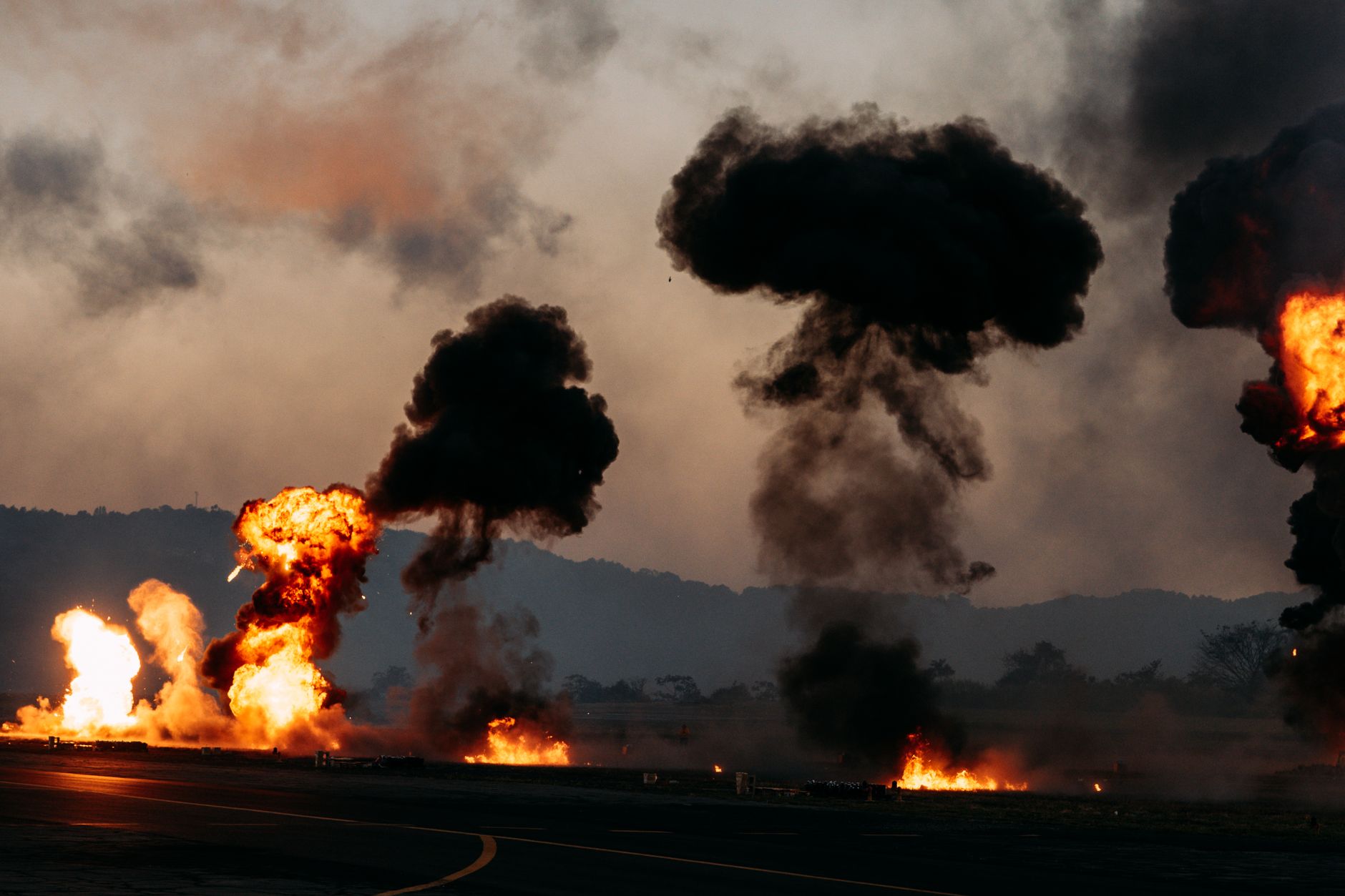
The U.S. Army plans to detonate five tons of unstable bomb-making chemicals, lead azide, at the Iowa Army Ammunition Plant, causing significant worry among local residents. This material, which became unstable due to long-term storage, poses an explosion risk if moved. The detonation is expected to create a lead dust cloud, raising serious environmental contamination and public health concerns, particularly for young children. Officials have issued advisories, recommending evacuation or sheltering in place for those in the potential plume path, underscoring the urgency of minimizing lead exposure.
The plan involves two controlled blasts to safely dispose of lead azide that has crystallized, making it highly sensitive to shock. This unusual situation emerged after the plant paused operations and discovered the degraded material, which had been stored for over two decades in earthen-covered containers. Experts deemed moving the unstable chemicals too risky, especially in cold weather, leading to the decision for an on-site detonation.
While the Army assures that measures like spraying water will help contain most of the lead dust on their property, the uncertainty is causing widespread alarm. Lead is a potent neurotoxin, severely impacting brain development in young children. Residents, especially those with toddlers, are understandably concerned about potential exposure from dust settling on outdoor surfaces and the difficulty of ensuring complete cleanup. Schools in the plume's path have canceled classes, and local officials express frustration over late notice and insufficient information.
This event highlights the critical need for meticulous management of hazardous materials and clear communication with communities. The immediate risk of lead exposure, even for a short duration, necessitates collective action to protect public health and the environment. Ensuring sustainable storage and disposal practices for such volatile substances is paramount to prevent future environmental crises and safeguard communities from preventable harm.