Iowa Farm Made a Surprising Switch: Discover Their New Harvest.

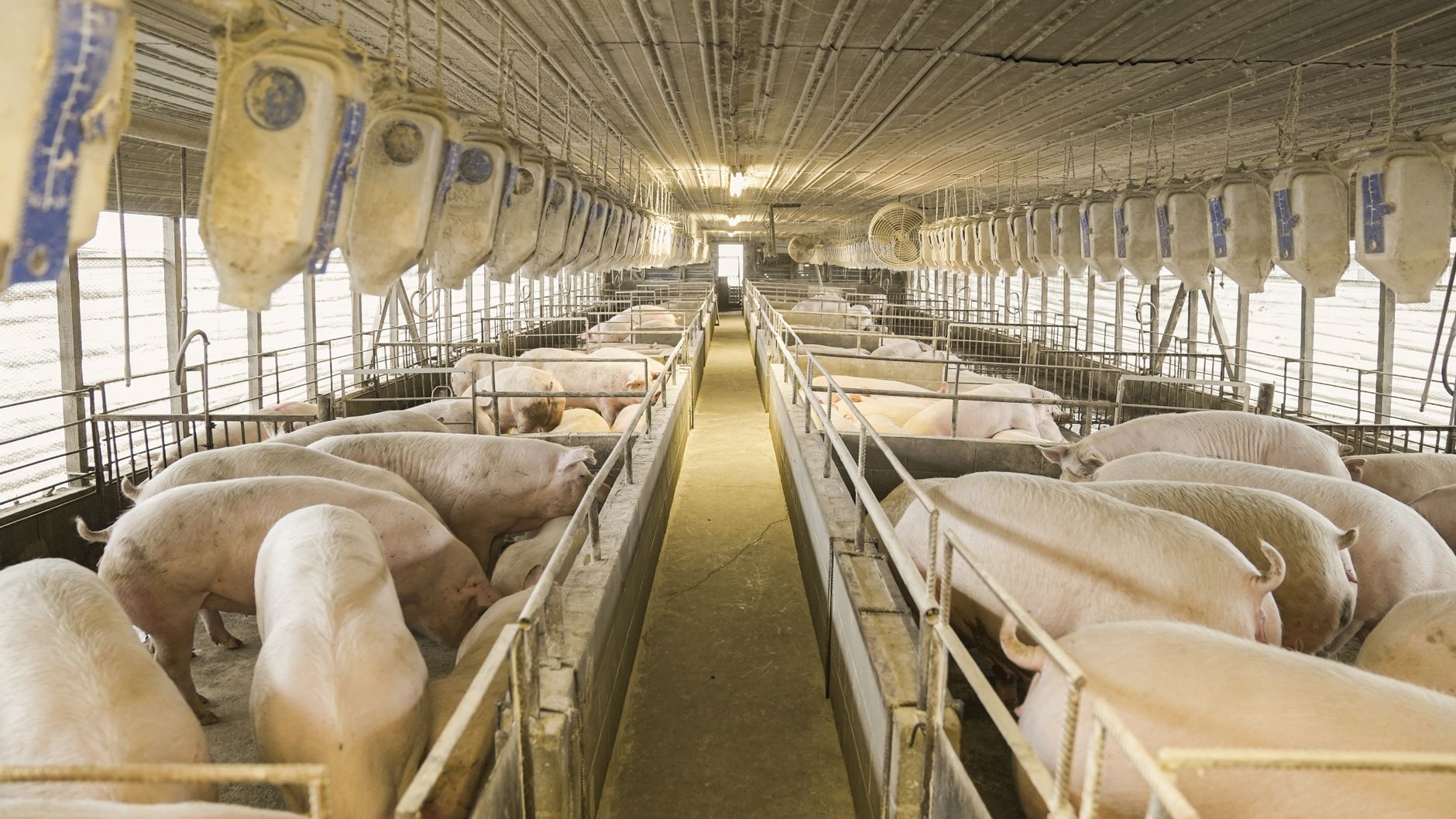
In a significant shift towards sustainable agriculture, an Iowa family has transformed their industrial hog farm into a thriving specialty mushroom operation. The Faaborg family, supported by The Transfarmation Project, repurposed their existing barns, moving away from practices that contributed to climate change through potent methane emissions and water pollution. This inspiring transition showcases a profitable new model for farmers, underscoring the urgent need for greener solutions and the benefits of adopting environmentally friendly practices to revitalize both farms and rural communities.
Step inside a long, dimly lit building in central Iowa, and instead of the sounds of hogs, you'll find fog rolling over shelves of sprouting mushrooms. The Faaborg family has made a remarkable pivot, converting their former hog barns into a state-of-the-art facility for growing specialty mushrooms like lion's mane. This innovative 1100 Farm now sells its harvest as tinctures, coffee blends, and flavored salts, proving that old infrastructure can serve a new, greener purpose.
This transformation wasn't a solo effort. The family received crucial technical and financial backing from The Transfarmation Project, an initiative of Mercy for Animals. This project specializes in helping industrial animal farmers move to sustainable practices, offering resources, expert networks, and open-source blueprints for converting existing barns. By repurposing current buildings, Transfarmation makes it easier and more affordable for farmers to make the switch, collecting valuable data from demonstration hubs like the Faaborgs' farm to guide others.
The environmental impact of this change is profound. Their previous operation, a concentrated animal feeding operation (CAFO) as defined by the EPA, raised thousands of hogs annually, producing millions of gallons of liquid manure. Manure pits are a major source of methane, a greenhouse gas which the EPA states is 28 times as potent as carbon dioxide at trapping heat. Excess manure can also lead to other emissions and water pollution. By transitioning to mushrooms, the Faaborgs have drastically reduced their environmental footprint, aligning their work with a passion for climate action and a healthier planet.
Beyond the environmental benefits, the move offers a better quality of life. Rand Faaborg, who once worked grueling 16-hour days with declining profits from hog farming, now finds more satisfaction. Industrial animal agriculture has also contributed to the decline of rural communities, replacing homes with animal barns and reducing local populations. This shift towards diversified, sustainable farming creates new jobs and helps rebuild the social fabric of rural Iowa, offering a brighter future for families and their communities.
The transformation extends beyond the barns. What was once a troublesome manure pit has been beautifully converted into a freshwater pond, teeming with frogs, ducks, and other wildlife. This "rewilding" was partially funded by a Natural Resources Conservation Service grant program from the USDA, showcasing how quickly nature can rebound when given the chance. The family has also planted native grasses, flowers, and hundreds of trees and shrubs, further enhancing water quality and wildlife habitats. This journey highlights that creating the right environment fosters both ecological recovery and personal peace of mind.