Iowa Fields, Gulf Waters: An Unseen Deadly Connection

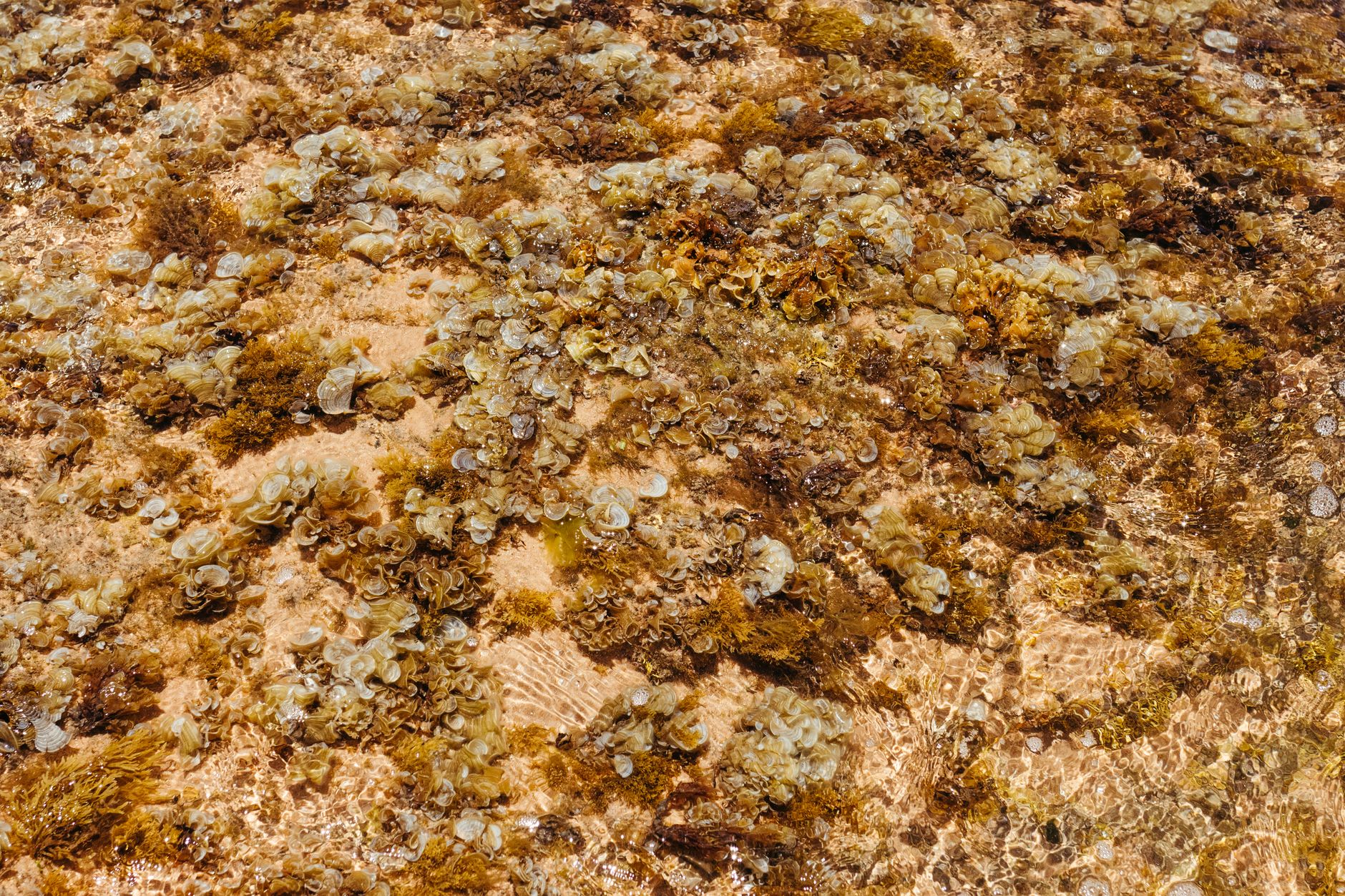
Far from the Gulf of Mexico, corn fields in Iowa play a surprising role in creating vast 'dead zones' that suffocate marine life. Fertilizer runoff from these farms travels down the Mississippi River, carrying excess nitrogen into Gulf waters. This nutrient overload fuels harmful algal blooms, which consume vital oxygen, threatening oysters, fish, and other species. As climate change brings more extreme rainfall, the urgent problem of pollution and its devastating environmental impacts only grows more severe, highlighting the critical need for sustainable farming practices.
The journey from a farm in Iowa to the shimmering waters of the Gulf of Mexico might seem long, but they are intricately connected. The Mississippi River acts as a conduit, carrying agricultural runoff from the vast watershed straight to the Gulf. This runoff, rich in nitrogen from fertilizers used on cornfields, sets off a chain reaction.
Once in the Gulf, this nitrogen feeds massive algal blooms. When these blooms die, their decomposition sucks oxygen out of the water, creating areas known as "dead zones" where marine life struggles to survive. This situation is devastating for oysters, fish, and countless other species essential to the Gulf's ecosystem and economy. University of South Florida researcher Maya Trotz explains that the problem is becoming even more urgent, as increased extreme rain due to climate change washes even more fertilizer into our waterways.
Fortunately, solutions are within reach. Groups like BlueGAP are working to inform farmers and communities about effective strategies. Simple adjustments, such as precisely timing and applying fertilizer, can give plants what they need without excess runoff. Additionally, planting strips of trees and grasses along waterways acts as a natural filter, reducing erosion and cleaning water before it ever reaches the river. These sustainable practices not only improve water quality locally but also hundreds of miles downstream, demonstrating that even a big problem can be solved through collective action for our planet.