Iowa Residents Stunned: Secret Waste Pit Emerges in Scenic Hills

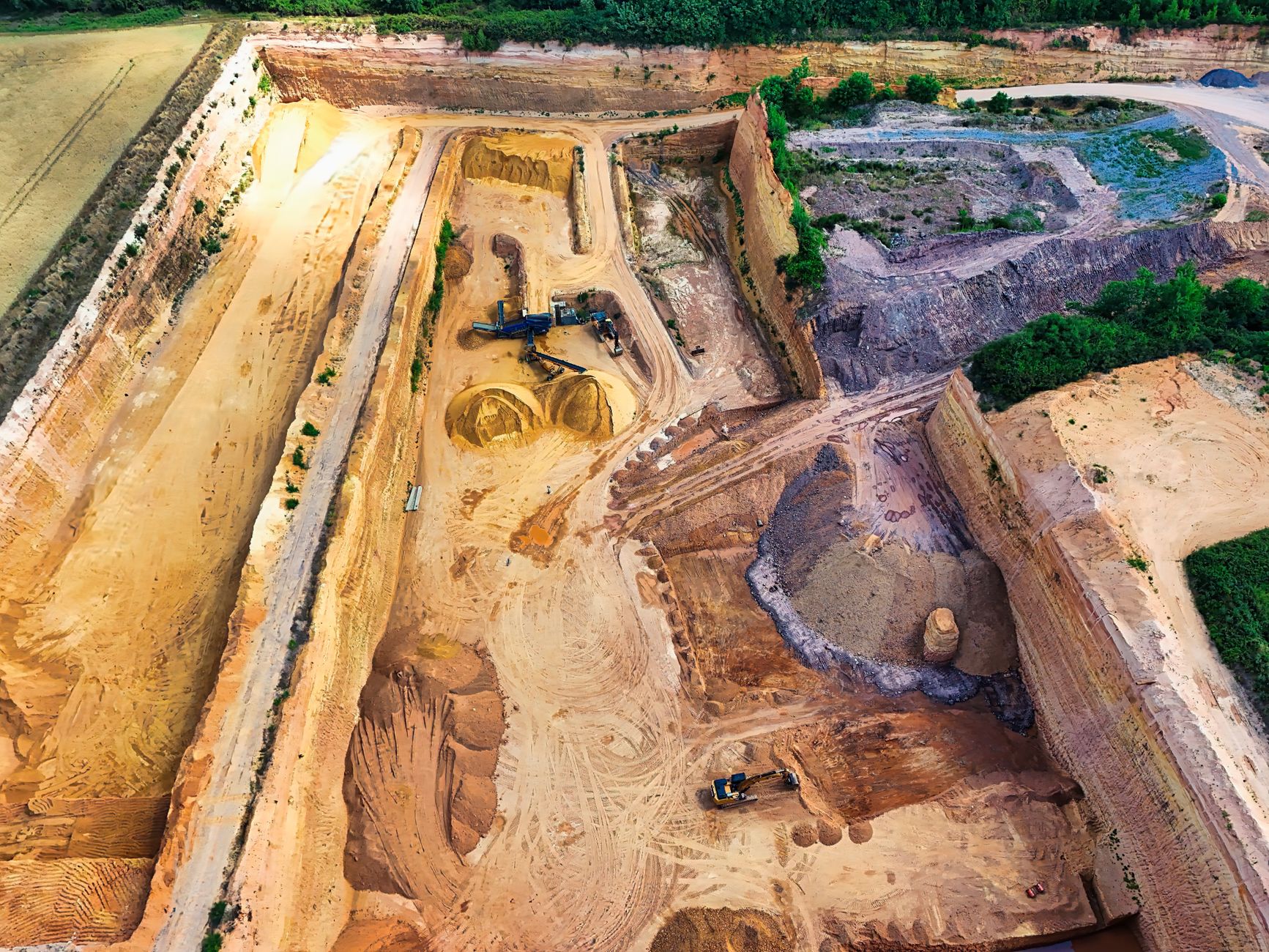
Residents in Iowa's stunning Loess Hills were left in the dark when a massive industrial waste pit suddenly appeared, intended for slaughterhouse byproducts. This clandestine project, spearheaded by a private developer and a major pork processor, ignited a fierce community backlash over potential environmental damage, including water contamination and foul odors in a cherished natural area. The incident exposed significant regulatory loopholes, highlighting how industrial waste faces fewer restrictions than traditional farm manure. Though public pressure ultimately forced the project's withdrawal, the fight for greater transparency and stronger environmental protections continues.
A dirt pit spanning the size of five football fields unexpectedly materialized near a historic cemetery in Castana, Iowa, blindsiding local residents. This excavation site bordered the Loess Hills, a unique 200-mile corridor of bluffs and ridges, recognized as one of the American heartland's most distinctive natural landscapes. Rumors quickly spread that a private developer was building a lagoon to store animal-waste byproducts from a meat-processing plant.
Local officials and the Iowa Department of Natural Resources (DNR) field office only learned of the project after residents filed complaints. It was then revealed that Hawthorn Land Holdings planned to store "industrial byproduct waste" from the Seaboard Triumph Foods pork processing facility. The company claimed the waste, a dense residue called DAFcake, would be applied as fertilizer on nearby farmland, a process that, at specific rates, doesn't require a permit under current Iowa rules. Crucially, the regional DNR office responsible for local compliance and county officials were never informed.
Residents, like Scott Koepsell, quickly organized, forming a Facebook group to share information and mobilize. Their concerns were deep-seated: strong odors, but more significantly, the potential threat to the local water table. Iowa already grapples with significant water quality issues, with immense manure production contributing to dangerously high nitrate loads in municipal water supplies, posing serious risks to public health and the environment. Dumping more industrial waste near a cherished natural landmark, which has even been considered for national park status, felt like a betrayal.
Amidst growing public outrage and a town hall meeting, the developer ultimately withdrew the project, acknowledging a lack of transparency. Seaboard Triumph Foods also publicly distanced itself from the site. This swift victory highlighted a critical flaw in Iowa's regulations: waste from slaughterhouses is classified as "industrial byproduct," not traditional "manure." This distinction means it faces fewer oversight requirements than what individual farmers encounter for their own waste storage facilities. County Supervisor Bo Fox noted the irony, stating, "It’s interesting that an individual farmer or producer has more restrictions on them than an industry does."
Though relieved, residents fear that these regulatory gaps could allow similar projects to emerge elsewhere without proper community notification or environmental review. They are now working to amend county zoning ordinances and petition the DNR for stricter rules that would require local government notification and approval for such facilities. As Koepsell put it, "If it can happen here, it can happen anywhere in Iowa," underscoring the urgent need for robust environmental protection and transparency in industrial waste management to safeguard Iowa's natural beauty and water resources.