Iowa's Green Power Shift Faces a Surprising Twist

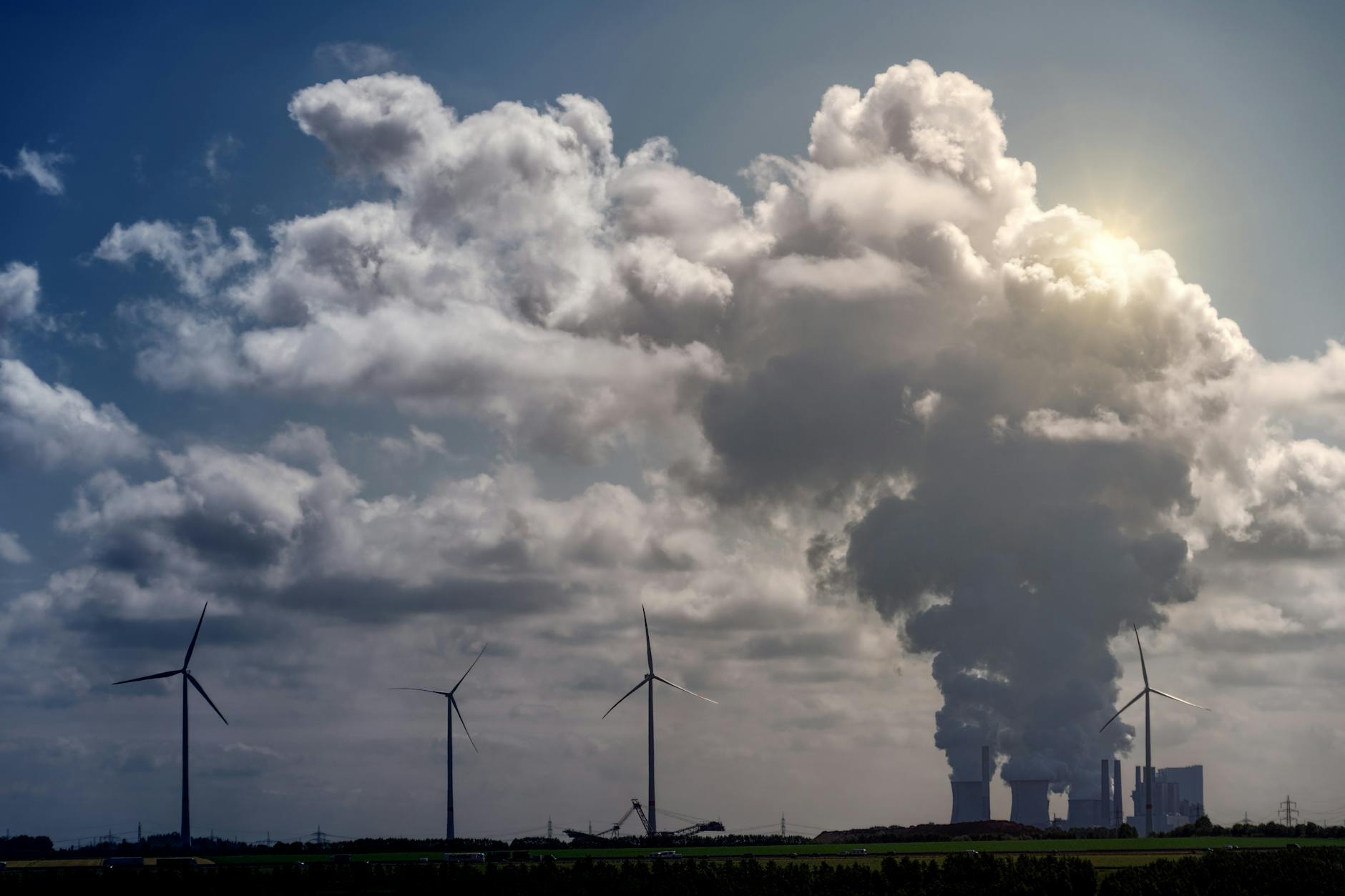
Iowa, a state celebrated for powering nearly two-thirds of its electricity with wind, is now seeing a surprising return to coal. A new report reveals that from 2024 to 2025, major utilities significantly increased coal power generation for the first time in years. This shift is driven by a booming demand for electricity, fueled by new data centers and manufacturing, combined with a slowdown in new wind and solar projects. This reliance on aging, polluting coal plants poses serious risks to air quality and public health, underscoring the urgent need for faster investment in clean energy solutions to safeguard our environment.
For years, Iowa has been a national leader in wind energy, dramatically reducing its reliance on coal. However, this progress has hit an unexpected snag. According to an annual report from the Iowa Environmental Council, the state's two largest electric utilities, MidAmerican Energy Co. and Interstate Power and Light, increased their coal power generation from 2024 to 2025. MidAmerican saw coal rise from 21 percent to 27 percent of its power mix, while Interstate Power and Light's coal use jumped from 12 percent to 20 percent.
This uptick is largely due to soaring electricity demand, attributed by the Iowa Nuclear Energy Task Force to the expansion of data centers and manufacturing facilities. At the same time, the development of new large-scale wind and solar projects has slowed, facing challenges like expiring federal tax credits, local opposition, and rising material costs. This creates a gap in energy supply that older, less efficient coal plants are currently filling.
However, burning more coal comes with significant environmental and health costs. Iowa's remaining coal facilities are outdated and release harmful pollutants such as nitrogen and sulfur oxides, toxic heavy metals like mercury and arsenic, and fine particulate matter. These emissions are known to worsen respiratory conditions like asthma, contribute to heart disease, and have been linked to increased cancer risk. Data shows that emissions of sulfur dioxide and nitrogen oxide from these utilities increased by over 50 percent from 2024 to 2025, correlating with a rise in particulate matter in the state's air.
While utilities emphasize their commitment to reliability and future net-zero goals, experts suggest that advanced energy storage solutions could meet demand without resorting to coal. Technologies like hydrogen production or pumped hydroelectric power can store excess renewable energy for use during peak demand, offering a cleaner, more sustainable path. This temporary reliance on coal underscores the urgent need to accelerate the deployment of clean energy infrastructure and transition away from fossil fuels to protect our environment and ensure a healthier future for all.