Iowa's Water Crisis: What's Really Polluting Our Rivers?

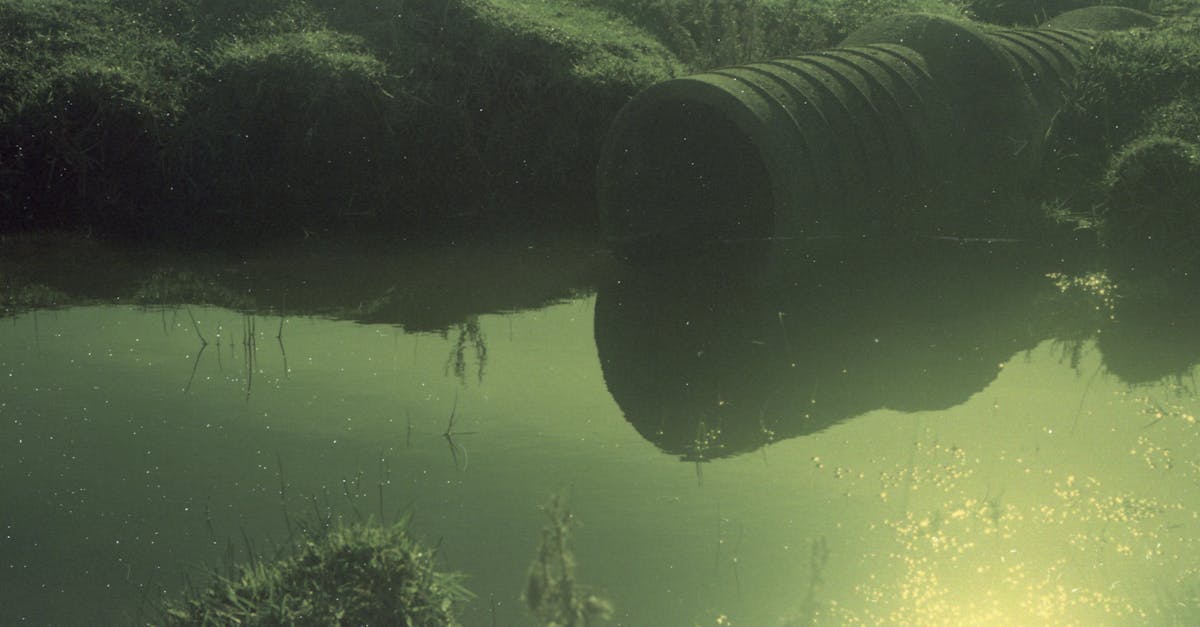
Iowa faces a deepening water crisis, largely fueled by pollution from its numerous factory farms, known as Concentrated Animal Feeding Operations (CAFOs). Despite federal laws like the Clean Water Act designed to prevent such contamination, Iowa's regulatory bodies have largely failed to enforce these protections, issuing permits to a mere 4 percent of federally recognized CAFOs. This lax oversight has led to widespread manure runoff, contaminating drinking water sources with harmful nitrates and bacteria. The situation highlights an urgent need for stronger environmental action to safeguard public health and preserve vital ecosystems.
Gordon Garrison, an Iowa resident, witnessed this firsthand when murky red rainwater, laden with manure from a neighboring 4,400-head hog confinement, flowed into a stream near his property. Despite being fined for inadequate manure management, the company was never required to obtain a Clean Water Act permit, a common pattern across Iowa. These permits, under the National Pollutant Discharge Elimination System (NPDES), are meant to impose strict environmental controls, but Iowa's Department of Natural Resources (DNR) prefers a less punitive approach, often letting polluters off with a warning or a minimal fine.
This lack of strict enforcement has dire consequences. Manure spills and stormwater runoff from CAFOs introduce excessive nutrients and bacteria into Iowa's waterways, leading to harmful algal blooms and aquatic "dead zones" that devastate local ecosystems. More critically, nitrate contamination pushes drinking water past federal safety limits, forcing municipal utilities to invest millions in treatment. Research links long-term exposure to nitrates in drinking water to serious health concerns, including various cancers, a particularly alarming finding given Iowa's high cancer rates.
Even after a 2011 EPA investigation found Iowa was failing to enforce the Clean Water Act, and a five-year work plan was implemented, the number of permitted CAFOs in the state actually declined. State regulators often accept "permanent remedies"—sometimes as simple as cleaning up a spill—instead of requiring NPDES permits, which would impose ongoing monitoring and stricter penalties for repeat violations. Notably, hog confinements, which are prevalent in Iowa, are largely exempt from permits under state law, a significant loophole.
For citizens like Gordon Garrison, who fought a years-long legal battle against a polluting CAFO, the system feels broken. He believes the state prioritizes the economic power of the meat industry over environmental protection and its residents' well-being. With growing public frustration and water quality becoming a key election issue, the urgency for sustainable solutions and stronger environmental governance is clearer than ever. Without robust enforcement, citizen-led initiatives, such as Nitrate Watch, are left to fill the gap, highlighting the critical need for a well-funded and willing regulatory body to truly protect Iowa's water.