Iowa Town Spends $800,000 on New Well… What Went Wrong?

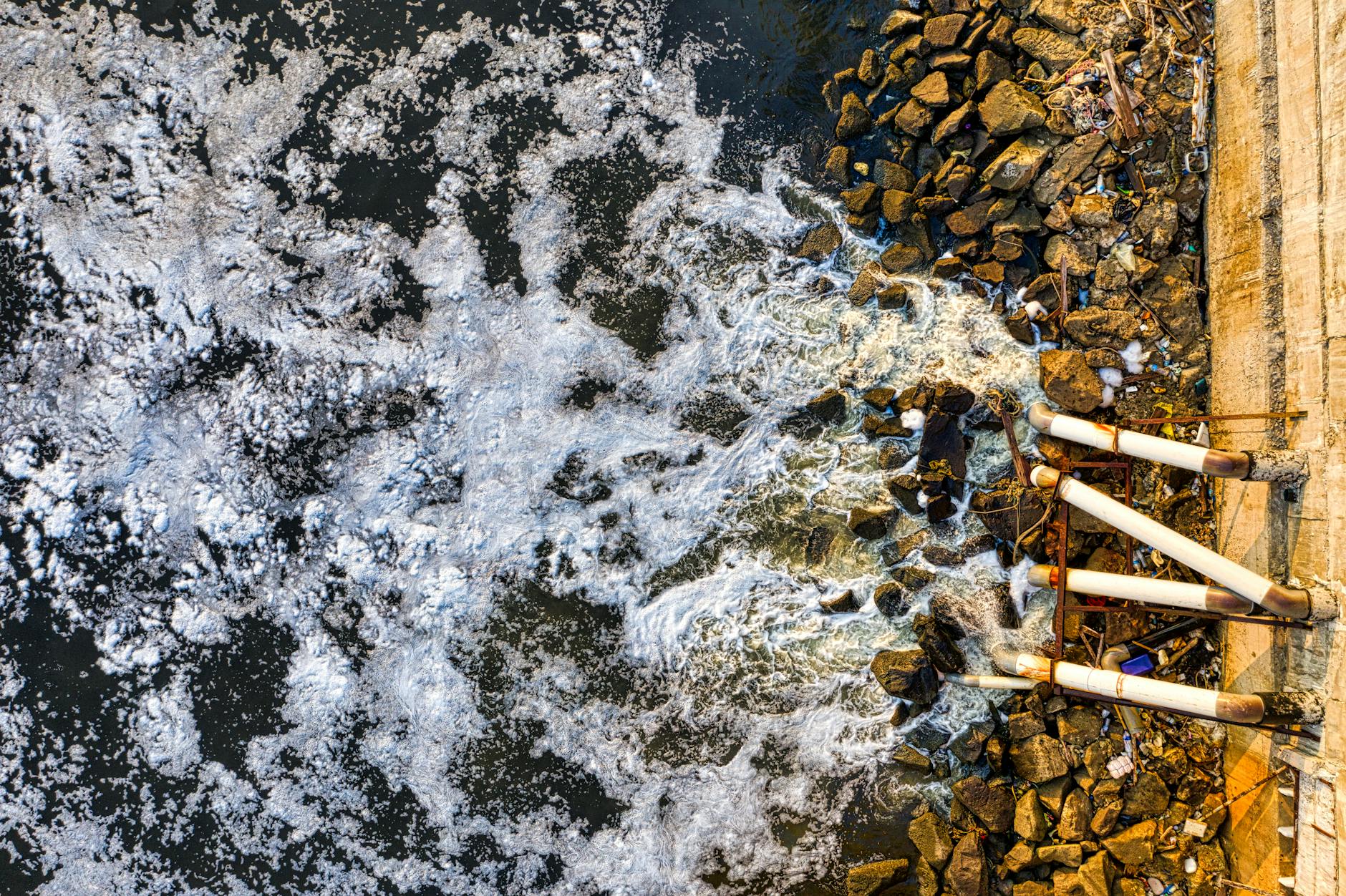
The small town of Princeton, Iowa, invested nearly $800,000 in a new community well and water tower, hoping to secure a reliable water source for its future. However, less than two years after completion, the well was shut down because it pumps water contaminated with unsafe levels of nitrates. This significant financial loss highlights a growing environmental crisis: the persistent challenge of nitrate pollution in Iowa's critical drinking water sources, impacting public health and forcing communities to seek urgent, costly solutions to provide clean water.
Princeton's journey to secure a backup water supply has been fraught with challenges. After their previous auxiliary well was closed in 2009 due to high nitrate levels, the town spent years without a secondary source. The new well, completed in late 2022, initially suffered from pump issues, leading to costly water main breaks. Once those were resolved, a more familiar and troubling problem emerged: nitrate contamination exceeding the Environmental Protection Agency’s safety limit of 10 milligrams per liter, making the water unsafe, particularly for infants and pregnant mothers.
Despite efforts to mitigate the issue, like leasing farmland around the wellhead to prevent fertilizer application, nitrate levels have barely budged. This suggests the problem extends far beyond a local patch of land. Geologists indicate that the Silurian aquifer, which provides water to Princeton and much of Eastern Iowa, is widely affected by nitrates, a chemical footprint often linked to industrial agriculture. This complex challenge means identifying the source of contamination and finding a fix is incredibly difficult.
Princeton's primary well, while currently safe, has shown rising nitrate levels, signaling a broader, underlying issue. Solutions like reverse osmosis systems are prohibitively expensive for a small town, potentially costing over a million dollars. City officials are now hoping the contamination stems from a crack in the well's casing, a repairable issue that would still require significant funding through grants or loans. If no crack is found, the problem could lie in the aquifer's natural fractures or distant sources like the Wapsipinicon River, where sand deposits offer poor natural filtration.
The situation in Princeton is not isolated. Nitrate contamination is the leading cause of health-based violations for public water supplies in Iowa, according to a recent state report Iowa DNR report. This raises serious questions about the sustainability of current agricultural practices and their long-term impact on drinking water. Many small municipalities across Iowa are facing similar struggles, underscoring the urgent need for comprehensive environmental action to protect shared water resources.