Iran's First Autumn Rain Falls—But Will It Save Tehran?

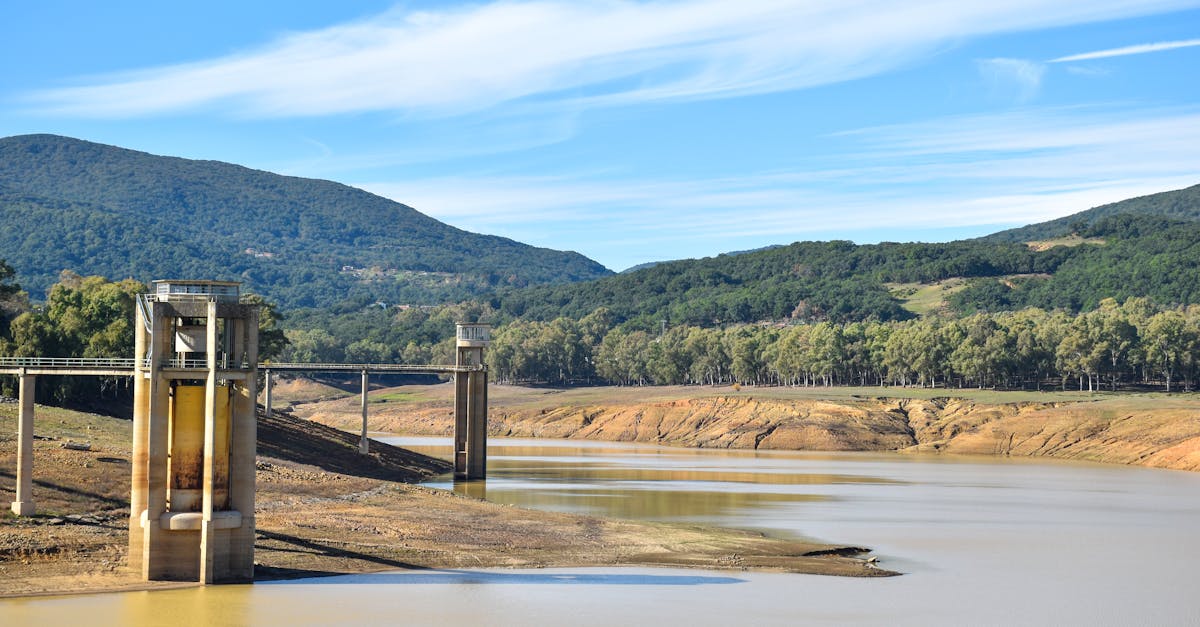
For the first time in months, rain finally fell in Iran's capital Tehran, offering a glimmer of hope amid the country's driest autumn in over 50 years. Yet, with reservoirs critically low and dams like Latyan under 10% capacity, experts warn this brief shower isn't nearly enough to avert crisis. President Masoud Pezeshkian has even floated moving the government out of Tehran by year's end if more rain doesn't come. Climate change, fueled by fossil fuel emissions, is making these droughts far more frequent—now every 10 years instead of every 50-100—piling pressure on water-stressed agriculture and urban centers. Urgent global action to curb warming is crucial to prevent such escalating disasters.
Iran's drought has pushed the nation to the brink. Precipitation this fall sits at just 5% of normal, leaving snowpack low and reservoirs drying up. Tehran, home to 10 million, sees water outages and billboards begging people to skip watering gardens.
Agriculture guzzles 90% of the water, growing thirsty crops on arid land despite the shortages. Past policies promised free water, leading to over-drilling and waste. Now, protests simmer as sanctions bite the economy.
Climate change amps up the pain. A warmer world means hotter summers—up to 122°F—and fiercer droughts across the region. Scientists at World Weather Attribution note these events will hit every decade unless we slash emissions fast.
Sustainable fixes like efficient farming and less waste are vital. Collective action on climate can recharge Iran's future and shield us all from water wars.