Is HVO100 as Green as Advertised?

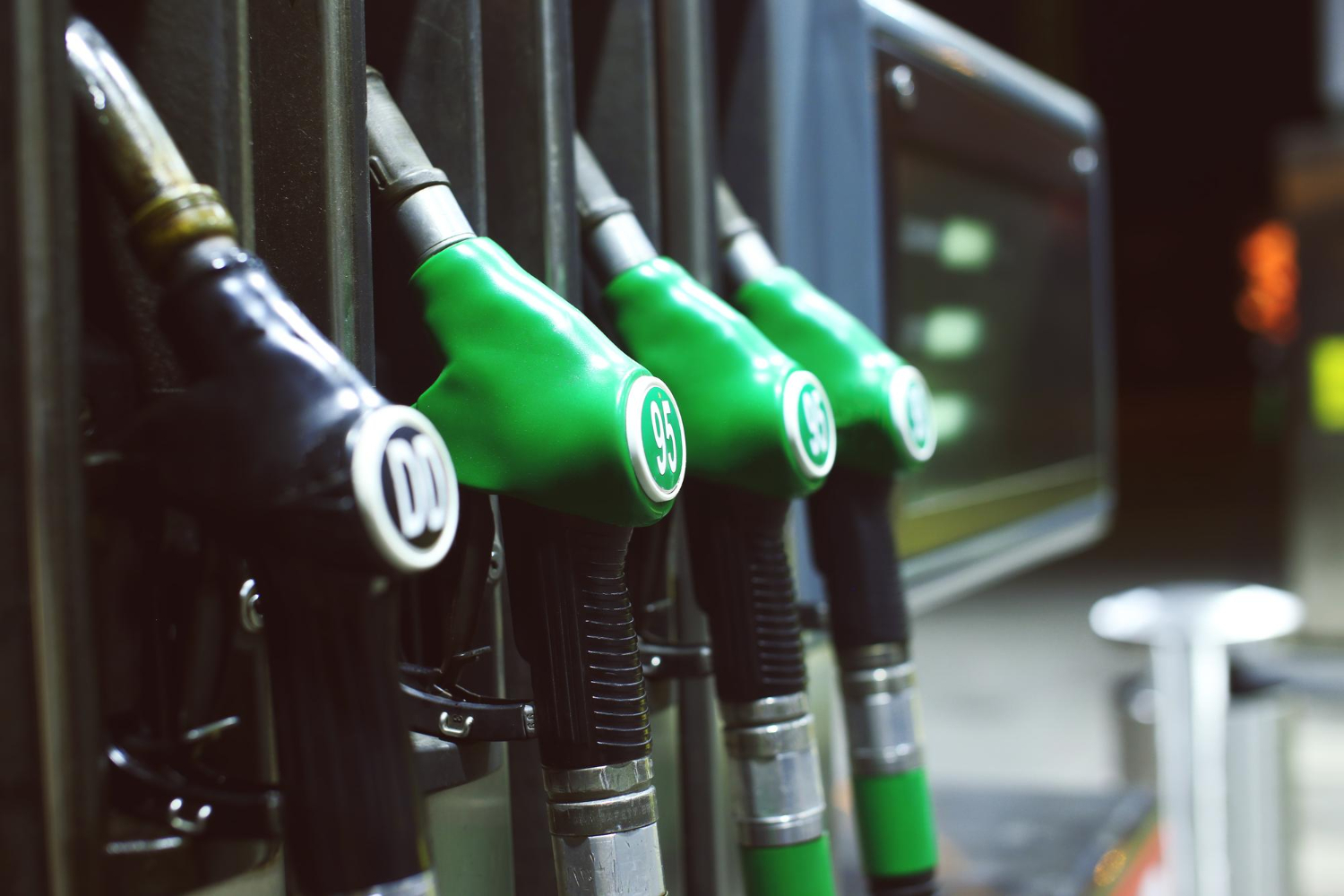
Europe’s push for HVO100 diesel leans heavily on used cooking oil (UCO), but new evidence shows demand now dwarfs sustainable supply and imports dominate the market. A new analysis finds Europe’s UCO appetite far exceeds what can be sustainably collected. In 2023, Europe burned close to seven million tonnes of UCO-based biofuels—around eight times what it actually collected domestically—driving a surge of shipments from China, Indonesia and Malaysia and sparking fraud suspicions and anti-dumping probes. With airlines and shipping joining the queue, cheap “waste” oil is scarce, costly to verify, and vulnerable to mislabeling with virgin palm, undermining climate claims. Add in the PFAD (palm fatty acid distillate) controversy—classified as a by-/co-product rather than a waste in the Nordics—and the climate math for HVO100 looks shaky when indirect land-use change and offshored emissions are counted. Europe’s own investigators and auditors have started to push back.
HVO100 is marketed as a planet-friendly diesel because it can be made from waste oils like used cooking oil. But Europe already burns far more “used” oil than it collects at home. In 2023, consumption of UCO biofuels was close to seven million tonnes—about eight times higher than European collection and four times the continent’s estimated maximum potential. That gap is filled by imports, mainly from China and, increasingly, Indonesia and Malaysia. As demand has exploded, especially with airlines chasing sustainable aviation fuel quotas, the risk that virgin vegetable oils are relabeled as “waste” has grown, turning UCO into a potential backdoor for palm oil.
Traders and watchdogs have flagged glaring inconsistencies between some countries’ UCO “collection” and export volumes. Malaysia, for example, has exported several times more UCO than it officially collects—an almost certain sign of mislabeling or blending. China’s redirecting of flows under U.S. incentives, and the oversupply of “waste-based” biodiesel landing in Europe, pushed Brussels to open an anti-dumping investigation and, later, to impose duties on Chinese biodiesel. This isn’t a small skirmish over prices; it’s a warning that the foundation of HVO100’s green image—credible waste streams—may be too shaky to scale.
The accounting is another problem. Official greenhouse-gas calculations often credit UCO and similar feedstocks with very high savings at Europe’s fuel pumps, but the wider impacts can simply be shifted elsewhere. If “waste” oils are faked or if scarce UCO displaces edible oils in supply chains, palm or soy expansion can occur in producer countries, driving indirect land-use change emissions that Europe does not count in its road-fuel ledgers. EU-commissioned studies have long warned that these indirect effects are real, and scientists have criticized treating bioenergy as “zero emissions” at the tailpipe. For motorists filling HVO100, that means the climate benefit on paper can be exaggerated if the upstream reality is murky.
Then there’s PFAD—palm fatty acid distillate—an HVO feedstock that has sat in a gray zone. In Nordic practice, PFAD is treated as a by-/co-product from palm refining, not a “waste,” which means it does not deserve the same incentives as true residues. Campaigners and recent analyses stress that PFAD is tied to the same palm supply chains and deforestation risks as crude palm oil, so calling it a residue can understate emissions. When HVO100 depends on PFAD or ambiguous waste streams, the climate case weakens further.
Policy is starting to catch up. The European Commission opened an anti-dumping case in December 2023 and moved toward duties in August 2024; an Official Journal regulation details the procedure. Transport & Environment urges tighter verification, limits on counting imported UCO toward renewable targets, and shifting road transport toward direct electrification instead. For everyday drivers—and for fleets touting HVO100—the lesson is simple: the fuel’s green promise depends entirely on verifiable, genuinely residual inputs, and those inputs are limited. For most cars, batteries beat bio-diesel.