Isaias's Hidden Power Boost: Climate Change's Unseen Influence

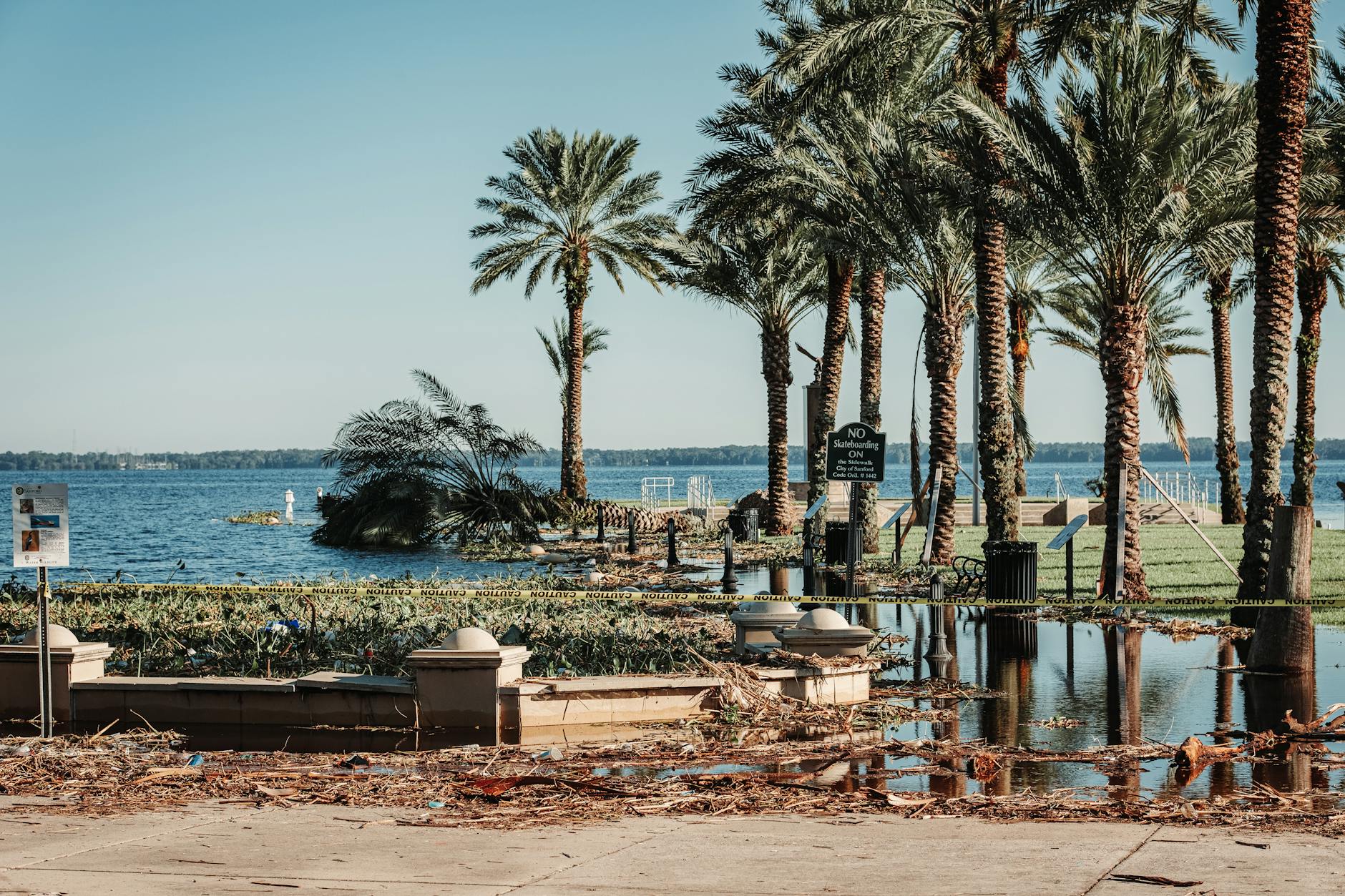
Hurricane Isaias brought damaging winds and floods to Florida's coast, knocking out power for hundreds of thousands and causing billions in damage. New research clearly shows that human-caused climate change played a significant role in worsening the hurricane's impacts. Warmer ocean waters, made much more likely by carbon pollution, strengthened Isaias and fueled a more destructive storm surge. This event underscores the urgent need for climate action to protect coastal communities from increasingly powerful weather events.
Hurricane Isaias made landfall as a Category 2 storm in Florida, quickly causing widespread power outages for over 900,000 customers and one fatality. The fast-moving hurricane left behind billions of dollars in damages, with a peak storm surge of nearly 5.6 feet recorded at Panama City Beach. These immediate impacts highlight the destructive power of such events.
However, scientists are now revealing a critical connection between Isaias's intensity and our changing climate. According to meteorologist and climate scientist Dr. Daniel Gilford of Climate Central, the first hurricane of this season clearly bears the "fingerprints of climate change" press release on Oct. 9, Climate Central. Warmer Gulf waters, a direct consequence of human-caused carbon pollution, significantly boosted the storm's power.
Research indicates that Isaias was about 7 mph stronger than it would have been without climate change. While 7 mph might not sound like a lot, it makes a huge difference. Hurricane damage doesn't increase simply; it grows exponentially with wind speed. A relatively small 5% increase in a hurricane's winds can lead to roughly a 50% increase in total damage NOAA’s damage multiplier table. This means even small climate impacts can have devastating financial and human costs.
The Gulf waters Isaias traveled through were unusually warm, several degrees Fahrenheit above average for early October, and made hundreds of times more likely by human activities. These super-heated oceans not only made the hurricane stronger but also allowed it to carry significantly more moisture, intensifying the risk of severe flooding across affected regions.
Adding to the problem, human-caused climate change has raised local sea levels by several inches since the early 1900s. This seemingly small rise allowed Isaias's storm surge to reach much higher inland, increasing its destructive potential. Coastal cities are often designed with specific flood thresholds, and just a few extra inches of water can push a storm surge over these critical limits, inundating large areas. For example, FEMA estimates that just one inch of water in a 2,500-square-foot home can cause $27,000 in damage FEMA. This principle was dramatically illustrated by Hurricane Sandy in 2012, where an estimated $8.1 billion of its total damage was attributed to climate-driven sea level rise 2021 paper. Understanding these links makes the urgency of addressing global warming and investing in sustainable solutions incredibly clear.