Isaias Weakens, But What Hidden Dangers Remain for Southeast?

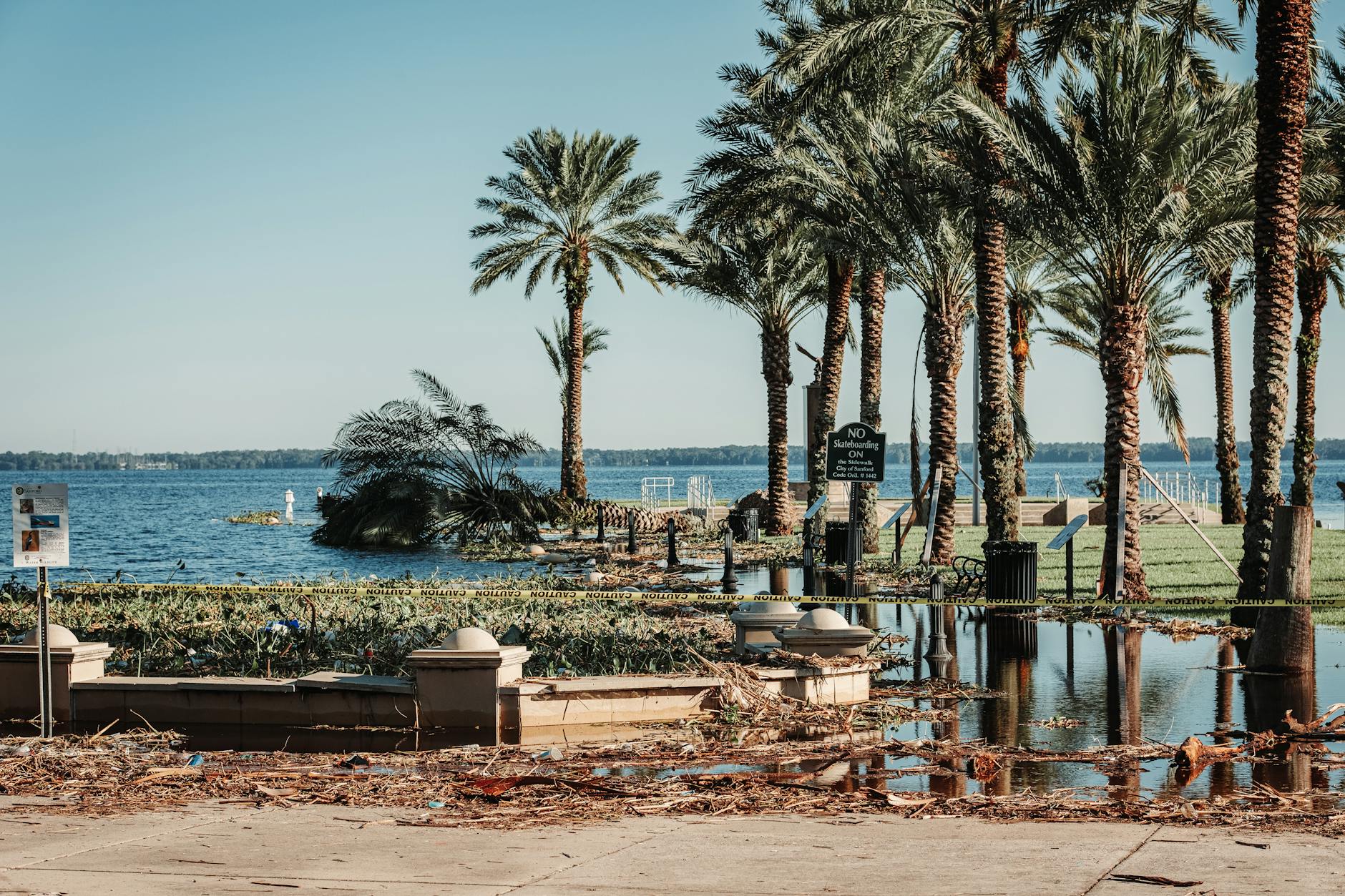
Post-tropical cyclone Isaias has weakened considerably, but it left a path of significant damage, widespread power outages, and at least one fatality in Florida. The storm, which made landfall near Destin, Florida, brought down power lines, damaged rooftops, and flooded roadways across the Gulf Coast. Even as it moves inland, forecasters are warning communities in Alabama and the Florida Panhandle to remain vigilant for continued flash flooding and potential tornadoes. These powerful and unpredictable weather events underscore the urgent need for robust climate preparedness and sustainable solutions.
Though Isaias is no longer a hurricane, its destructive wake is still being felt across the Southeast. One person tragically died in Escambia County, Florida, after a tree fell on their home, highlighting the storm's serious impact.
From Destin's flooded roads to Pensacola's debris-strewn streets and a damaged airport, communities are grappling with the aftermath. Gas stations in East Milton and Destin suffered significant damage, and parts of a Panama City condominium were ripped apart. In Alabama, Mobile reported downed trees and power lines, with similar closures in Houston County.
Nearly 900,000 customers across Florida, Alabama, and Georgia were plunged into darkness early Saturday, according to poweroutage.com. Power loss, combined with widespread flooding that can persist for days after the storm has passed, poses significant challenges for recovery efforts.
This event serves as a stark reminder of the escalating intensity of weather patterns. As our climate changes, preparing for and adapting to more powerful storms is critical. Investing in resilient infrastructure and embracing sustainable practices are essential steps to protect lives and communities from the growing threats of extreme weather.