Italy's warming climate sparks concern: What's spreading now?

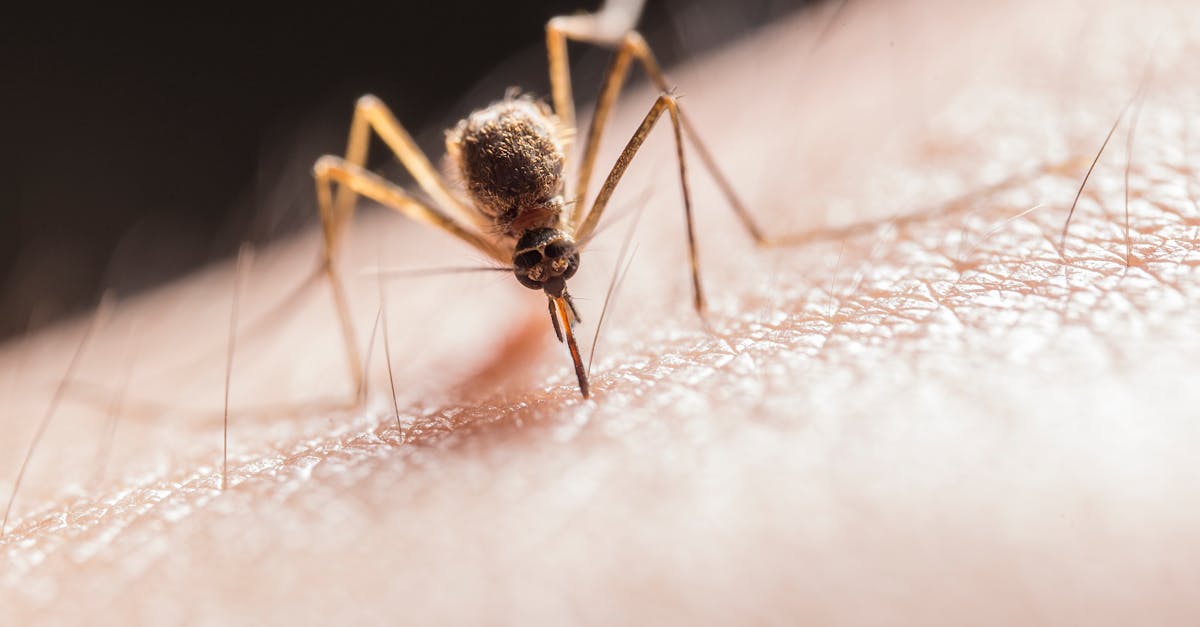
Italy is seeing a concerning rise in West Nile virus cases, with over 650 infections reported this year, making up half of Europe's total. This increase is largely attributed to rising temperatures and longer warm seasons, which create ideal conditions for mosquitoes to reproduce and spread the virus over wider areas and for more months. Experts are highlighting the urgent connection between a warming climate and the expansion of mosquito-borne diseases, signaling a critical public health challenge across Europe. This situation underscores the direct impacts of global warming on human health and the environment.
Italian health officials are observing a clear link between hotter weather and the spread of West Nile virus. Rising temperatures and extended warm periods help mosquitoes thrive, allowing them to reproduce more rapidly and prolonging the time they can transmit the virus to people. This has made West Nile an ongoing concern in Italy since 2020, with cases now appearing every summer and early fall.
While most people infected experience mild or no symptoms, a small number, especially older adults or those with existing health issues, can develop severe neurological problems. The virus is now being reported in areas of Italy that were once largely unaffected, showing a gradual expansion across the country. This trend has even caught the attention of neighboring European nations, such as Belgium and the Netherlands, which are also beginning to see locally acquired cases.
Experts from organizations like the World Health Organization emphasize that a warming climate extends the mosquito season, allowing these disease carriers and the virus itself to survive longer. This means more opportunities for transmission. Beyond temperature, factors like the loss of natural habitats and changes in how land is used also contribute to increased virus activity.
The European Center for Disease Prevention and Control (ECDC) warns that Europe's warming trend, marked by more frequent heatwaves and floods, creates perfect conditions for invasive mosquito species. For instance, the *Aedes albopictus* mosquito, capable of spreading various diseases, has dramatically expanded its presence across Europe in the last decade. Addressing climate change and promoting sustainable environmental practices are crucial steps to limit the spread of such diseases and protect public health.