JAL's Flight to Net-Zero: A Key Strategy Unveiled [2050]

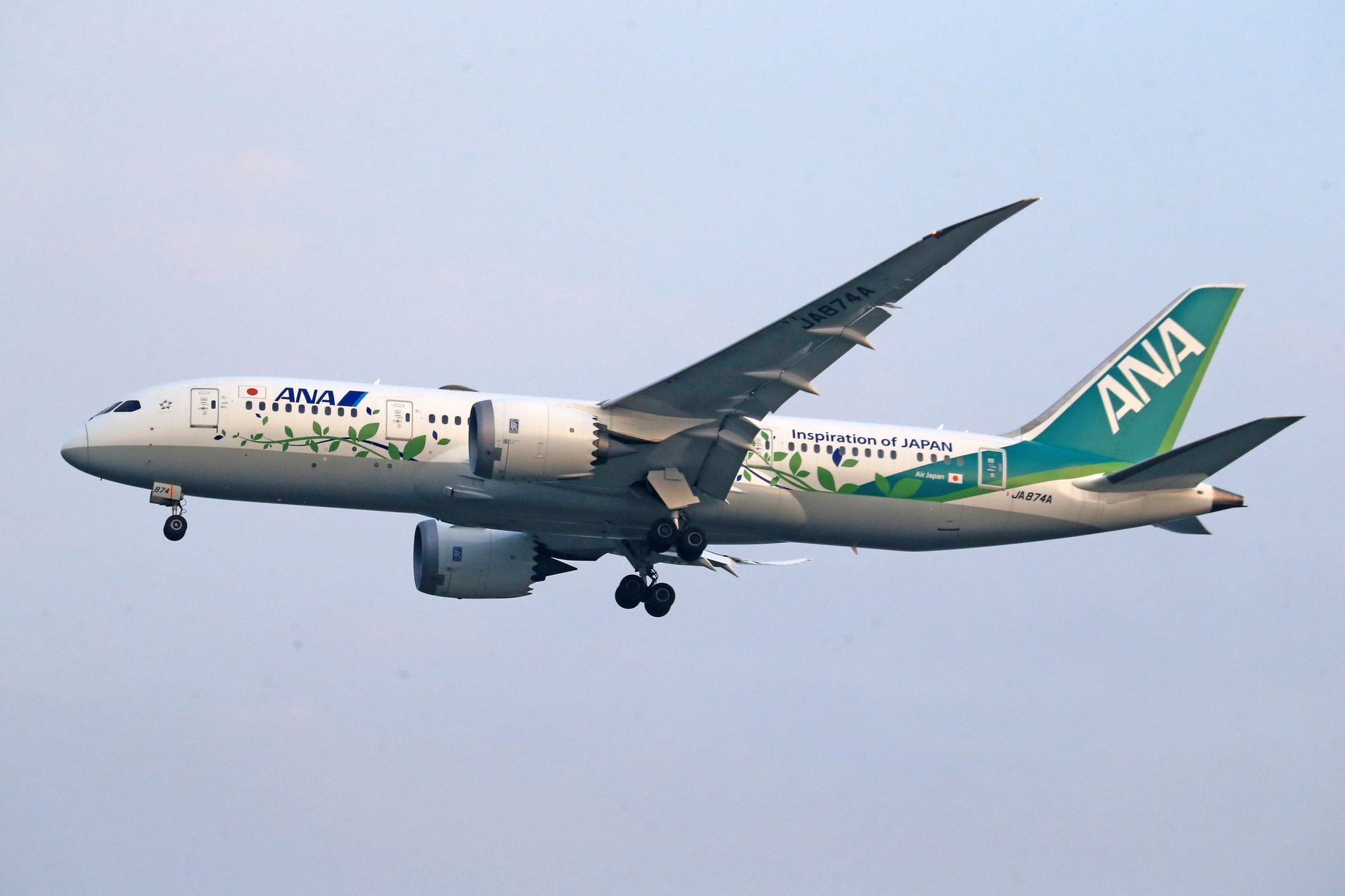
Japan Airlines (JAL) is taking significant steps to reach its ambitious net-zero CO₂ emissions goal by 2050. The airline reported a notable reduction in aircraft emissions to 9.13 million metric tons in FY2025, surpassing its own target. Rather than solely relying on carbon offsets, JAL is implementing a multi-pronged approach that prioritizes fuel-efficient aircraft, operational improvements, and the increasing use of sustainable aviation fuel (SAF). This comprehensive strategy highlights the urgent need for aviation to drastically cut its environmental footprint and move towards cleaner travel options, demonstrating a clear commitment to tackling the climate crisis head-on.
Japan Airlines (JAL) is making significant strides toward its ambitious goal of achieving net-zero CO₂ emissions by 2050, a crucial commitment for the aviation sector's environmental future. The airline successfully cut its aircraft emissions to 9.13 million metric tons in fiscal year 2025, even surpassing its own reduction target, as detailed in JAL’s emissions profile. This progress underscores the urgent need for all industries to prioritize climate action and transition towards cleaner, more sustainable operations.
JAL's strategy is comprehensive, focusing first on direct emission reductions. This means investing in more fuel-efficient aircraft and constantly improving how flights operate. A core part of their immediate plan involves significantly increasing the use of sustainable aviation fuel (SAF), a cleaner alternative that drastically reduces carbon output compared to traditional jet fuel. They've already met their 1% SAF target for 2025 and are aiming for at least 10% by 2030, demonstrating a clear commitment to greener air travel. However, scaling SAF production globally remains a key challenge that requires ongoing innovation and investment.
Recognizing that some emissions are exceptionally difficult to eliminate, especially for long-haul flights, JAL anticipates about 10% of emissions might remain by 2050. For these unavoidable emissions, high-quality carbon credits and advanced carbon removal technologies play a vital complementary role. JAL has established strict rules for selecting credits, outlined in their JAL Group Carbon Credit Utilization Regulations, ensuring they genuinely contribute to climate solutions.
They utilize international frameworks like CORSIA, designed to manage emissions from global flights, and Japan’s own J-Credit system, which supports local environmental projects like forest conservation. This dual approach helps address emissions while also fostering regional economic activity and allowing passengers to participate in offsetting their flights. A notable partnership with Climeworks for direct air capture (DAC) further strengthens JAL's long-term strategy, offering a cutting-edge solution to permanently remove CO₂ from the atmosphere.
JAL’s balanced strategy sets an important precedent for the aviation industry. It highlights that achieving net-zero means a dedicated effort to cut emissions at the source first, then responsibly employing carbon markets and innovative removal technologies for what remains. This layered and accountable approach is essential for mitigating global warming and ensuring a sustainable future for air travel and our planet.