Just 8 Years Later: What’s Rekindling Malibu’s Scars?

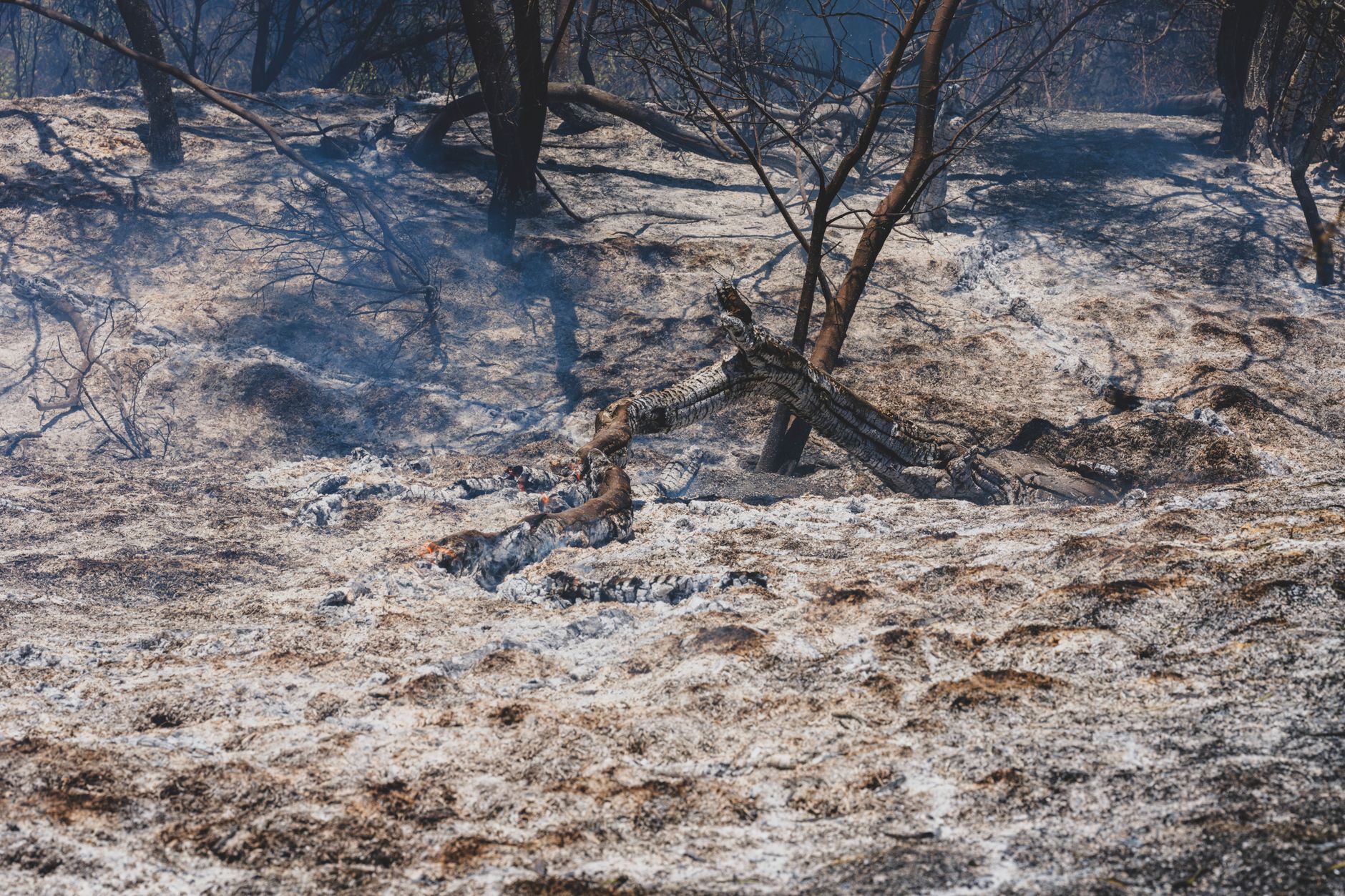
A new wildfire, the Bryson fire, has erupted in the Santa Monica Mountains, alarming residents as it ignited in the same area that burned just eight years ago during the devastating Woolsey fire. This rapid return of fire highlights a growing concern for communities and the environment. While some native plants are adapted to fire, the increasing frequency of blazes is pushing ecosystems to their breaking point, jeopardizing their long-term health and accelerating the urgency for climate action.
The rugged hills near Malibu, recently scorched by the Bryson fire, offer a painful reminder of how quickly communities find themselves vulnerable again. This area last burned during the 2018 Woolsey fire, which caused widespread destruction and loss of life. While native chaparral species are resilient, designed to regrow and even thrive after fire, these plants are not built for constant blazes. Normally, these ecosystems need 30 to 130 years to fully recover and replenish their seed banks underground.
However, some coastal areas in the Santa Monica Mountains now experience fires, on average, every eight years, far shorter than the natural recovery cycle. For the region where the Bryson fire started, the natural interval is typically 20 to 30 years, making the current eight-year gap exceptionally short.
This increasingly frequent fire cycle, often fueled by human activity, prevents native plants like Island manzanita and chamise from fully maturing and rebuilding their essential seed reserves. After repeated fires, their numbers dwindle, replaced by fast-growing invasive grasses. These grasses dry out quickly and are highly flammable, creating a dangerous cycle where fires ignite more easily and spread rapidly.
This shift, known as "type conversion" as explained by experts, transforms resilient native landscapes into even more fire-prone environments. The urgency of this situation underscores why protecting our natural spaces and addressing the root causes of climate change, which contribute to these conditions, is more critical than ever.