Just Half a Degree: Why Earth's Future Hangs in the Balance

The global goal to limit climate warming to 1.5 degrees Celsius is now virtually out of reach, with average temperatures already close to this threshold due to unchecked fossil fuel emissions. A recent United Nations study indicates the best-case scenario is now 1.7 or 1.8 degrees Celsius, potentially rising to 2.8 degrees Celsius by century's end. This seemingly small difference carries catastrophic implications, dramatically increasing the risks of extreme weather events and threatening the collapse of vital ecosystems worldwide. Every fraction of a degree warming means greater harm to our planet.
The urgent challenge of climate change is underscored by the difference between a 1.5-degree and a 2-degree Celsius increase in global temperature, a seemingly small gap that translates into drastically different futures for Earth. Scientists emphasize that every fraction of a degree matters, profoundly impacting our planet's health and habitability.
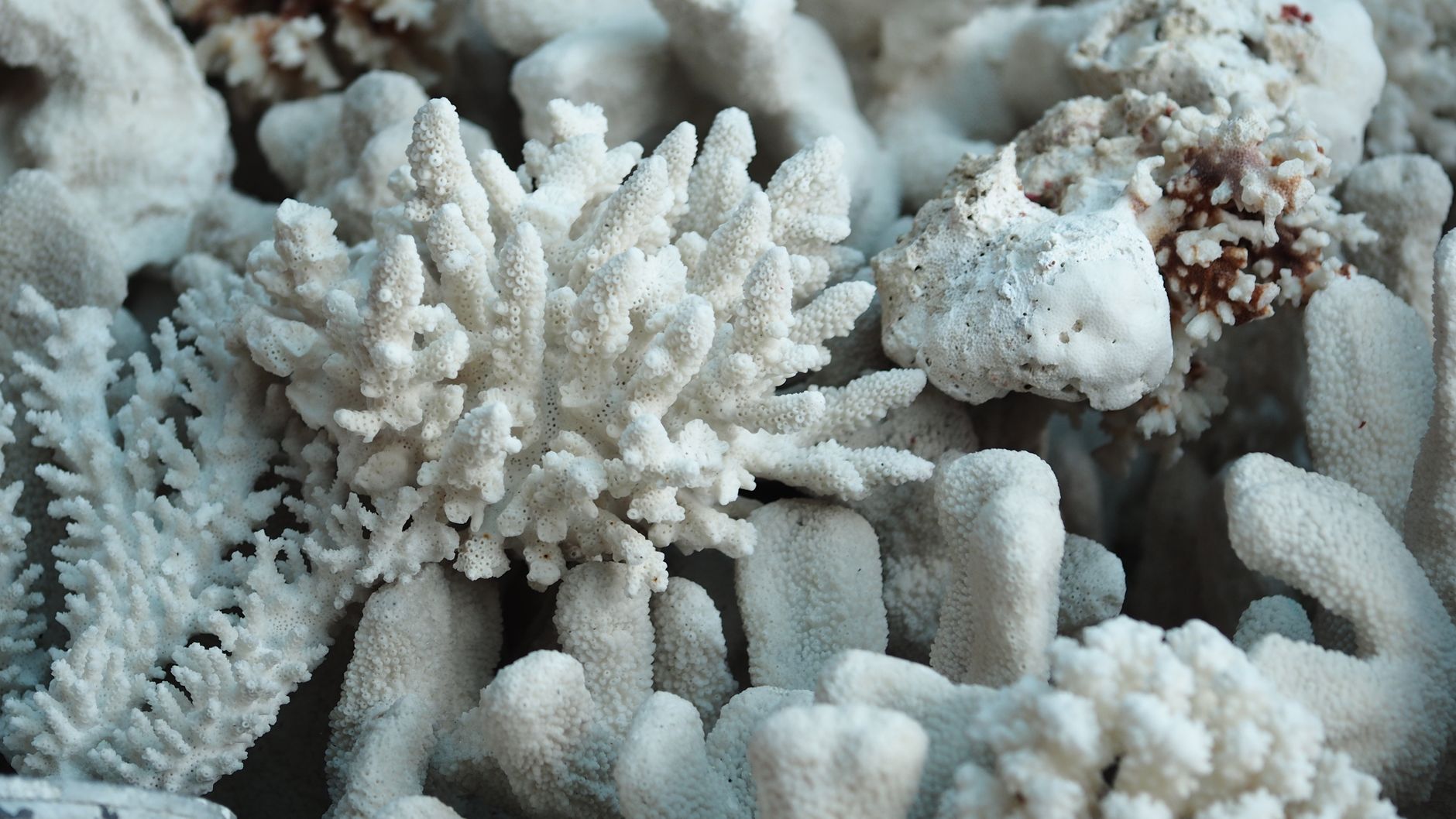
One of the most immediate casualties of rising temperatures are coral reefs, which support hundreds of millions of people and are biodiversity hotspots. These fragile ecosystems are highly vulnerable to heat, leading to widespread bleaching events. Researchers found that 44% of coral species are already at risk of extinction, and beyond 2 degrees of warming, an alarming 99% of corals could be lost. Local communities and conservation efforts are crucial to bolster reef resilience by reducing pollution and even breeding heat-tolerant corals, highlighting that every effort counts in this critical decade.
Beyond marine life, every tenth of a degree of warming exposes an additional 140 million people to dangerous levels of heat. Extreme heat waves are already claiming thousands of lives and are often undercounted, posing a severe threat, especially to vulnerable populations.
The planet also faces more intense storms. Warmer air holds more water, leading to heavier rainfall and increased flooding risks. Furthermore, higher warming levels increase the likelihood of reaching dangerous "tipping points," such as the collapse of Antarctic glaciers, which would significantly raise global sea levels. We must fight for every fraction of a degree we can stave off, reducing risks and protecting our collective future.
At ongoing climate negotiations, discussions are shifting towards accelerating electrification, moving away from fossil fuels in homes and transportation. This transition to cleaner energy, like solar and wind, offers a vital path to reduce emissions and progress towards a more sustainable future for everyone.