Just how small is the global carbon removal workforce?

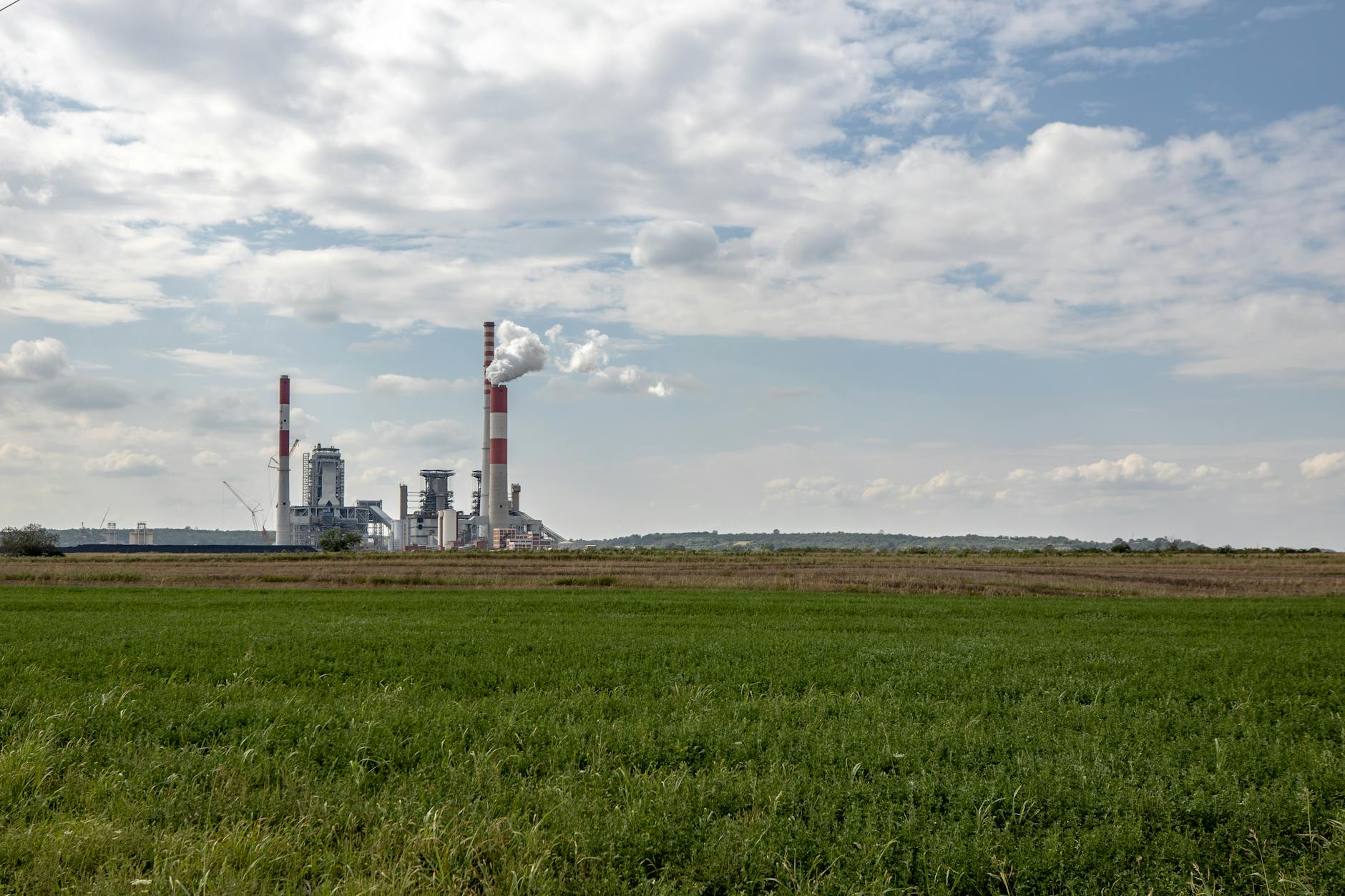
The global effort to remove carbon dioxide from our atmosphere is gaining momentum, yet its dedicated workforce remains surprisingly small. While tackling one of humanity's most urgent climate challenges, the entire pure-play carbon removal (CDR) sector globally employs roughly the same number of people as a single large hospital. This nascent stage presents both vulnerabilities and unparalleled opportunities for those looking to make a significant impact on our planet's future. It underscores the critical need for accelerated action and investment in sustainable solutions.
Imagine the entire global workforce dedicated solely to taking carbon out of the air fitting into a mid-sized university campus. That's the reality for the carbon dioxide removal (CDR) industry, which counts between 10,000 and 25,000 people worldwide in "pure-play" companies, according to Captain Drawdown, an AI assistant tracking the sector. To put this in perspective, the wind energy sector employs around 1.4 million people, and solar energy about 4 million. This stark contrast highlights just how young and underdeveloped this crucial climate solution still is.
Despite its size, some players are already having an outsized influence. For instance, tech giant Microsoft has emerged as the world's most significant CDR buyer. Its contracts co-finance an estimated 10% to 20% of the pure-play CDR workforce and accounted for 78.5% of all publicly disclosed durable CDR tonnes as of April 2026. This level of concentration means that a few key decisions can profoundly impact the entire industry, making it fragile but also agile.
This smallness is a double-edged sword. On one hand, the sector is vulnerable; a shift in policy or a major buyer pulling back could send ripples across the entire ecosystem. On the other hand, it means that early investors, scientists, and companies can still shape the very foundation of what will become a vital pillar in our fight against climate change. This unique opportunity allows concentrated capital and focused innovation to build scalable solutions that simply aren't possible in more mature markets.
The good news is that carbon removal is no longer just a theory. With nearly a thousand people actively involved in specific initiatives, 806 kilotonnes of carbon already removed, and 55% of projects delivering certified results, the science is advancing. Companies are forming, and buyers are making real investments. This is a critical moment for global warming, and tangible progress in carbon removal offers a pathway to a more sustainable future.