Kazakhstan Reveals Millions of Hectares for Climate Fight: What's Next?

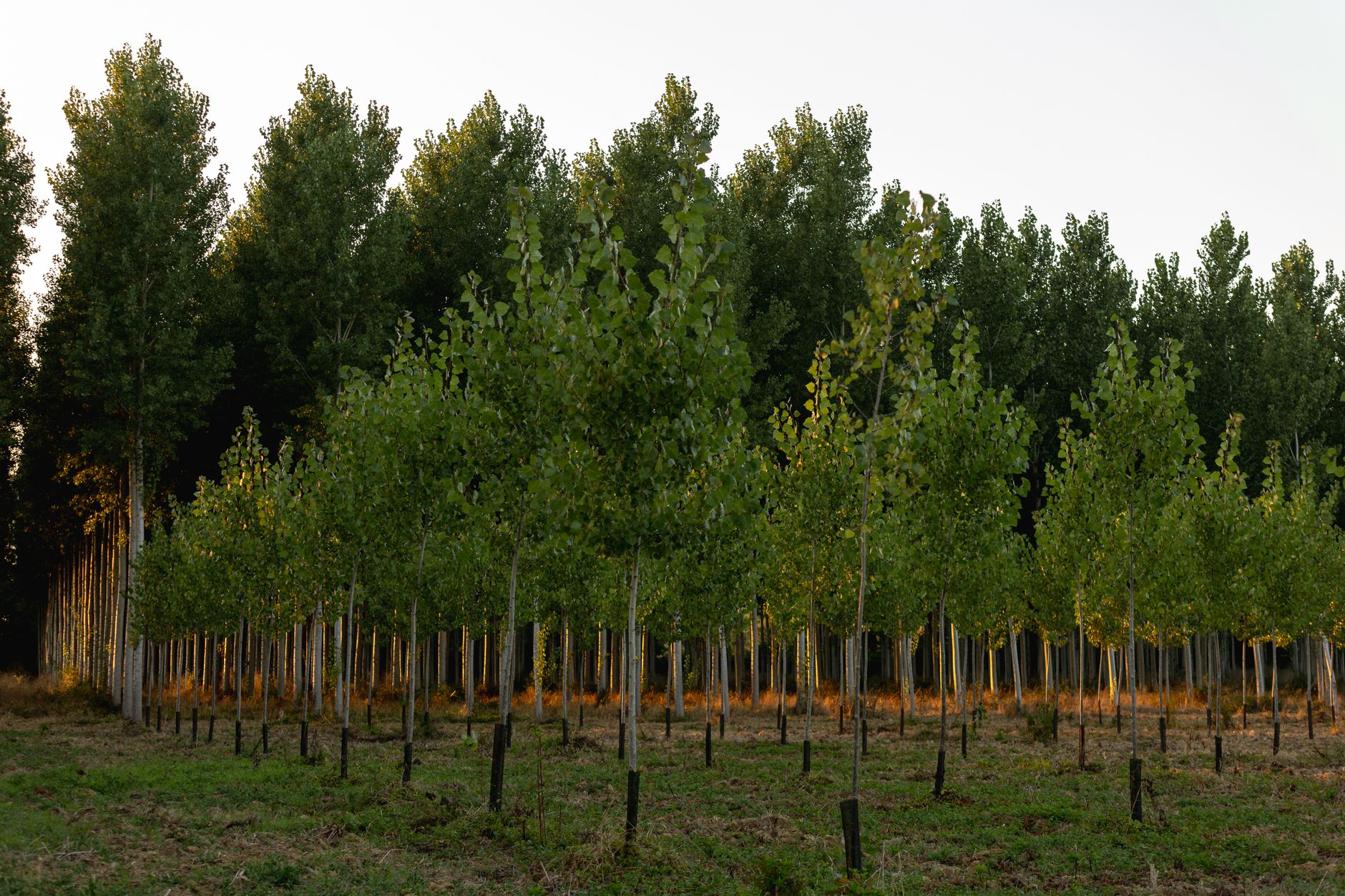
Kazakhstan is making a significant move in the global fight against climate change, opening 5.2 million hectares of land for new carbon projects. This vast area, part of its state forest fund, could help the country attract crucial climate investment. By developing projects that reduce emissions and absorb carbon, Kazakhstan aims to create carbon credits for both its domestic market and international trade. This initiative is a vital step towards its ambitious goal of achieving carbon neutrality by 2060 and meeting its greenhouse gas reduction targets.
Kazakhstan has identified a massive 5.2 million hectares of non-forested land with the potential for carbon-reducing projects. This is a big step for the nation, which plans to use these lands for things like planting more trees, improving farming methods, and boosting energy efficiency. The goal is not just to cut down pollution but also to restore damaged land and create greener spaces, helping farmers get involved in the growing carbon market.
To make this happen, Kazakhstan is updating its carbon market rules, especially those tied to Article 6 of the Paris Agreement. These new rules, which started on August 10, 2026, make it clearer how carbon projects will be approved, monitored, and how their emissions reductions or removals can be traded with other countries. This system is crucial because it helps prevent double-counting of climate efforts and opens doors for international buyers.
Working with Article 6 means Kazakhstan can attract more international money and support for its climate goals. The country has set a target to cut its net greenhouse gas emissions by 17% from 1990 levels by 2035, with a possibility of a 25% cut if it gets more global help. Aiming for carbon neutrality by 2060, these carbon projects are key, though they must be supported by bigger changes in energy and industry.
Kazakhstan isn't new to this; it's had its own Emissions Trading System (ETS) since 2013, covering major polluters. The government is working to make this system even stronger, proposing higher annual emission reduction rates and planning an auction system for carbon allowances. With support from organizations like the World Bank, these changes are setting Kazakhstan up to play a bigger role in the global carbon market.
These efforts are especially important for Kazakh companies that export goods, as they face new rules like the European Union’s Carbon Border Adjustment Mechanism (CBAM). A strong local carbon market helps these businesses accurately measure their emissions and prepare for future carbon costs, making them more competitive. Ultimately, while having plenty of land is a great start, the true success of Kazakhstan’s plan will depend on clear rules, good monitoring, and proof that its carbon projects deliver real, measurable environmental benefits.