Kenyan E-Bike Demand Soars: What's Driving the Surge?

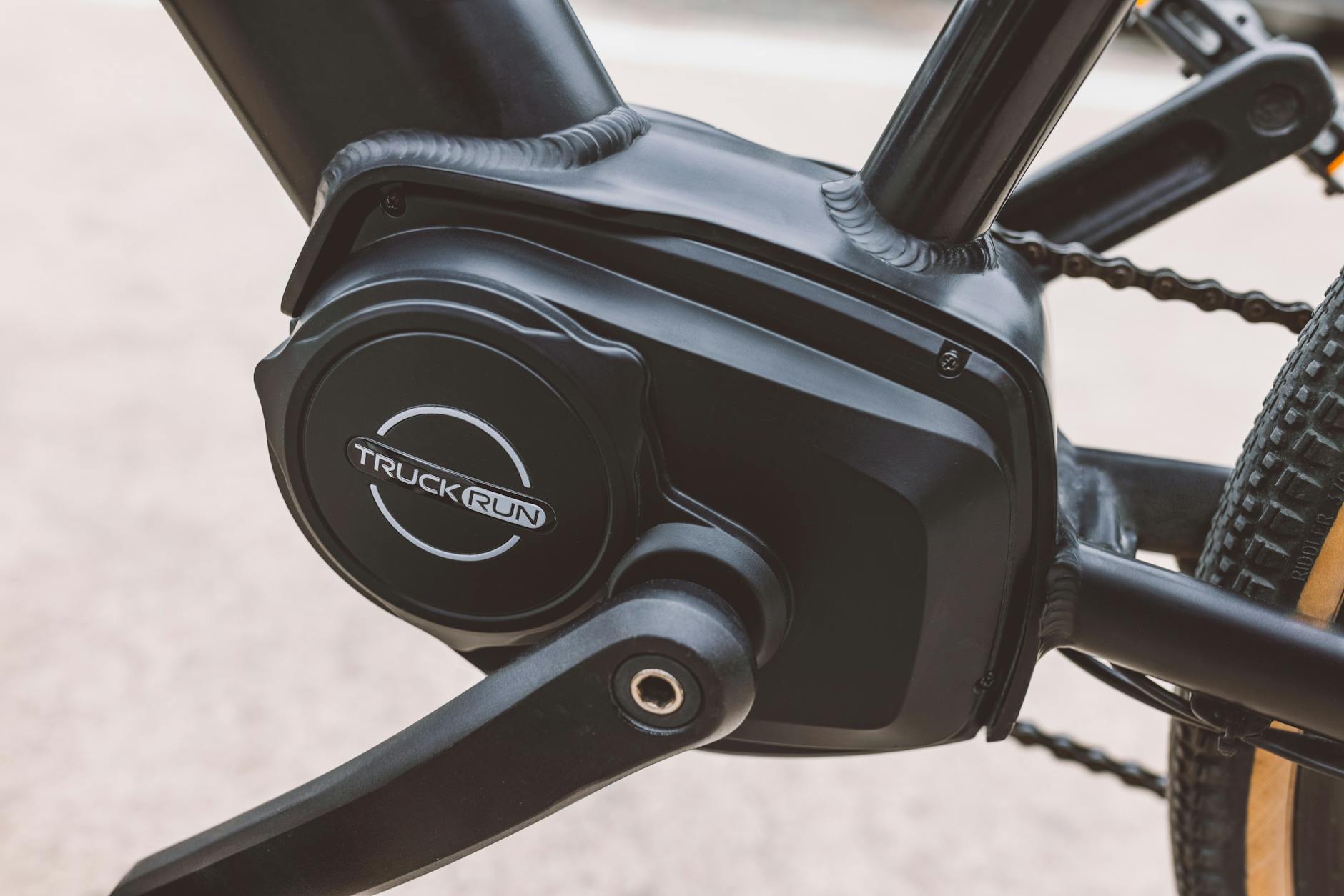
Kenyan e-motorcycle manufacturer Roam Electric is experiencing a remarkable surge in demand, with orders doubling as consumers abandon gasoline-powered vehicles. This shift comes as fuel prices in Kenya have climbed significantly, driven by ongoing conflict in the Middle East. Responding to this overwhelming interest, Roam plans to drastically increase its monthly production of electric bikes, aiming for 1,000 units by year-end. This trend in East Africa highlights a crucial global movement towards cleaner, electric alternatives, underscoring the urgency for sustainable transportation solutions and a reduced reliance on fossil fuels.
The war in the Middle East has sent shockwaves through global energy markets, causing gasoline prices in Kenya to jump 11% to about $5.75 per gallon in Nairobi. This dramatic increase has directly led to a doubling of demand for e-bikes from Roam Electric, prompting the company to accelerate its production targets. Country Manager Habib Lukaya noted that orders "went even crazier" when fuel prices briefly surpassed 200 Kenyan shillings per liter. Roam now aims to double its monthly output to 600 bikes and reach 1,000 units by the end of the year, a crucial step toward cleaner transport for many Kenyans.
This boom in Kenya mirrors a broader global trend where rising fossil fuel costs are pushing consumers towards electric solutions. In Southeast Asia, companies like BYD Co. are seeing increased sales, while electric rickshaws are selling out in Pakistan. Even cooking oil shortages in India are driving demand for electric stoves, and rooftop solar interest is surging from Germany to Nigeria. This rapid shift highlights an urgent need to transition away from polluting fossil fuels, not only for economic stability but also for environmental health.
For East Africa, where motorbike taxis, known as boda-bodas, are a primary mode of transport, the move to electric alternatives offers significant environmental benefits. Electric vehicles produce zero tailpipe emissions, leading to cleaner air in cities and reducing our carbon footprint. This transition helps combat global warming and builds a more sustainable future, freeing communities from the unpredictable swings of the global oil market. Embracing electrification now is not just a response to a crisis; it's a vital step towards a healthier planet and more resilient economies.