KFC's Chicken Claims: What You Aren't Being Told

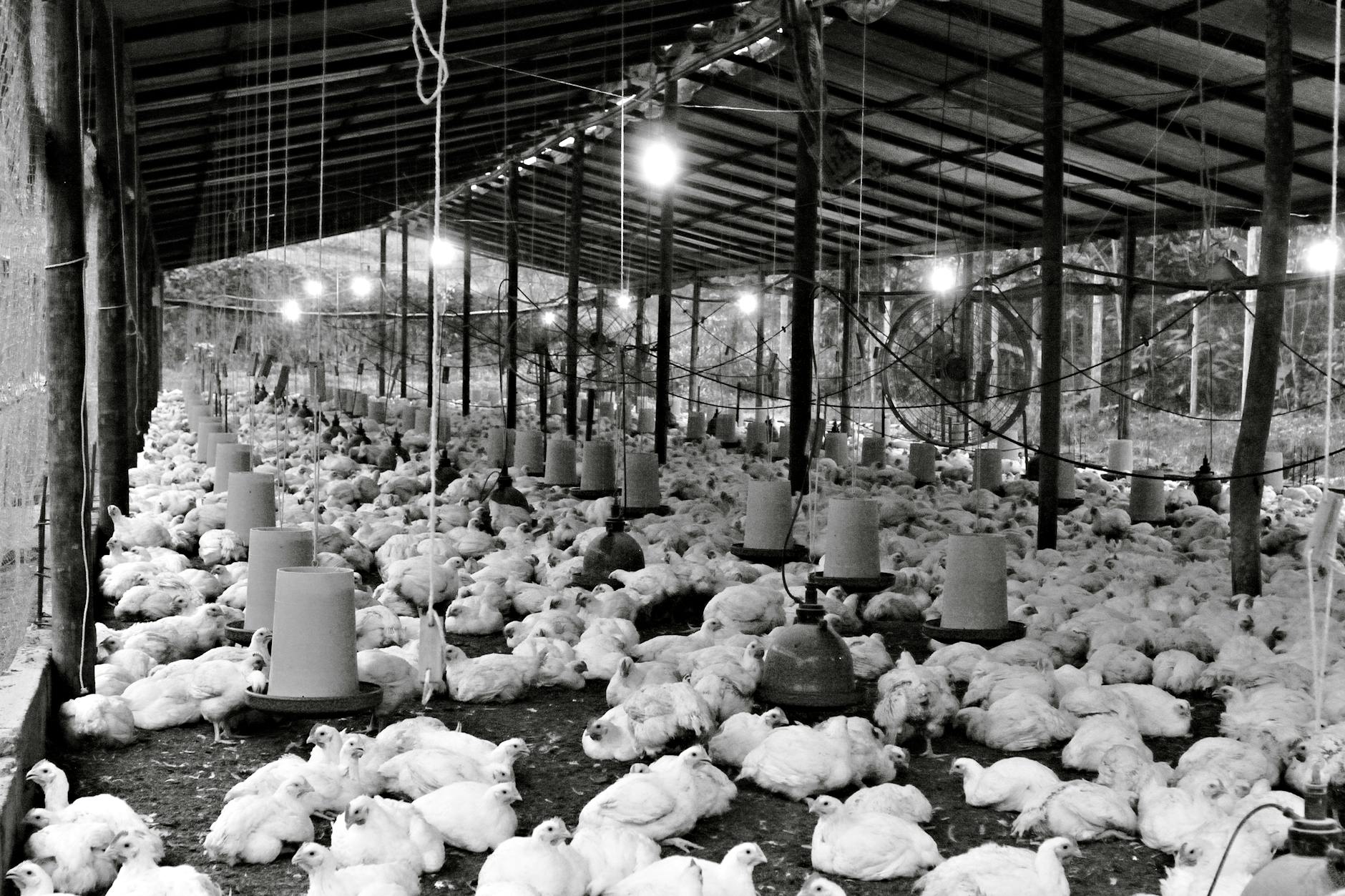
A new report reveals a significant gap between public expectations and the reality of animal welfare in UK food chains, particularly concerning KFC's chicken sourcing. Despite consumer preference for ethical and traceable food, a lack of clear labeling leaves many in the dark about how their meat is produced. While KFC highlights improvements in stocking density, critics argue this only addresses one small part of animal welfare, with little transparency on other crucial factors or imported chicken. This situation underscores an urgent need for mandatory labeling to empower consumers and drive meaningful change for animal welfare and sustainable food systems.
Recent findings from a biennial campaign show many UK consumers strongly prefer knowing where their food comes from and supporting ethical producers. However, the chicken and pig industries often resist clear labeling about how animals are reared, leaving consumers confused. Even the National Farmers’ Union opposed government proposals for such labels, citing potential confusion and farm strain, despite over 90 percent of UK chicken being from intensive systems.
Organizations like Compassion in World Farming are highlighting how current information can be misleading, as the public is often surprised by actual conditions on farms they believe to be high-welfare. This lack of transparency means people struggle to make choices that align with their values.
While KFC recently announced its British chicken provides roughly 20 percent more space than the industry average, focusing solely on stocking density misses the bigger picture. Key details like breed, growth rate, and environmental conditions are often left out, especially for imported chicken, making it hard to assess true welfare standards. This limited information applies to only part of their supply chain.
We've seen how clear labeling works with eggs, which led to 80% cage-free production in the UK. Yet, there’s no similar legal requirement for meat and dairy, leaving a patchwork of confusing voluntary labels. This represents a missed opportunity for progress.
The UK government has pledged generational reform in animal welfare and hinted at using method-of-production labeling to achieve this. Now, that commitment must become a reality. Mandatory labeling, showing both method of production and country of origin across all retail and food services, including imports, would empower consumers to choose ethically. It would also support farmers who invest in higher standards, preventing them from being undercut by less ethical practices.
Ultimately, the health of people, the planet, and farmed animals should take priority over company profits. With over 99 percent public support for mandatory method-of-production labeling, it's clear the government needs to listen and act now for a more sustainable and humane food system.