Kidnapped and Tortured: Why One Man Refuses to Abandon Iraq’s Marshes

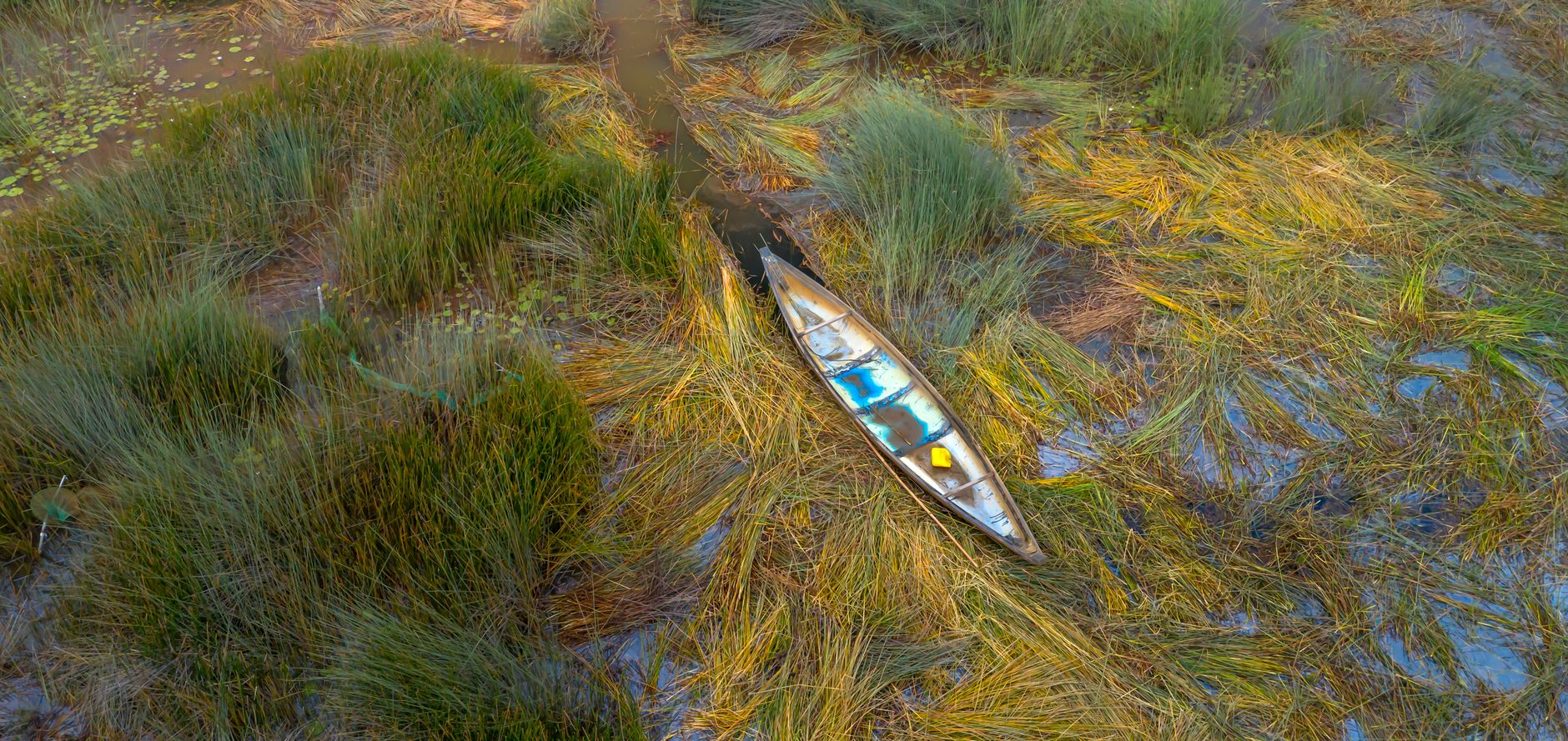
Jassim al-Asadi, a leading Iraqi environmentalist, continues his tireless work protecting the historic Mesopotamian Marshes despite facing kidnapping and torture by an Iran-backed militia. His profound dedication to this vital ecosystem, a UNESCO World Heritage site and home to an ancient way of life, remains unshaken. Al-Asadi’s efforts are crucial for restoring the wetlands, which have suffered from devastating droughts and political interference, highlighting the urgent need for environmental action and the resilience of those who champion it.
Jassim al-Asadi approaches every sighting of wildlife in Iraq’s marshes with the wonder of a child, even after decades of dedicated environmental work. For him, the sight of a white egret on a water buffalo or kingfishers flashing blue wings is a constant source of inspiration, fueling his mission to protect this unique landscape. Despite enduring a brutal kidnapping and torture by an Iran-backed militia, which accused him of espionage, Asadi is back on the water, monitoring levels and talking to locals.
His passion is critical for the Central Marshes, the Middle East's largest wetlands and a UNESCO World Heritage site known for its rich biodiversity and ancient human history. After five years of devastating drought, which dried out vast areas and left the remaining water brackish, the marshes are showing signs of recovery thanks to recent rains. Water buffalo, essential to the marsh economy, are thriving once more, and displaced families are slowly returning to their traditional floating islands, preserving a way of life that has existed for over 4,000 years.
Asadi, co-founder of the environmental organization Nature Iraq, has long been at the forefront of conservation efforts. He played a key role in the reflooding of the marshes after Saddam Hussein drained them in the 1990s. His efforts also led to the marshes' inclusion as a UNESCO world heritage site in 2016.
His ordeal in 2023, where he was beaten, suffocated, and subjected to electric shocks, aimed to break his spirit and force a confession of being an Israeli spy. Yet, he refused, choosing instead to write his will, expressing his love for Iraq and his wish for his children to follow his honorable path. His release came only after his powerful Bani Asad tribe mobilized armed fighters, showcasing the deep community ties that underpin his work.
Despite receiving asylum offers in Europe, Asadi chose to stay, sending two of his children to Sweden instead. He believes leaving would be a victory for those who oppose his mission. The accusations against Nature Iraq, including freezing bank accounts and the imprisonment of Iranian conservationists who collaborated on a Persian Leopard project, have created a chilling effect on activism across the region.
However, the younger generation, like 21-year-old volunteer Muntadher Abedali, remain committed, drawing strength from Asadi’s example. Abedali, who shares stories on platforms like Climate Stories, sees himself as a voice for the marsh residents, who often lack political power.
Nature Iraq continues to advocate for water policies, especially from upstream nations like Turkey whose dams impact flow. They’ve innovated with natural water cleaning ponds, a cost-effective solution for contaminated marsh water. While challenges persist, including pollution and the reduced diversity of fish, Asadi's unwavering passion serves as a powerful reminder of why environmental protection matters. His life is a testament to the profound sacrifices sometimes required to safeguard our planet’s precious ecosystems and the communities reliant on them.