Kids aren't just victims in disaster; their help surprises many.

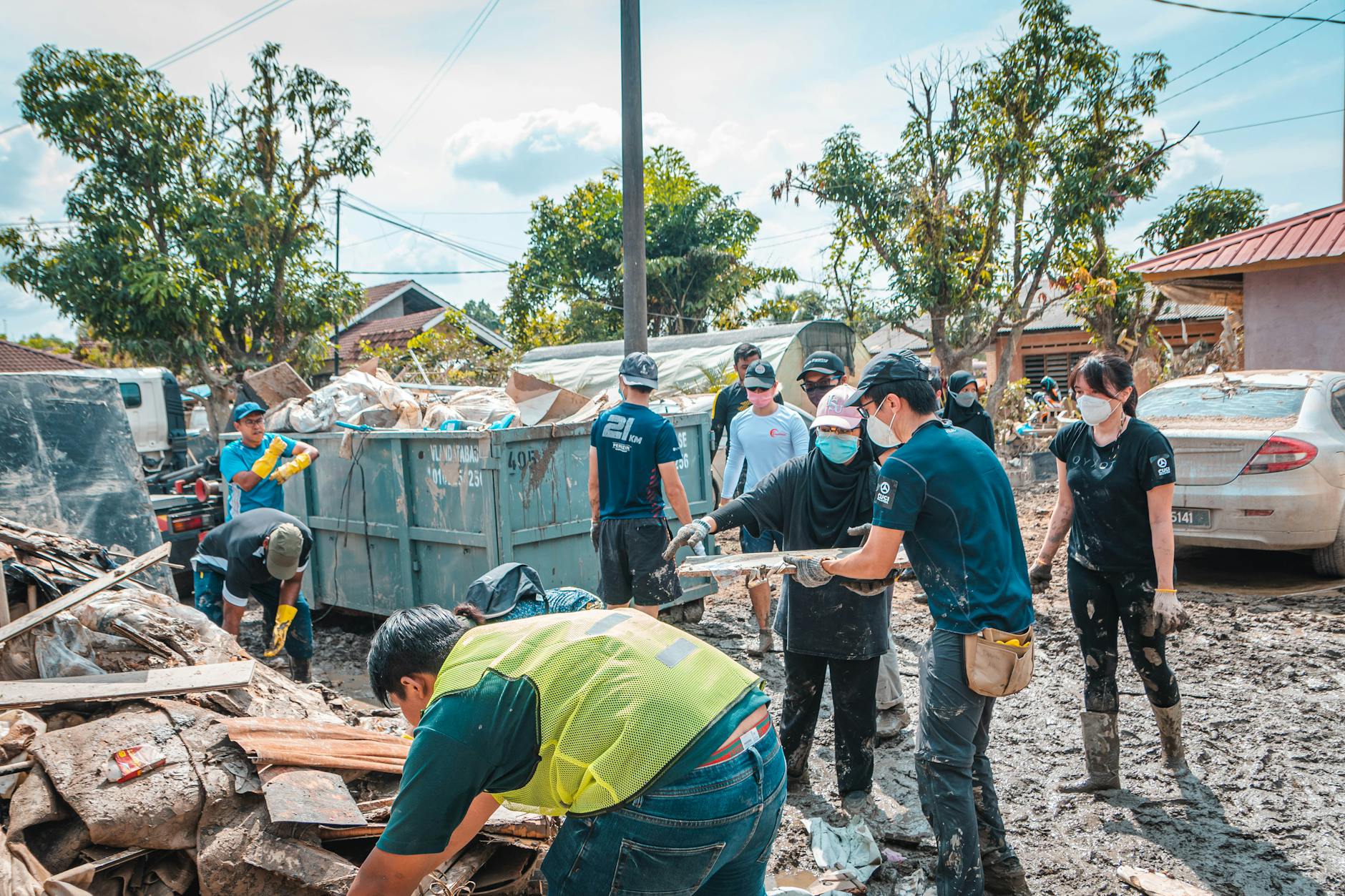
When disasters strike, children often seem like the most vulnerable. However, new insights from Lori Peek at the University of Colorado, Boulder, reveal that kids are far from passive victims. Instead, they often step up to actively assist their families and communities in recovery efforts. Their involvement, from helping in shelters to raising funds, not only aids recovery but also empowers them through difficult times, highlighting an important aspect of community resilience.
After major events like Hurricane Katrina, observations showed older children in shelters organizing activities and even babysitting, freeing adults to seek aid. As communities began rebuilding, some teens found jobs to support their families financially, while others helped clear damaged homes. This hands-on involvement isn't limited to those directly affected.
Children located outside disaster zones also contribute significantly. Inspired by news and social media, many have organized efforts to collect supplies, create school kits, or raise money for relief. Some even join mission trips to physically help with cleanup and rebuilding, as documented in studies by Lori Peek.
According to Peek, engaging in age-appropriate assistance helps children process the challenging experiences they’ve endured or witnessed. It teaches them about their own capacity to make a positive difference, fostering a crucial sense of agency and community spirit. Recognizing and supporting these young helpers strengthens our collective ability to respond to and recover from increasingly frequent and intense climate-related events, building more resilient communities for the future.