Kids Miss Nature's Simple Joys, But Demand to Learn Its Future

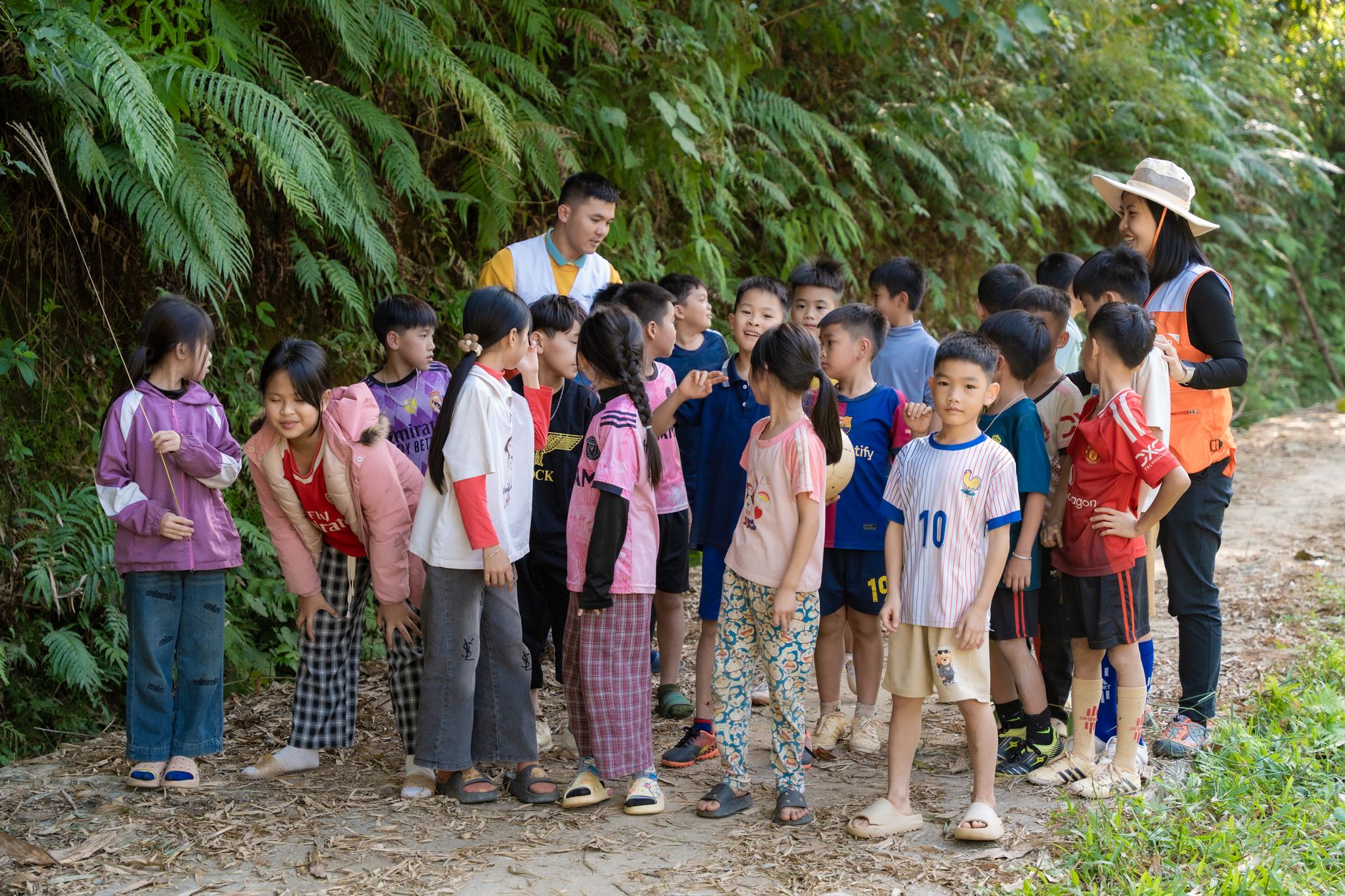
A new study reveals a generation of children in England is growing up with surprisingly little direct contact with nature – many have never climbed a tree or identified a wildflower. Despite this growing disconnect, their desire to understand and protect the natural world remains incredibly strong. Three-quarters of these young people would choose a proposed Natural History GCSE, seeing themselves as part of nature with a major responsibility to safeguard it. This urgent call for practical, outdoor learning highlights a crucial pathway for empowering future generations to tackle environmental challenges.
Many children in England are growing up without simple, everyday experiences in nature. Research shows that over half of 11 to 14-year-olds have never climbed a tree, and nearly nine in ten haven't learned to recognize common birds. These once-common childhood joys, like collecting conkers or skimming stones, are increasingly unfamiliar.
Despite this, young people are keenly aware of their role in the natural world. A remarkable 89 percent believe we have a major responsibility to protect it. Concerns about extreme weather, such as summer heatwaves, are common, yet more than half remain hopeful for nature’s future.
This generation isn't just worried; they want to act. Three-quarters of children would choose a proposed Natural History GCSE if offered at their school. They overwhelmingly prefer hands-on learning, with trips to natural areas and practical activities like restoring wildlife habitats topping their wish lists. This shows a clear path for education to empower them.
Sir Tim Smit, co-founder of The Lost Gardens of Heligan, emphasizes that this new qualification must go beyond textbooks. It should give young people direct experience, connecting them to the living systems that sustain us. Heligan suggests renaming the GCSE to "Natural Futures" to better reflect this forward-looking purpose, as children associate it more with climate change and the planet's future than just past history. This kind of education is vital for equipping young people with the knowledge and confidence to protect our environment and shape a sustainable future.