Kids' Summers Are Changing. Do We Understand Why?

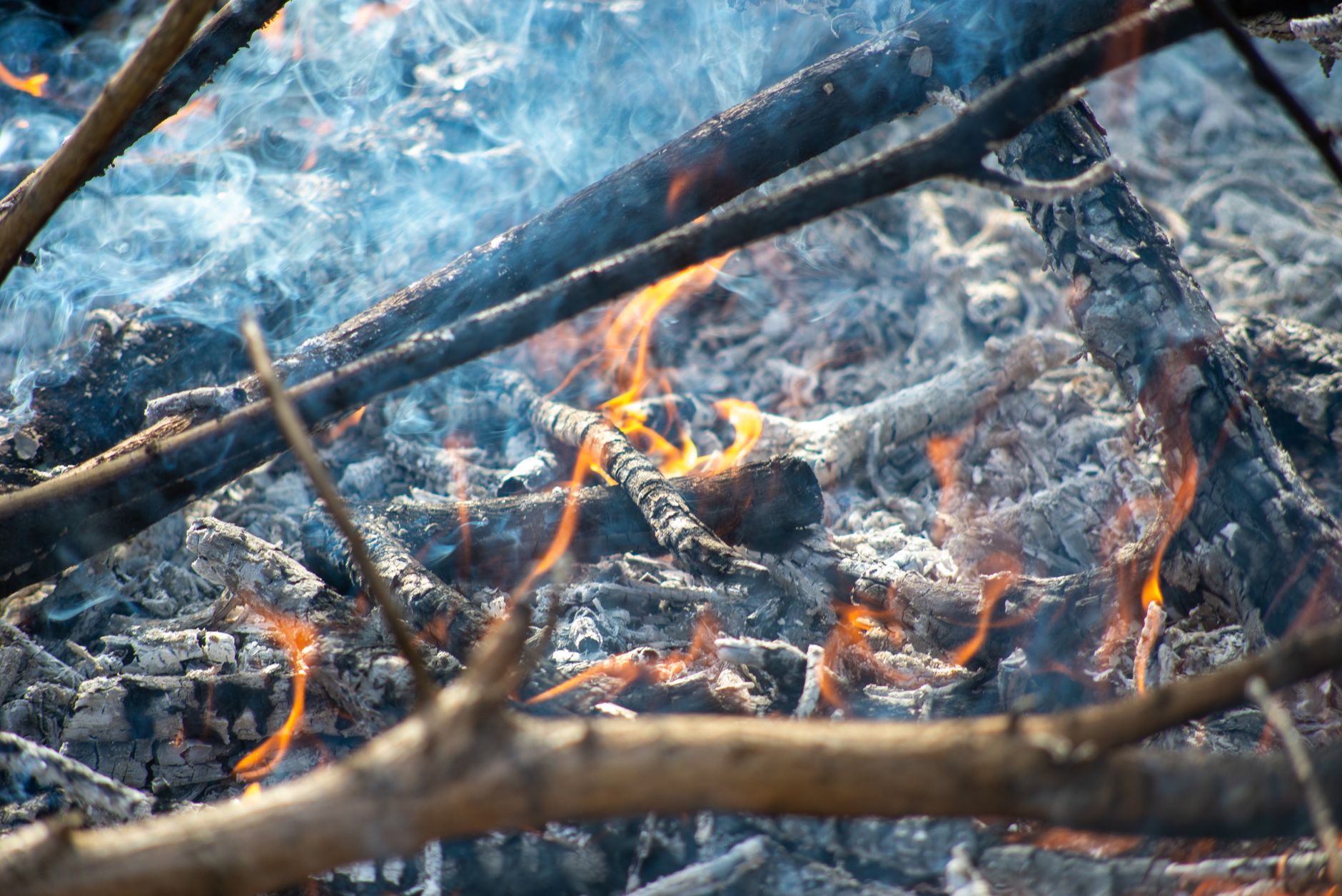
This summer, children across the U.S. are experiencing a vastly different kind of summer, marked by unprecedented extreme weather events. From wildfire smoke blanketing outdoor camps to intense heatwaves disrupting play, climate change is profoundly reshaping what 'summer fun' means for a new generation. These disruptions highlight the urgent need for environmental action, as rising global temperatures, driven by the burning of fossil fuels, make heatwaves, floods, and wildfires more frequent and severe, impacting daily life for families everywhere.
The source article mentions Penelope, a seven-year-old at Beauvoir Summer Camp in Washington, D.C., whose favorite pool time was cut short by hazardous air quality from wildfire smoke and extreme heat. This isn't an isolated incident; families nationwide are adapting to a summer of unprecedented weather. This summer brought wildfires that devastated communities in Canada and northern Minnesota, alongside deadly floods in Texas.
In Pennsylvania, Lauren Smith's children faced a summer of blistering heat, then smoke, and finally non-stop rain, making outdoor play a "waiting game." These experiences underscore how the climate warms due to the burning of fossil fuels, causing extreme weather events like heat waves, droughts, and floods to become more intense and more frequent.
Further north, the impacts are even more dramatic. Camp Widjiwagan in Ely, Minnesota, which serves hundreds of children, had to evacuate in July due to encroaching wildfires. The camp made headlines after submerging historic canoes in lake waters to protect them from the flames. This drastic measure illustrates the severe challenges that climate shifts pose for traditional summer programs.
Eleanor Pitts, a 17-year-old camper who experienced an evacuation firsthand, observed flooded rivers during her trip, bringing the reality of climate change home. She noted, "Going forward, trips are just going to be different because of this climate change situation." This sentiment is echoed by camp directors, who now consider adapting to extreme weather a "new reality." The increased frequency and intensity of these events, fueled by the burning of fossil fuels, directly threaten the enriching outdoor experiences that camps aim to provide, reinforcing the critical need for global action against climate change. A 2024 Gallup survey highlights the importance of summer learning opportunities for children, making these disruptions even more concerning.