Klamath River's Astonishing Return: What Changed for Salmon?

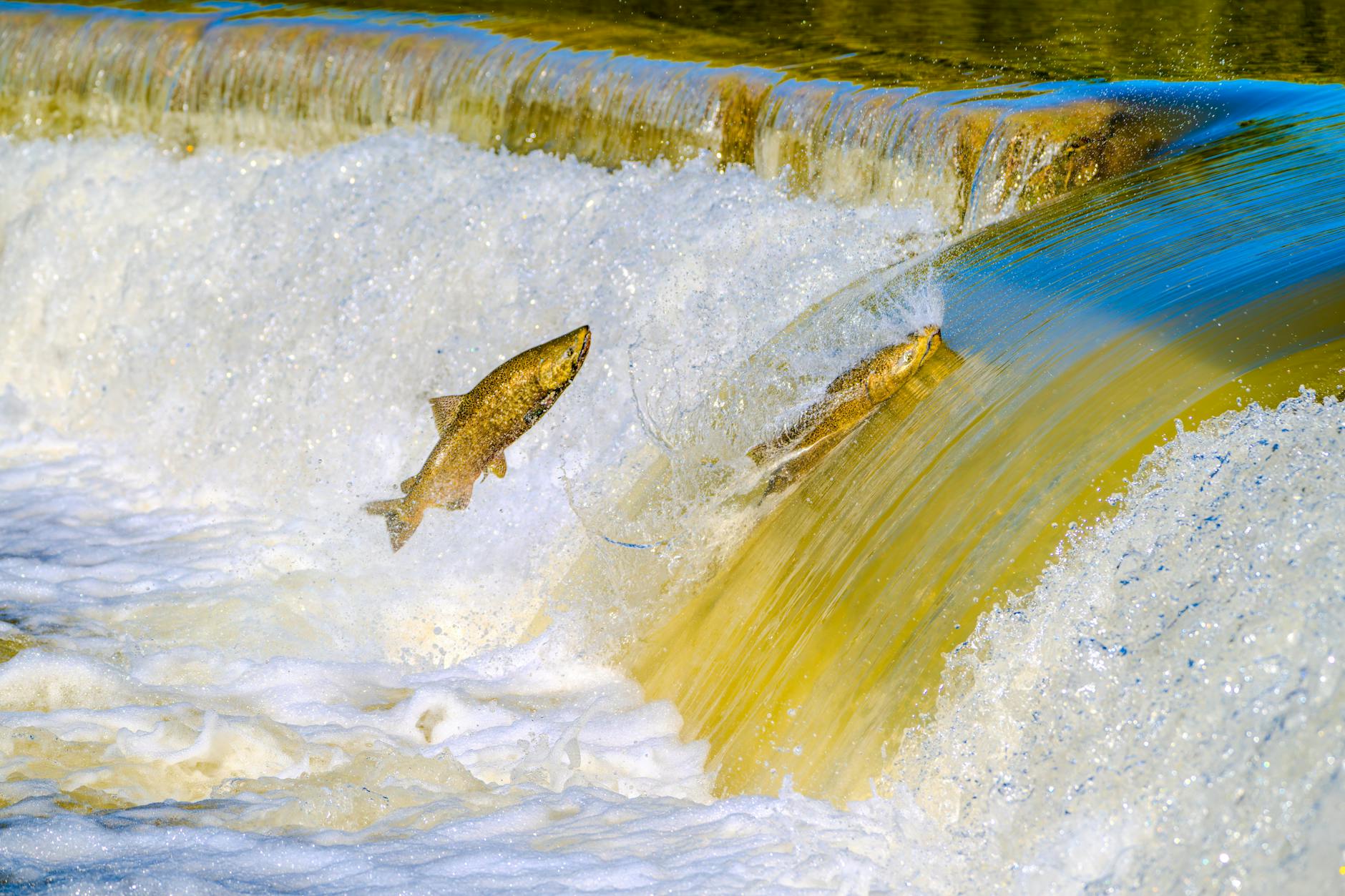
The Klamath River, once choked by dams, is witnessing a remarkable comeback for its iconic salmon populations. In a historic achievement for environmental restoration, four dams were removed in 2024, clearing a path unseen for over a century. New research reveals over 20,000 Chinook salmon have already migrated upstream, repopulating vast stretches of their ancestral spawning grounds. This rapid return highlights the power of restoring natural ecosystems, though ongoing challenges with water management and climate change remain critical for the river's long-term health.
For the first time in over a hundred years, salmon can freely swim above former dam sites on the Klamath River in California. A groundbreaking study shows that just two years after four dams were removed in August 2024, more than 20,000 Chinook salmon have made their way back to traditional spawning grounds. This biological response has been much faster than expected, a testament to the river's resilience and the immediate benefits of restoring its natural flow.
These salmon runs hold immense cultural and spiritual significance for indigenous tribes in the region. The dams, built for electricity generation in the early 20th century, blocked fish passage and created conditions that led to a devastating fish kill of over 30,000 salmon in 2002. This tragedy spurred a long, tribally-led effort to remove the dams, a pivotal step towards environmental justice and conservation.
Following dam removal, water quality improved dramatically as stagnant reservoirs gave way to flowing river segments. Critically, high temperatures and algae blooms, which harmed fish, were greatly reduced. Beyond Chinook, imperiled coho salmon, steelhead, and Pacific lamprey have also returned, demonstrating the broad ecological benefits of this large-scale restoration project. It underscores how removing human-made barriers can jumpstart natural recovery and protect biodiversity.
However, the journey to full recovery for the Klamath is complex. Two federal dams, Link River and Keno, still regulate flows further upriver as part of the Klamath Project, which allocates water to farmers, tribes, and fish. The Keno dam, in particular, was not designed for fish passage, leaving many salmon struggling to pass. Efforts are underway to improve these fish ladders, but the issue highlights that restoration is an ongoing process.
Water allocation itself remains a contentious issue, having historically caused conflict. Debates have even reached the courts, with recent rulings affirming that water releases for endangered fish survival take precedence over agricultural contracts. This crucial legal precedent, which followed events like the 2002 fish kill where low water levels exacerbated the disaster, offers hope for a more balanced approach to managing the river's precious resources.
The salmon's return also brings new considerations, such as fish being spotted in agricultural canals. While steps are being taken to prevent salmon from getting trapped, some see potential for these canals to serve as temporary rearing habitats if managed carefully, reflecting the adaptive nature of both the ecosystem and those working to protect it.
Despite the success of dam removal, the Klamath River faces continued threats from climate change. Low snowpack, persistent drought, and rising river temperatures impact salmon and other species. This summer, an outbreak of disease, exacerbated by low water, tragically affected juvenile Chinook salmon. The restoration of the Klamath is a powerful example of environmental action, yet it also serves as a stark reminder of the urgent need for broader climate solutions and careful water management to ensure the long-term health of our vital ecosystems.