L.A. County vs. State Farm: The Battle for Wildfire Victims' Aid Unfolds

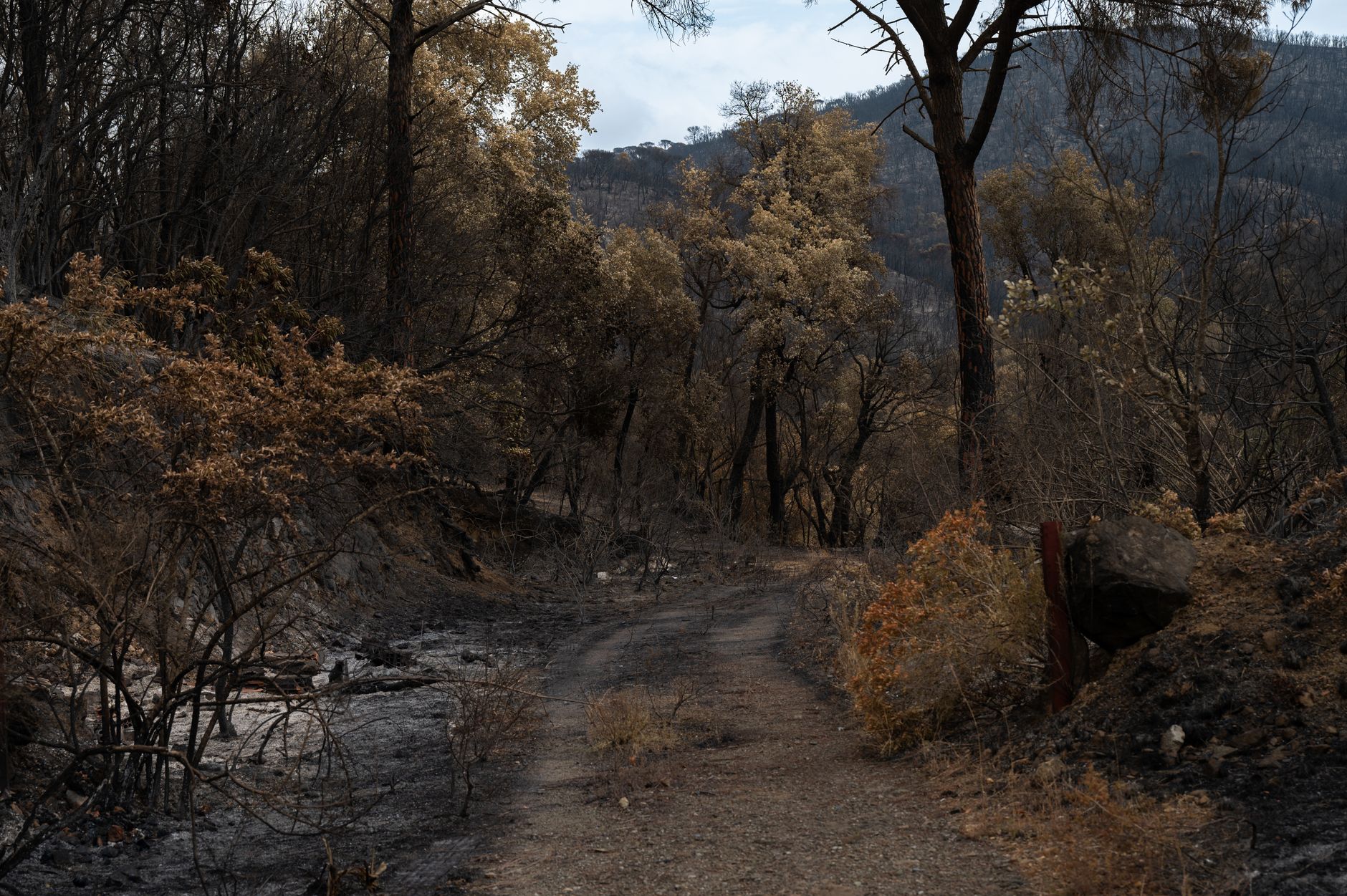
Los Angeles County has filed a lawsuit against insurance giant State Farm General, alleging widespread misconduct in handling wildfire claims. Hundreds of victims from last year’s devastating Palisades and Eaton fires reported delayed, denied, or underpaid claims, leaving families struggling to rebuild their lives and homes. This bold action by the county highlights a critical issue: ensuring that insurance providers uphold their promises to communities, especially as climate change intensifies wildfire risks across the region. Fair and timely recovery is not just a policy matter; it's essential for the wellbeing of those who have lost everything.
The lawsuit, announced Monday, accuses State Farm of illegal and deceptive business practices. County officials conducted an investigation revealing unreasonable delays in processing claims, systematic underpayments, and even the illegal suppression of smoke damage claims. One family, after decades of paying premiums, reported being offered only 13% of the actual cost to remediate their smoke-damaged five-bedroom home. These alleged practices turned insurance from a safety net into a barrier, prolonging the suffering of survivors.
State Farm, California's largest private insurer, quickly responded, stating strong disagreement with L.A. County’s characterization of their wildfire claims response. A spokesman noted the company has paid over $6.2 billion for claims, including about $1 billion for smoke damage, and that 78% of claims are now closed. They maintain their focus is on helping customers recover and will address the lawsuit through legal channels.
Yet, organizations like Every Fire Survivor’s Network have praised the county’s intervention, describing how many State Farm policyholders were not receiving the benefits they expected. This situation is particularly pressing as climate change fuels more frequent and intense wildfires, making reliable insurance a cornerstone of community resilience. As we face a future with greater environmental challenges, ensuring that recovery systems work fairly for everyone becomes increasingly vital for collective well-being and adaptation.