L.A. fires left a dangerous secret in the air for months.

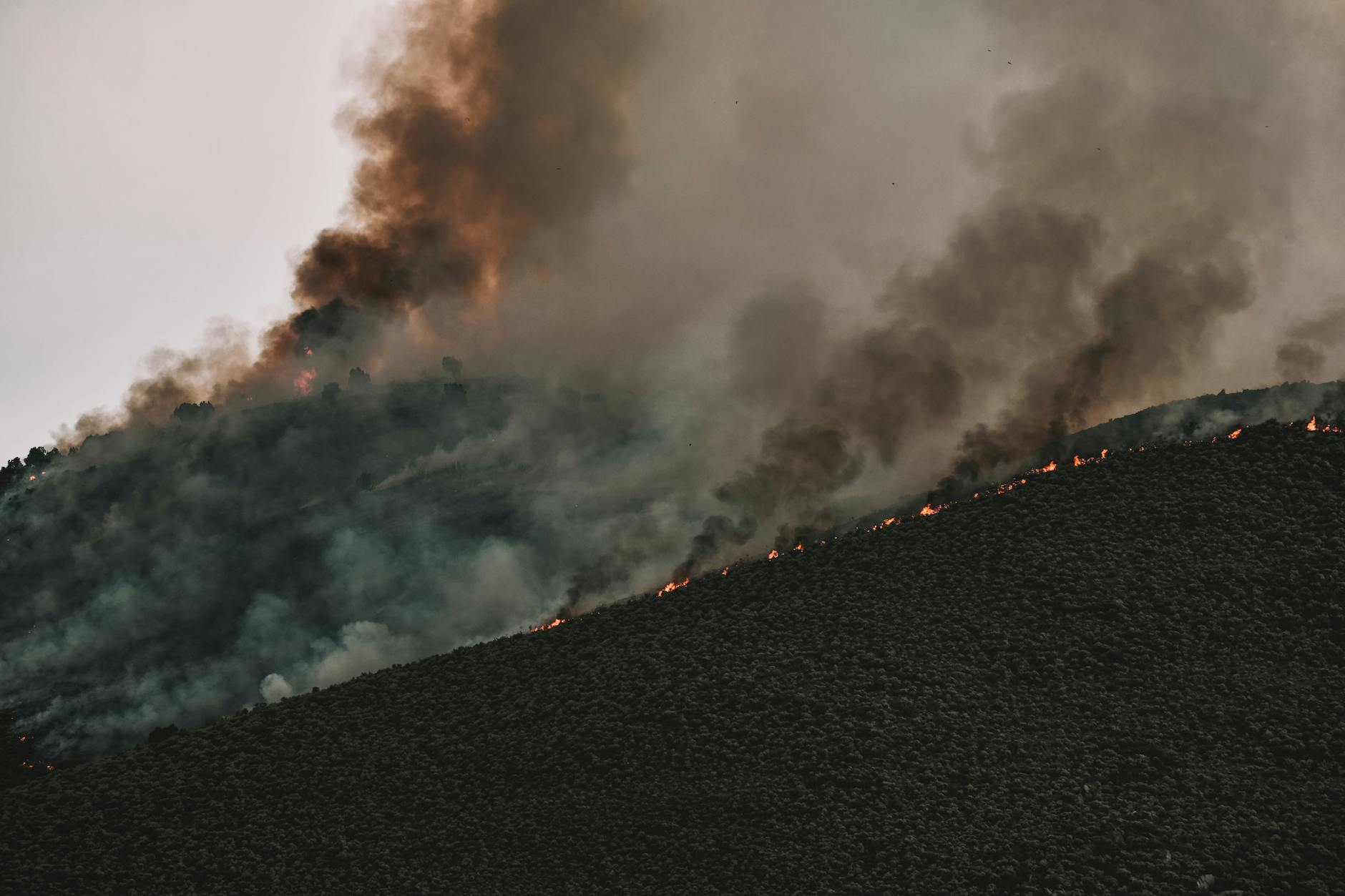
New research reveals that a highly toxic metal, hexavalent chromium, lingered in the air for months after the devastating Eaton and Palisades fires in Southern California. This potent carcinogen, found in ultra-fine particles, likely traveled far, potentially exposing millions of residents to increased health risks, including cancer. Scientists were surprised by its persistence and the high concentrations detected. The findings underscore the hidden environmental dangers of wildfires, making urgent action on climate change and sustainable product design crucial for community safety and public health.
A recent study reveals a hidden danger lurking in the air long after the devastating Eaton and Palisades wildfires in Southern California. Researchers found elevated levels of hexavalent chromium, a highly toxic metal and potent carcinogen, persisting for months after the fires were extinguished. These dangerous particles were incredibly tiny, making it easier for them to enter our lungs, bloodstream, and even our organs, posing a significant health threat.
Computer models suggest this toxic cloud traveled miles downwind, potentially exposing as many as 3.4 million people across communities from Santa Monica to Pasadena, as reported by the Los Angeles Times. Hexavalent chromium, also known as chromium-6, is alarmingly 500 times more carcinogenic than diesel exhaust. While the highest concentrations eventually faded after about eight months, inhaling even small amounts over time can increase cancer risk, raising serious concerns for public health in fire-prone areas.
The exact source of this persistent contamination remains a puzzle. While some chromium is naturally present in soil and can turn toxic with high heat, the affected areas aren't known for high soil concentrations. Scientists are looking into whether fire retardants, which have contained heavy metals like those described in a previous study, or the burning of everyday household items like paints, electronics, and auto parts, could be responsible. There’s also a possibility that debris removal after the fires stirred up these dangerous compounds.
This discovery highlights a critical need to re-evaluate what goes into our consumer products, especially as wildfires become more frequent and intense due to a changing climate. As we face a future with more fires, choosing sustainable solutions and cleaner technologies — like the electric vehicle used for this vital air sampling research — becomes even more urgent. It emphasizes how environmental actions, from product design to fire prevention, are directly tied to our health and safety.