L.A.'s 'Dry Heat' Vanishes? Unprecedented Humidity Grips SoCal.

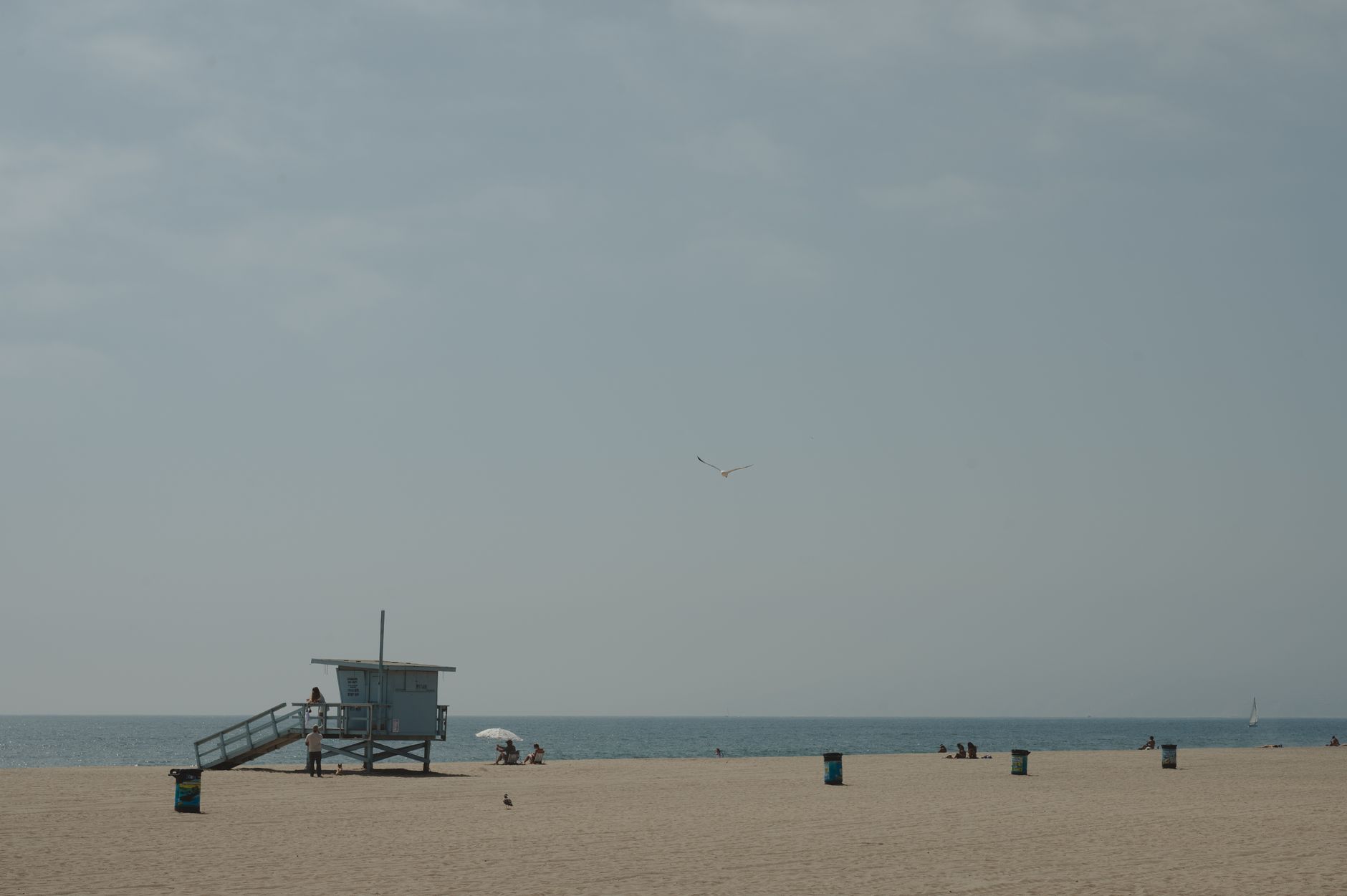
Southern California, famed for its fabled "mild Mediterranean-type climate" and dry heat, is experiencing a dramatic shift. This summer, the region endured record-breaking humidity, feeling more like Florida than its traditional self. Scientists, like UC climate scientist Daniel Swain, confirm this is the most humid summer on record for many locations since 1980. This unsettling change is directly linked to human-caused global warming, an active hurricane season, and extraordinary marine heat waves. It serves as a stark warning of intensifying climate impacts, including severe coastal flooding expected this winter, emphasizing the urgent need for environmental action.
Generations flocked to Southern California for its fabled "mild Mediterranean-type climate" and famous "dry heat." This year, that image dramatically shifted. The region sweltered under oppressive moisture and a deep-tropical air mass, creating humidity levels many described as the worst they've ever felt, mirroring conditions typically found in places like Florida. Scientists confirm this summer has been the most humid on record for parts of coastal Southern California, based on dew point measurements since 1980, according to Daniel Swain's analysis.
This uncomfortable change is a stark preview of what's to come, directly tied to our warming planet. The extreme humidity is fueled by the remnants of Hurricane Marie, part of an unusually active Eastern Pacific hurricane season linked to a strong El Niño pattern. An extraordinary marine heat wave, with ocean temperatures off California and Baja significantly above average—even 10 degrees Fahrenheit warmer than normal in some areas—further intensified the muggy conditions. These factors collectively broke down the region's natural defenses against humidity, like cool ocean breezes and dry desert air.
The added moisture makes the heat feel much more intense, posing serious health risks like heat stroke and exhaustion, especially for vulnerable communities without air conditioning. Looking ahead, experts warn that this winter could bring significant, possibly historic, coastal damage. A strong El Niño will combine with Kelvin waves—which transport warm water and raise sea levels, as explained by NOAA—and super king tides. All these are amplified by human-caused global warming, which is continuously heating our oceans, causing thermal expansion, and melting ice sheets, leading to a relentless rise in sea levels. It underscores the urgent need for robust environmental action to protect our coastlines and communities from these escalating climate impacts.