L.A.'s Hidden 'Public Servants' Are Getting Old. What Happens Next?

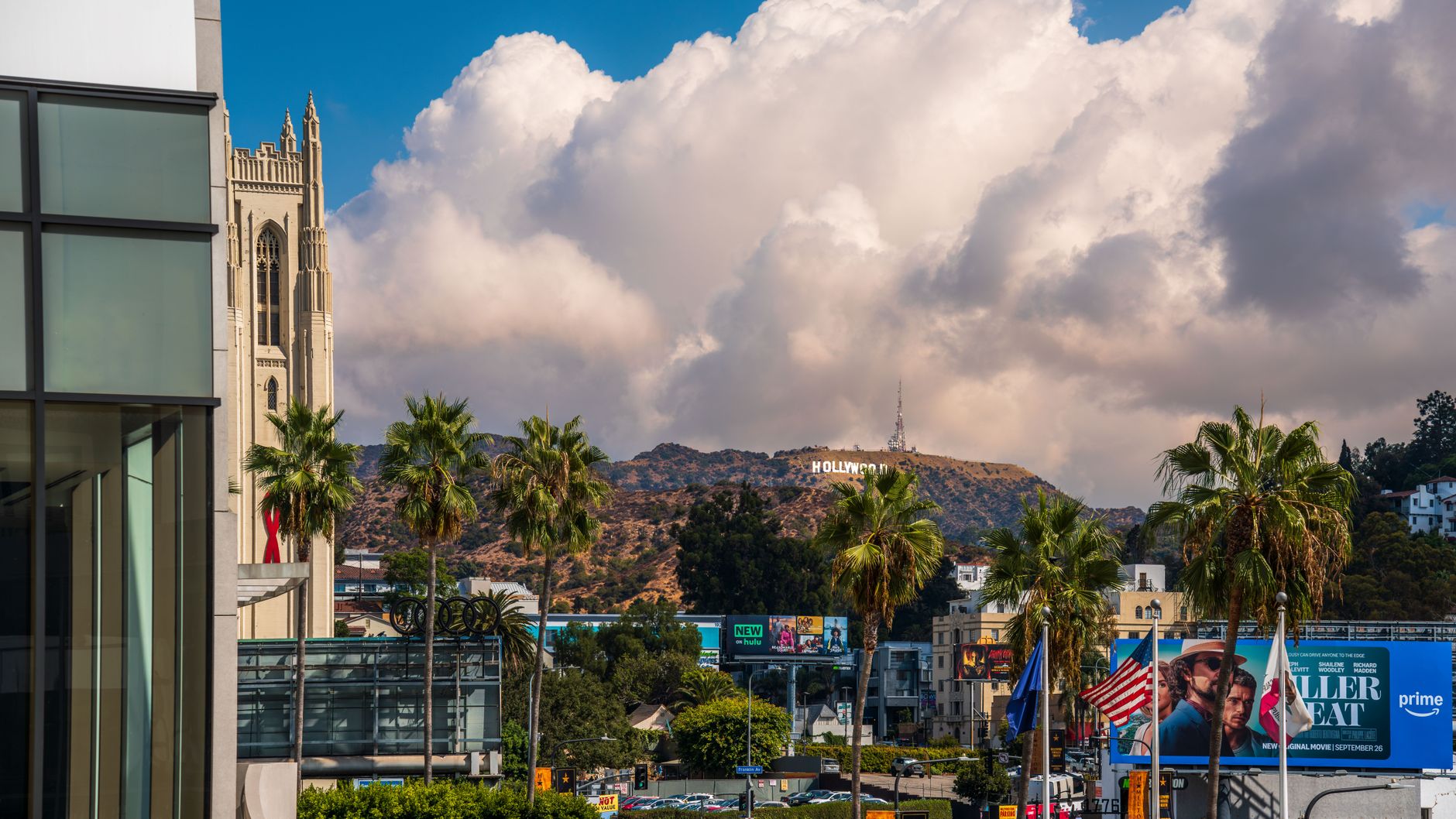
Los Angeles relies on a vast, underground network of water pipes, many of which are now well over 80 years old. These aging "public servants" are increasingly prone to dramatic failures, as seen with a recent major water main break in West Hollywood that released 17 million gallons. Such incidents not only disrupt daily life and local businesses but also highlight a critical need to invest in sustainable infrastructure. Addressing these vulnerabilities is crucial for water conservation and the city's future resilience.
Beneath the bustling streets of Los Angeles, a silent workforce of pipes delivers over 400 million gallons of water every day. But much like people, these pipes are getting old, with 30% of the mainlines having served the city for 80 years or more. This hidden challenge became dramatically visible recently when a 110-year-old pipe under Sunset Boulevard in West Hollywood burst, creating a sinkhole and sending 17 million gallons of water rushing through the streets a major water line break. Local businesses, like the Dialog restaurant, faced catastrophic damage and uncertain futures, underscoring the real human and economic cost of neglected infrastructure.
While L.A. might seem young, its vital water system has been working tirelessly since a time when Woodrow Wilson was president. The pipes have faithfully delivered water as the city grew from half a million to four million residents. This isn't L.A.'s first significant break; a 90-year-old pipe caused millions in damage during a major flood at UCLA in 2014 UCLA was temporarily an underwater university. While age isn't the only factor—soil conditions also play a role—the sheer volume of aging pipes presents a mounting challenge.
The Los Angeles Department of Water and Power (LADWP) is working to replace about 45 miles of pipes annually, tripling the rate from two decades ago. These new pipes are designed to last up to 150 years. However, accelerating this process would mean more street closures, greater disruption for residents and businesses, and increased costs for customers. The decisions made today about infrastructure investment are critical, as delaying maintenance only escalates the price of future repairs and the environmental impact of wasted resources. Maintaining robust, modern infrastructure is essential for sustainable water management and ensures the environmental well-being of our communities.