L.A.'s Mosquito Battle: A Promising Solution Hits an Unexpected Snag

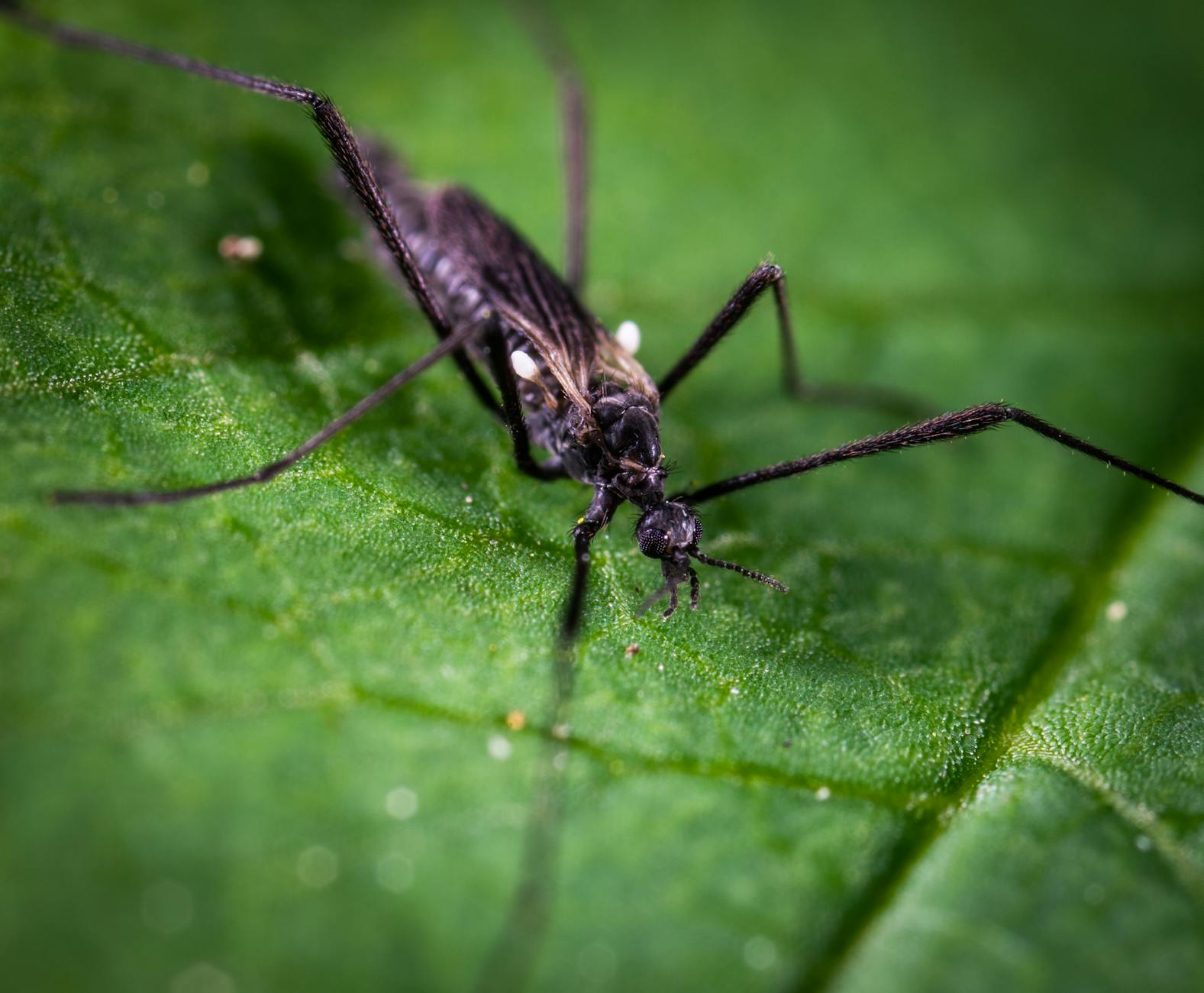
Los Angeles County is grappling with an alarming rise in *Aedes aegypti* mosquitoes, now active year-round and linked to a recent surge in dengue fever. To combat this growing threat, local districts are piloting an innovative "sterile insect technique," releasing X-ray-sterilized male mosquitoes that cannot reproduce. Early results in Sunland-Tujunga show an impressive 80% reduction in female mosquito populations, a promising step towards controlling these disease carriers. However, expanding this crucial program across the county faces a significant hurdle: securing additional funding through property owner fees.
Los Angeles is experiencing an unprecedented mosquito problem, with the invasive *Aedes aegypti* species staying active throughout the winter months, a stark change from previous years. This year-round presence fuels concern, especially after a recent surge in dengue fever cases in the county. Officials are seeing mosquito complaints spike, highlighting the urgent need for effective control methods.
To tackle this, the Greater Los Angeles County Vector Control District is championing a method known as the sterile insect technique. The process involves raising tens of thousands of male mosquitoes, sterilizing them with X-rays, and then releasing them into the wild. Since these males cannot bite or reproduce, they mate with wild females, leading to eggs that don't hatch and effectively shrinking the mosquito population. This strategy offers a non-pesticide approach to a persistent problem, especially critical as these mosquitoes have developed resistance to many traditional chemicals.
The results from a two-year pilot in Sunland-Tujunga have been highly encouraging, demonstrating an average reduction of over 80% in female *Aedes aegypti* populations in treated areas. This success offers a glimmer of hope against a foe that first arrived in L.A. County in 2014 and has since spread to nearly half of California’s counties. However, expanding this successful program to cover the district's entire service area, encompassing 36 cities and communities, comes with a significant price tag.
Current funding relies on property owner fees, and a proposed increase of up to $20 annually per single-family home to expand the sterile male mosquito releases was met with mixed reactions. While individual homeowners showed support, many business owners, whose votes carry more weight due to larger properties, did not back the additional expense. Officials hope to sway businesses by highlighting benefits like more pleasant outdoor dining and avoiding revenue loss from disease outbreaks like Zika or chikungunya, which *Aedes aegypti* can transmit. They plan another vote next year, stressing the importance of collective action to protect public health and the environment. Some residents, as seen in comments on a previous story, are eager to pay for relief, stating they spend more on repellents already.
The persistent activity of these mosquitoes through winter suggests they may be adapting to warmer conditions, a worrying sign in a changing climate that already lengthens their active season. Deploying innovative, sustainable solutions like the sterile insect technique is crucial to manage these highly adaptable pests and protect communities from mosquito-borne diseases without relying on widespread chemical treatments.