L.A. Swings From Coastal Flood to Scorching Heat: What's Next?

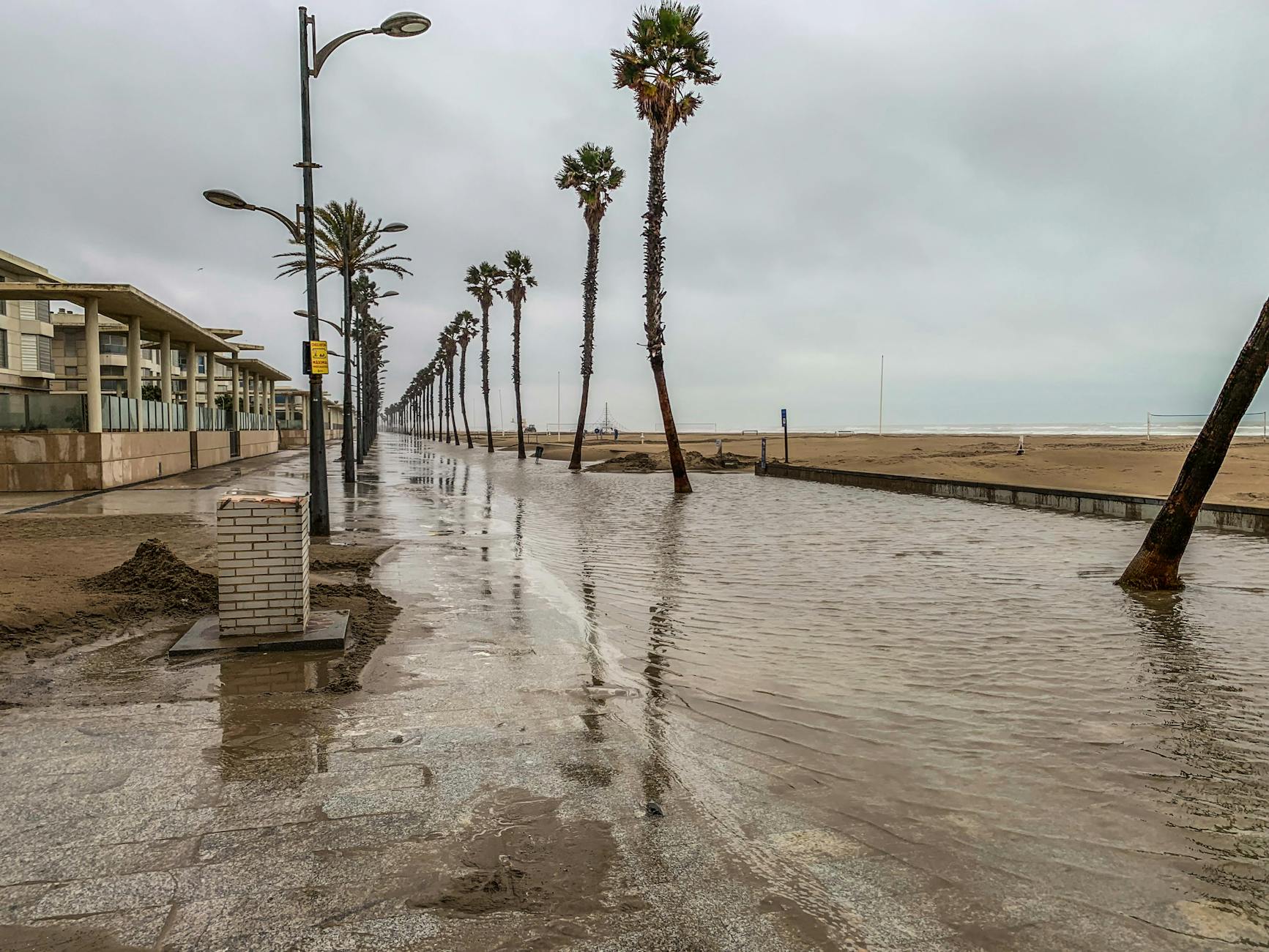
Los Angeles is bracing for a severe heat wave and high humidity, just as the region recovers from significant coastal flooding, heavy rain, and dangerous surf caused by the remnants of Tropical Storm Marie. Temperatures are predicted to soar 10 to 20 degrees above normal, reaching nearly 100 degrees along the coast and over 105 inland, with little relief at night. This unusual combination of extreme weather highlights the increasing vulnerability of coastal communities to climate impacts, intensified by factors like a lingering ocean heat wave and the impending "super" El Niño. Residents are urged to take precautions against both heat stress and hazardous ocean conditions.
Los Angeles is experiencing a dramatic shift from coastal chaos to scorching heat. Following a weekend where remnants of Tropical Storm Marie brought significant coastal flooding, heavy rain, and dangerously high surf, the region is now bracing for extreme heat and humidity. Temperatures are predicted to soar 10 to 20 degrees above normal, with downtown L.A. and Long Beach possibly hitting 98 degrees, and inland areas exceeding 105 degrees. Even nighttime offers little relief, with lows staying in the mid-70s, leading to uncomfortable and potentially risky "heat stress."
Coastal advisories for high surf and coastal flooding remain in place, with experts warning of powerful waves and life-threatening rip currents. Inexperienced swimmers are urged to stay out of the water, as the ocean’s churn can be unpredictable and highly dangerous. Areas like Long Beach and Malibu experienced severe impacts, with waves damaging boardwalks and washing away protective sand berms. Residents reported flooded garages and power shortages, highlighting the immediate disruption these events cause.
This dual assault of intense weather is exacerbated by ongoing environmental changes. A record-breaking ocean heat wave off the California coast and a brewing "super" El Niño have contributed to unusually high tides, pushing coastal waters further inland than predicted. These interconnected events underscore how global warming intensifies extreme weather, increasing the urgency for collective climate action and sustainable solutions to protect our vulnerable communities and natural environments.
Further emphasizing the environmental impact, unusual weekend rainfall also led to public health advisories against ocean swimming through Wednesday. This is because storm runoff carries pollutants and bacteria from streets directly into the ocean. Waiting at least 72 hours after rain is a crucial step to avoid potential health risks from contaminated waters.