LA faced a major fire test. Did the city pass this time?

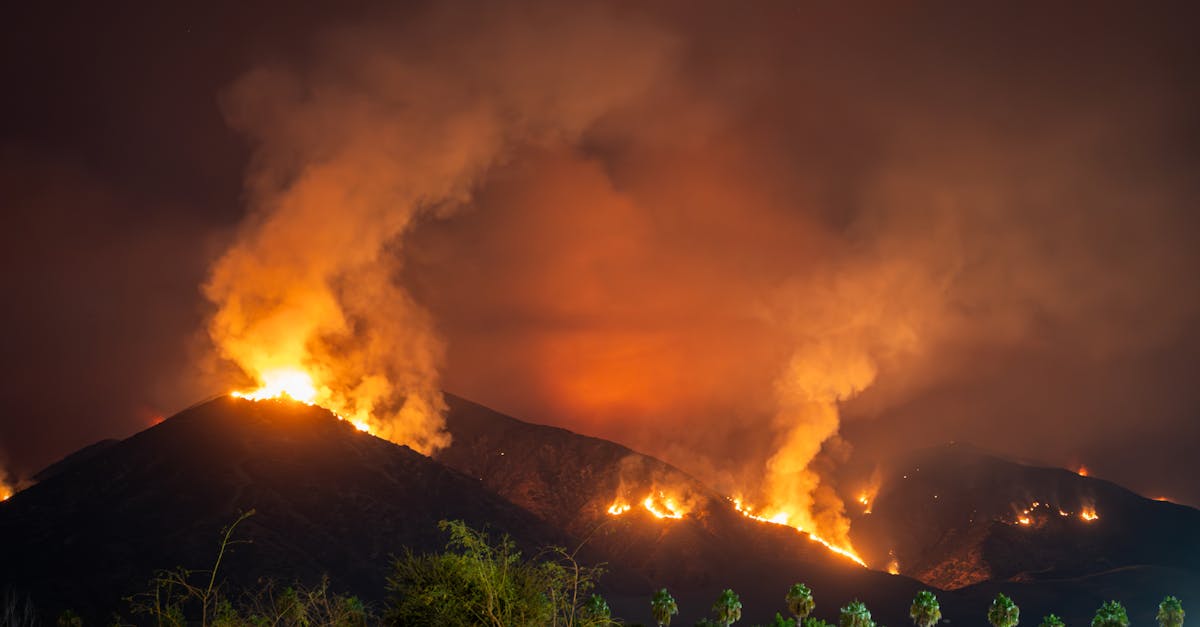
Los Angeles recently underwent its first major wildfire risk test since the devastating Palisades fire, a pivotal moment for a city still recovering from past failures. City officials, led by Mayor Karen Bass and Fire Chief Jaime Moore, demonstrated a visibly enhanced state of preparedness, aiming to restore public confidence shattered by an independent report on the 2025 incident. This crucial test was not just about immediate safety but also about showcasing a vital shift in strategy. As climate change continues to fuel more intense and frequent extreme weather events, robust environmental action and proactive community resilience are more critical than ever to protect lives and homes.
The recent red flag warning posed a significant challenge for Los Angeles, particularly the Pacific Palisades, a community still scarred by the devastating January 2025 Palisades fire. This weather event served as a critical opportunity for the city to prove it had learned from its past mistakes and implemented the necessary changes, especially after an independent report laid bare previous shortcomings.
Mayor Karen Bass, unlike her absence during the previous crisis when she was at a cocktail party in Ghana, was actively on the ground, coordinating directly with Fire Chief Jaime Moore. Her visible presence and leadership aimed to reassure residents that the city was taking this threat seriously and working to prevent a repeat of history. This direct engagement marks a clear commitment to improved emergency response.
The Los Angeles Fire Department significantly stepped up its game. Chief Moore confirmed that all off-duty firefighters were called in for pre-deployment, and additional engines were strategically positioned throughout the Pacific Palisades. This proactive strategy, a stark contrast to previous shortcomings, ensures a faster, more robust response if a fire were to break out. Such swift action is paramount in mitigating the rapid spread of wildfires intensified by climate conditions.
While the Santa Ynez Reservoir remained out of service due to ongoing repairs, the Los Angeles Department of Water and Power had backup measures in place. Six miles of hose were laid to connect alternative water sources, and backup generators and tanker trucks were stationed to ensure hydrants would flow. The department began refilling the reservoir at the start of October and expects it to be fully operational by year-end. This adaptation highlights the city’s effort to secure essential resources, even as infrastructure improvements continue.
Crucially, residents also play a vital role. The Palisades fire has galvanized many locals into taking disaster preparation seriously, from clearing flammable vegetation around their homes to investing in fire-hardened building materials. This collective effort, inspired by communities like Topanga and Malibu, underscores the importance of community resilience in the face of escalating climate threats.
A recent UCLA study found that climate change is cutting back the number of Santa Ana wind days, yet it’s the most extreme and dangerous winds that persist, continuing to fuel devastating wildfires. This finding makes the urgency of climate action and enhanced community preparedness even clearer. Events like the Norte fire in San Juan Capistrano, which destroyed homes shortly after coastal storms, demonstrate California’s vulnerability to dual climate-fueled threats—fire and water—simultaneously. Protecting our environment through sustainable practices and adapting to these changing conditions is no longer optional; it's essential for survival. This global challenge requires collective action, as highlighted by a tragic fire that killed Canadian soldiers in Alberta, as Kevin Maimann reports for CBC News, further emphasizing the unpredictable nature of fire events compounded by rapid winds.