LA Fire's Toxic Smoke: What You Need to Know About Hidden Dangers

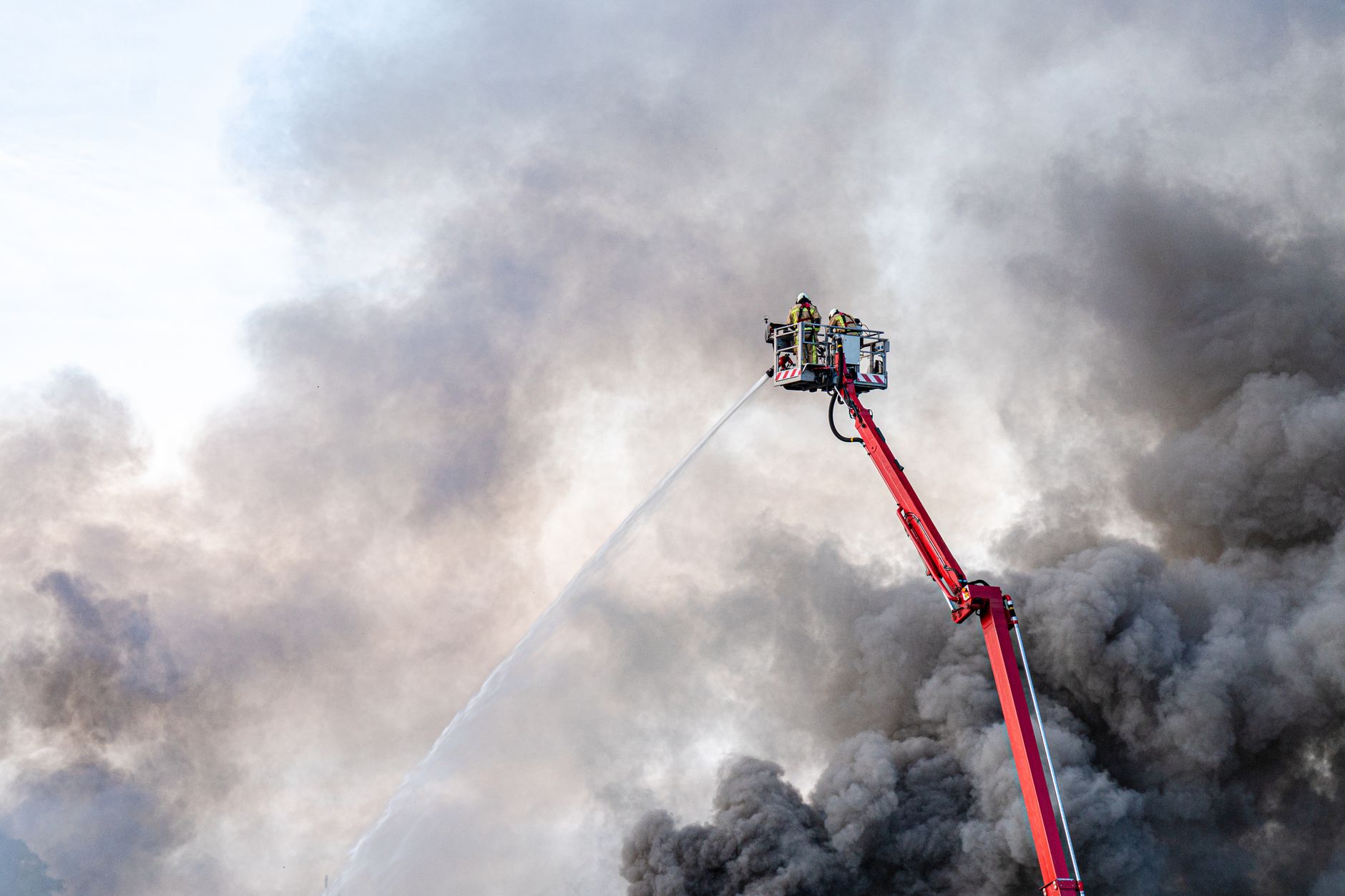
For nearly a week, tens of thousands across southeast Los Angeles County have been shrouded in a dense, toxic smoke plume from a massive refrigerated warehouse fire in Boyle Heights. Experts warn there's no safe level of exposure to the particle pollution, raising serious health concerns for residents, especially children and pregnant women. The prolonged airborne threat has ignited debate over the official response, with critics arguing that health risks have been downplayed and evacuations should have occurred. This ongoing environmental emergency highlights the urgent need for robust public health protections in vulnerable communities.
A large refrigerated warehouse fire in Boyle Heights has been burning for almost a week, blanketing thousands in southeast Los Angeles County with a thick, acrid cloud of smoke. Winds have at times carried this toxic pall across the San Gabriel Valley and beyond, exposing communities to dangerous air for days on end.
Experts are clear: there's no safe amount of exposure to this kind of particle pollution. Tiny, charred particles can enter deep into the lungs and bloodstream, causing inflammation and increasing the risk of heart attacks and strokes. Unlike short-term exposure, residents in areas like Boyle Heights, East Los Angeles, Maywood, Montebello, and Bell have been breathing this air for many days.
A pediatrician highlighted concerns about specific pollutants from the fire, including carbon monoxide, volatile organic compounds, and chemical gases released from burning insulation, plastics, and paint. These substances can irritate lungs, cause long-term damage, and potentially lead to cancer. Children are particularly vulnerable because they breathe more air relative to their body size and are often more active. It's important to remember that even healthy individuals are at risk, not just those already susceptible.
The duration of the exposure significantly increases potential health risks. While more is known about wildfire smoke and its impact on pregnant women and their babies, experts anticipate similar dangers from prolonged exposure to this type of urban fire smoke, including increased risk of low birth weight and preterm birth.
This ongoing situation has sparked criticism regarding the official response. Activists argue that health risks have been understated and that authorities should have ordered evacuations, especially given the chemical-laden insulation foam burning inside the warehouse. This material can release highly toxic gases like hydrogen cyanide and isocyanates, known to cause severe lung damage. However, city officials and the Fire Department have maintained that the air quality did not warrant mandatory evacuations.
Community organizers point out that many affected areas have historically suffered from poor air quality due to decades of industrial pollution, heavy traffic, and rail yards. They challenge official statements that minimize the risks, emphasizing that fire departments are not public health experts. This incident underscores the crucial importance of protecting communities from further environmental burdens and ensuring immediate, decisive action during environmental crises.