LA Just Ditched Its Dirtiest Power Source. Igniting Climate Hopes.

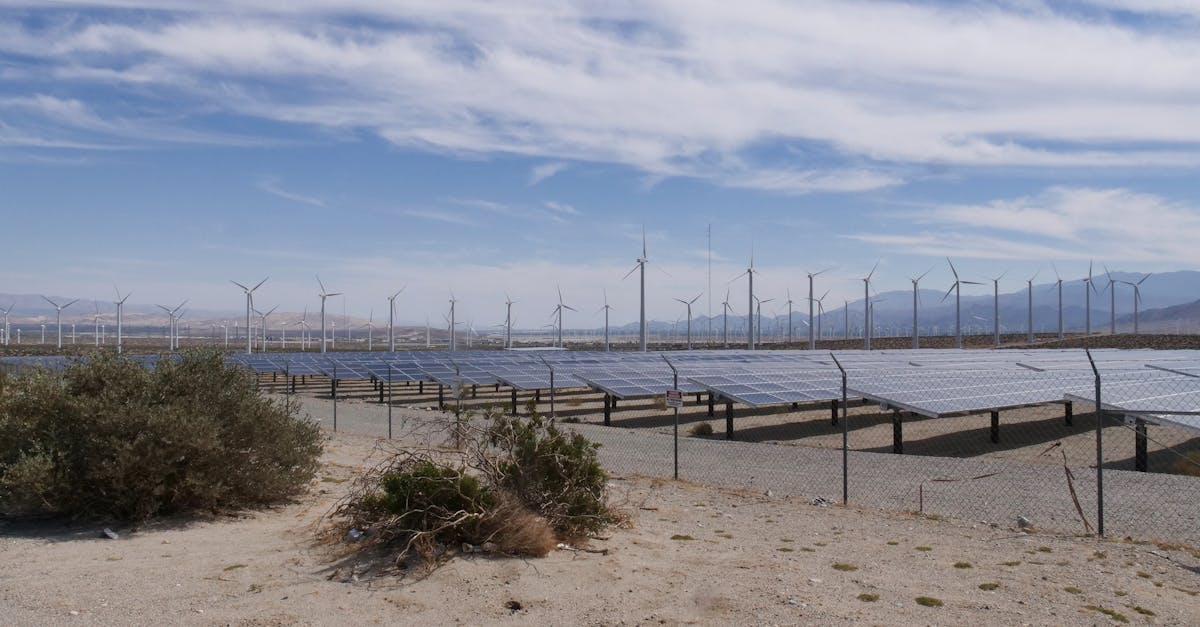
Los Angeles has officially stopped using coal-powered electricity from its last remaining source, the Intermountain generating station in Utah. This significant announcement from city officials marks a major step in the transition to a cleaner future. Mayor Karen Bass hailed it as a defining moment for Los Angeles, accelerating its commitment to achieve 100% clean energy by 2035. This move is crucial because burning coal for electricity is a leading cause of climate change, making LA's decision a powerful example for other cities globally. It’s about building an environmentally friendly economy that benefits everyone.
The Los Angeles Department of Water and Power (DWP) has officially ended its reliance on coal. This decision makes Los Angeles a leader in the fight against climate change, as electricity from coal is one of the most damaging forms of power generation for our planet. Ending this dependency is a critical move towards a healthier environment and a more sustainable future for everyone.
This achievement has been years in the making, reflecting dedicated efforts by DWP employees, community support, and strong leadership. California as a whole has been moving away from coal, which supplied only 2.2% of the state’s electricity in 2024, with most of that coming from the Intermountain Power Project. Now, over 60% of LA's energy comes from renewable sources, a massive improvement from just 3% two decades ago, showcasing the city’s impressive progress.
Key to this transition are new investments in clean technologies like solar and wind power, along with battery storage. For example, the newly completed Eland solar-plus-storage center in Kern County, one of the nation’s largest, is already supplying power to LA. While the city still uses some natural gas, plans are underway to transition these plants to operate on clean hydrogen in the near future. This includes a recent decision by the DWP board to convert units at the Scattergood Generating Station, a move that some groups believe prolongs fossil fuel reliance but is intended to pave the way for a 100% green hydrogen future.
Despite some ongoing challenges, ending coal power in the nation’s second-largest city is a monumental step. Experts like Evan Gillespie from Industrious Labs noted that this goal was once considered nearly impossible. LA’s courage and leadership offer a vital model, showing that a swift transition to clean energy is not just a dream but an achievable reality, inspiring cities worldwide to follow its path towards a cleaner, greener tomorrow.