LA's Green Beetles Are Everywhere: Here's Why

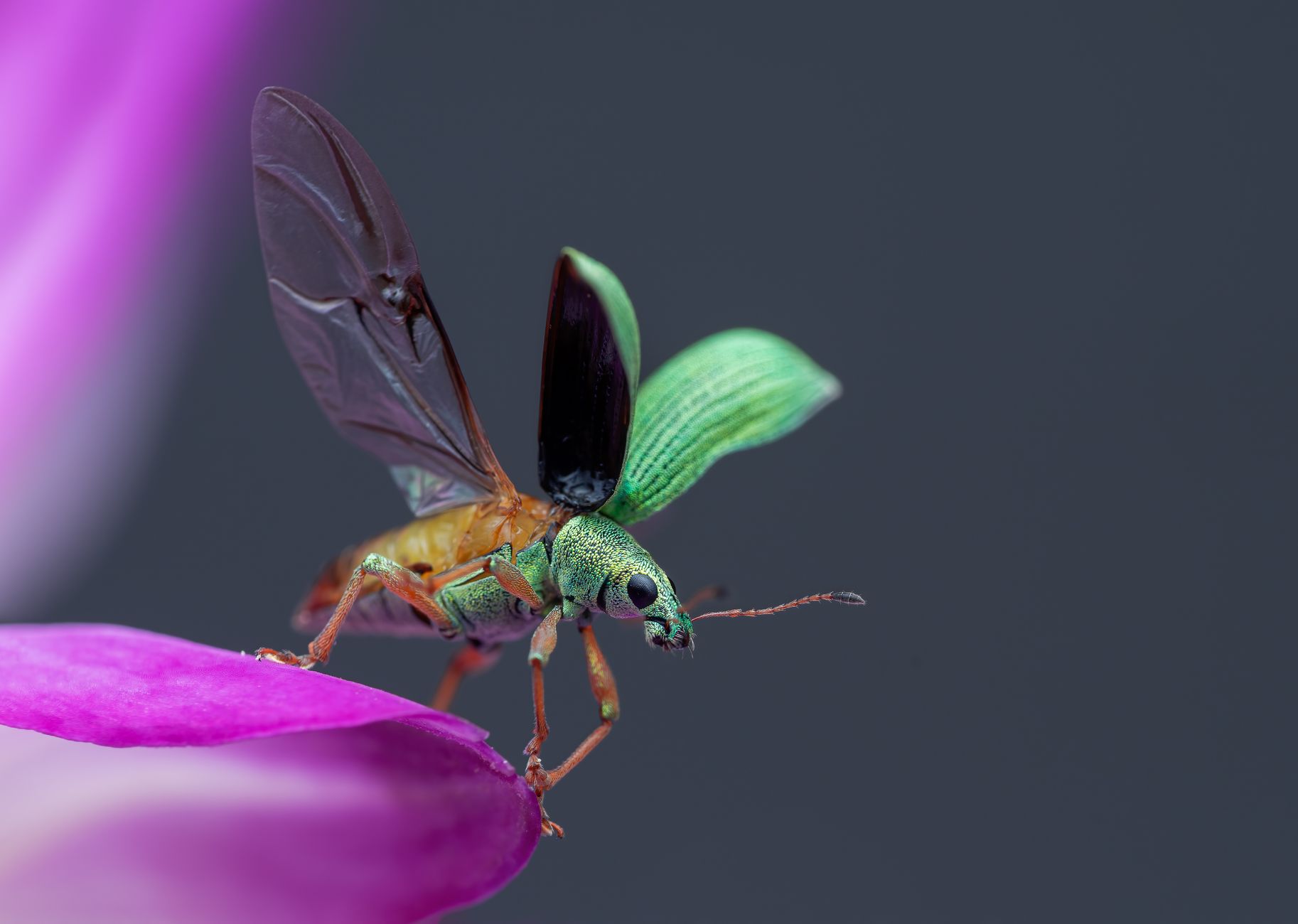
Los Angeles residents are encountering an unusually high number of figeater beetles this summer. These large, metallic-green insects, known for their clumsy flight, are becoming a common sight, often bumping into unsuspecting people. Experts believe that a combination of human-created conditions, like abundant compost and irrigated landscapes, along with the impacts of climate change, is contributing to their thriving population. While they can be startling, these beetles play a beneficial role in the ecosystem, helping to break down decaying organic matter.
Imagine a large, metallic-green beetle, about an inch long, careening straight towards you. That's the experience many in Los Angeles are having this August, the peak season for figeater beetles, also known as green fruit beetles. Their somewhat awkward flight isn't due to poor eyesight, but rather their size and relatively small wings, which make controlling their trajectory a challenge.
While native to Southern California, these beetles appear to be increasing in numbers and even expanding their territory, showing up in new states like Utah and Colorado in recent years. This surge is largely linked to human activities. Our compost piles offer a rich food source for their larvae, and our irrigated lawns and fruit trees provide the moist environments and sustenance they need. Compounding this, a changing climate is creating more hospitable areas for them to flourish, underscoring how human actions directly influence local wildlife.
Despite their penchant for fruit, these beetles are generally not considered pests. Instead of munching on fresh crops, they typically prefer decaying fruit and organic matter, making them helpful decomposers in our ecosystem. Their hefty larvae, which can grow to the size of a pinky finger and crawl on their backs, play a vital role in breaking down compost. So, if one of these bumbling green visitors finds its way indoors, the best approach is simply to gently guide it back outside. Avoiding pesticides helps protect these beneficial insects and maintain a balanced local environment.