Lake Mead's Record Low: What This Means for the West

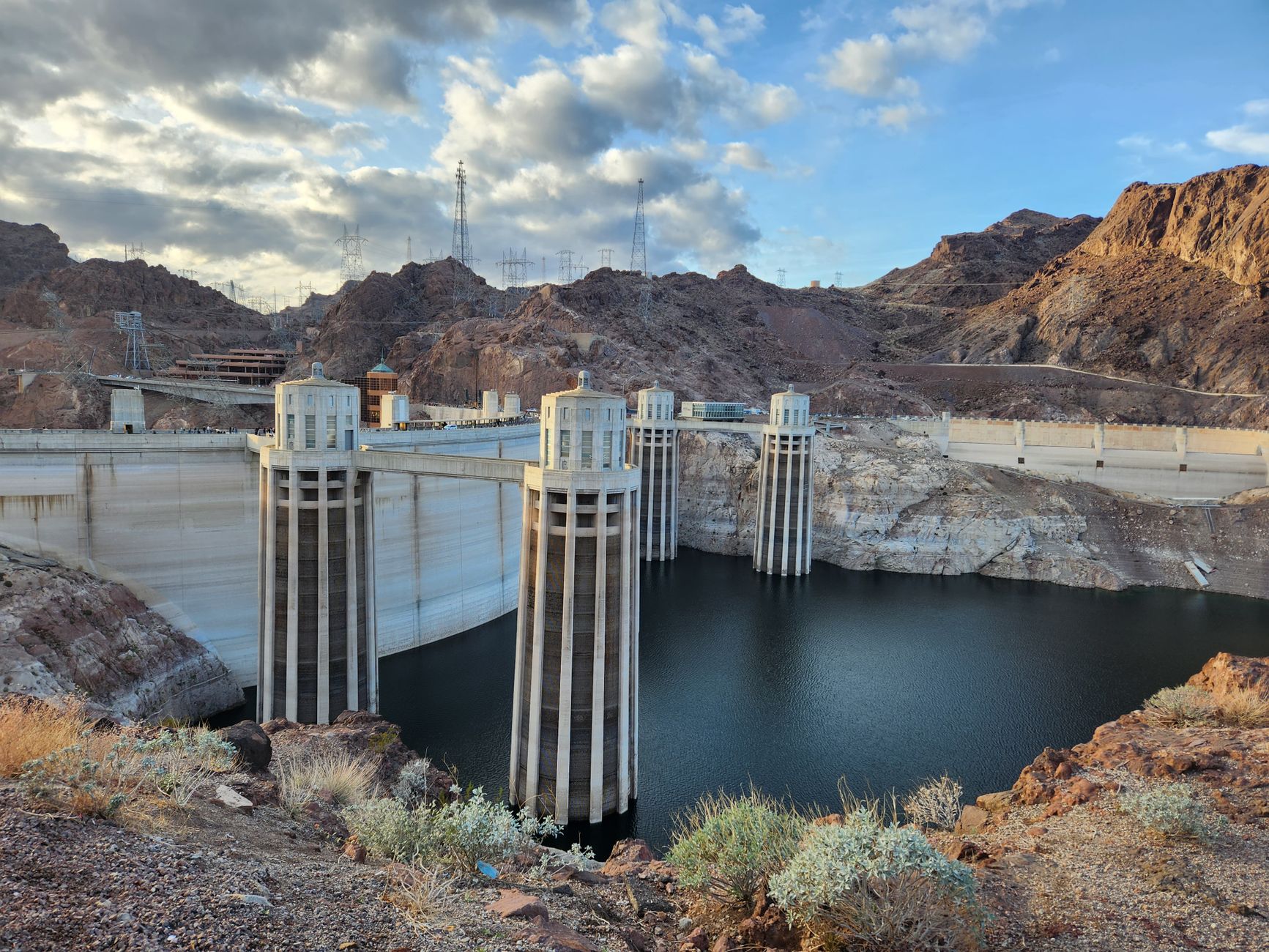
Lake Mead, the United States' largest reservoir, has just recorded its lowest water level in 90 years, signaling a deepening crisis for the vital Colorado River system. Dropping to 1,040.4 feet above sea level, this historic decline surpasses even the severe levels seen in 2022. The shrinking waters are a stark reminder of persistent drought, years of overuse, and the escalating impacts of rising temperatures on our natural resources. This critical situation directly threatens water supplies for over 40 million people, agriculture, and critical hydropower production across seven U.S. states and Mexico. The urgent need for sustainable water management and climate action has never been clearer.
Lake Mead, the largest reservoir in the United States, has hit a historic low, measuring just 1,040.4 feet above sea level, according to federal data. This depth is the lowest since the reservoir was created nearly a century ago, deepening the crisis for the Colorado River system, which is essential for millions of lives and livelihoods. This recent drop surpasses the previous record set in July 2022, signaling a rapidly worsening situation.
The health of the Colorado River directly impacts over 40 million people across seven U.S. states, tribal nations, and Mexico. It provides water for drinking, farming, industry, and generates crucial electricity. The ongoing decline is a clear consequence of several factors: the worst winter snowpack ever recorded in the river basin, decades of unsustainable water use, and the increasingly severe droughts intensified by rising global temperatures. These challenges highlight the critical importance of protecting our environment and adopting sustainable practices.
Federal authorities have had to intervene, proposing temporary water cuts for states like California, Nevada, and Arizona, after the affected states couldn't agree on how to share less water. Efforts are also underway to protect the river's ability to produce clean energy, with decisions made to adjust water flow from other dams. The severity of the drought was dramatically illustrated in 2022 when receding waters at Lake Mead exposed human remains, forcing Las Vegas officials to extract water from deeper sections of the reservoir. This situation underscores the urgency of addressing climate change and adopting comprehensive water management strategies to secure a sustainable future.