Largest Carbon Deal Ever Announced: What It Means For Our Planet

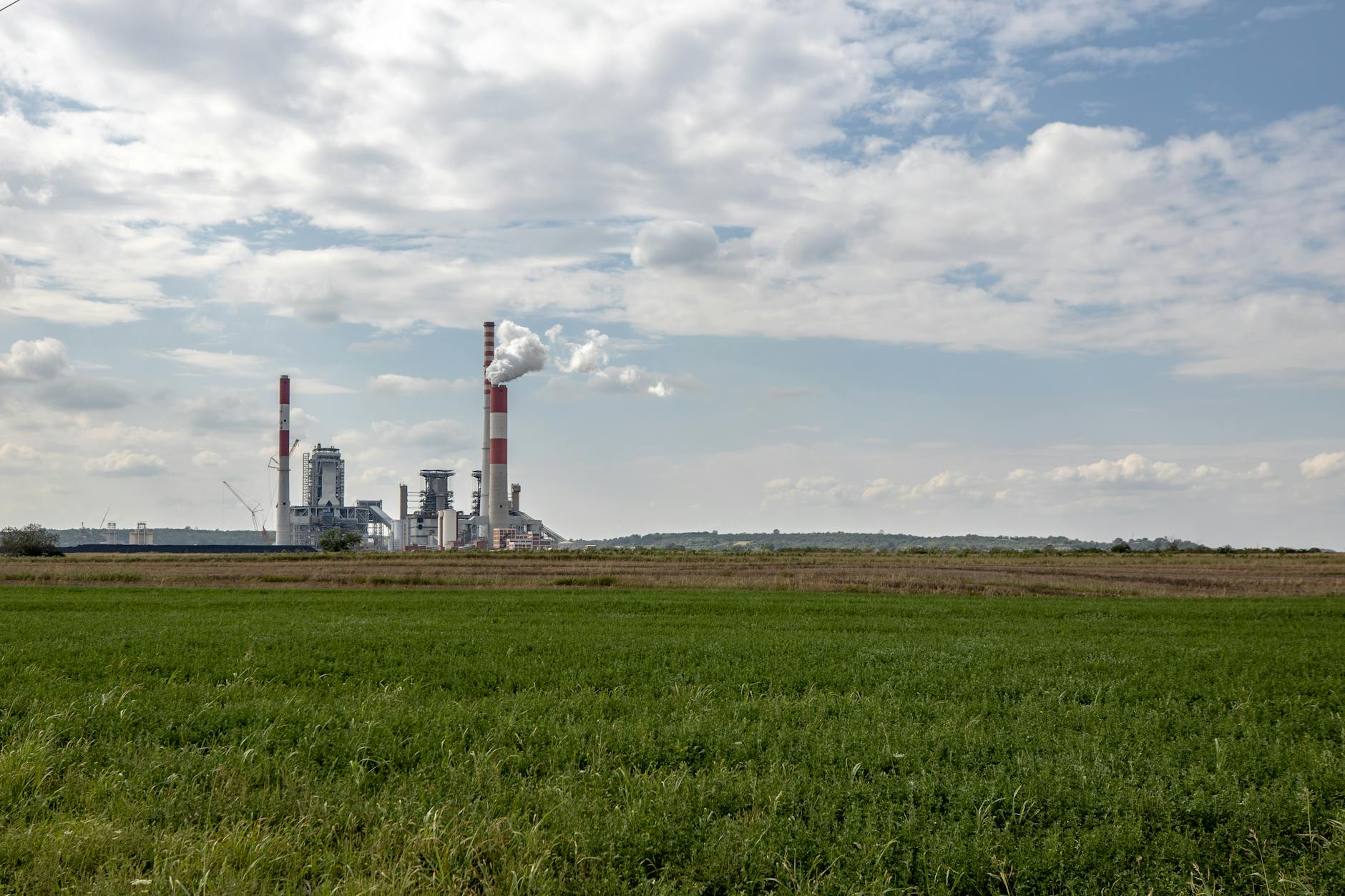
A groundbreaking partnership between U.S. developer Frontier Infrastructure Holdings and Germany's Carbonfuture has just sealed the largest-ever ethanol bioenergy with carbon capture and storage (BECCS) carbon removal agreement. This multi-year deal, known as Project Sprint, aims to remove 750,000 tons of carbon dioxide from our atmosphere. It's a significant step toward tackling global warming by permanently storing harmful emissions underground. This collaboration highlights the growing global effort to achieve net-zero goals through innovative, sustainable solutions.
This major agreement will see Carbonfuture market 750,000 carbon removal credits from Frontier’s Project Sprint. Starting in late 2027, Project Sprint will capture carbon dioxide created during ethanol production, preventing it from reaching the atmosphere. This captured CO₂ will then travel by rail from Midwest ethanol plants to secure underground storage sites in Wyoming, ensuring it stays locked away permanently.
Bioenergy with Carbon Capture and Storage, or BECCS, is gaining attention as a powerful tool in the fight against climate change. It works by combining renewable plant material with carbon capture technology. As plants grow, they naturally absorb carbon dioxide. When this plant material, like corn, is turned into ethanol, the CO₂ can be captured before it's released, leading to a 'net-negative' process where more carbon is removed than added to the air. Ethanol facilities are especially good for this because they produce pure carbon streams, making the capture process more efficient and affordable.
The world is urgently seeking reliable ways to remove carbon from the atmosphere, and demand for these durable solutions is rapidly increasing. Experts predict a huge surge in the need for carbon credits as more companies commit to ambitious climate goals, according to a report by Sylvera. This demand is expected to far outpace the current supply of projects that can permanently remove carbon. While traditional methods like planting trees are helpful, innovative approaches like BECCS are crucial for the scale of action needed.
This growing market demands high-quality carbon removal projects that are independently verified and promise permanent storage. The deal between Frontier and Carbonfuture exemplifies this shift, aiming to provide credits with strong integrity. By securing these future carbon removals now, companies help finance vital climate projects, ensuring a steady supply of solutions that genuinely tackle global warming. Project Sprint, if successful, will be a leading example of how industry can help us move towards a cleaner, more sustainable future.