Last Vaquitas Face New Threat: What Just Changed in Mexico?

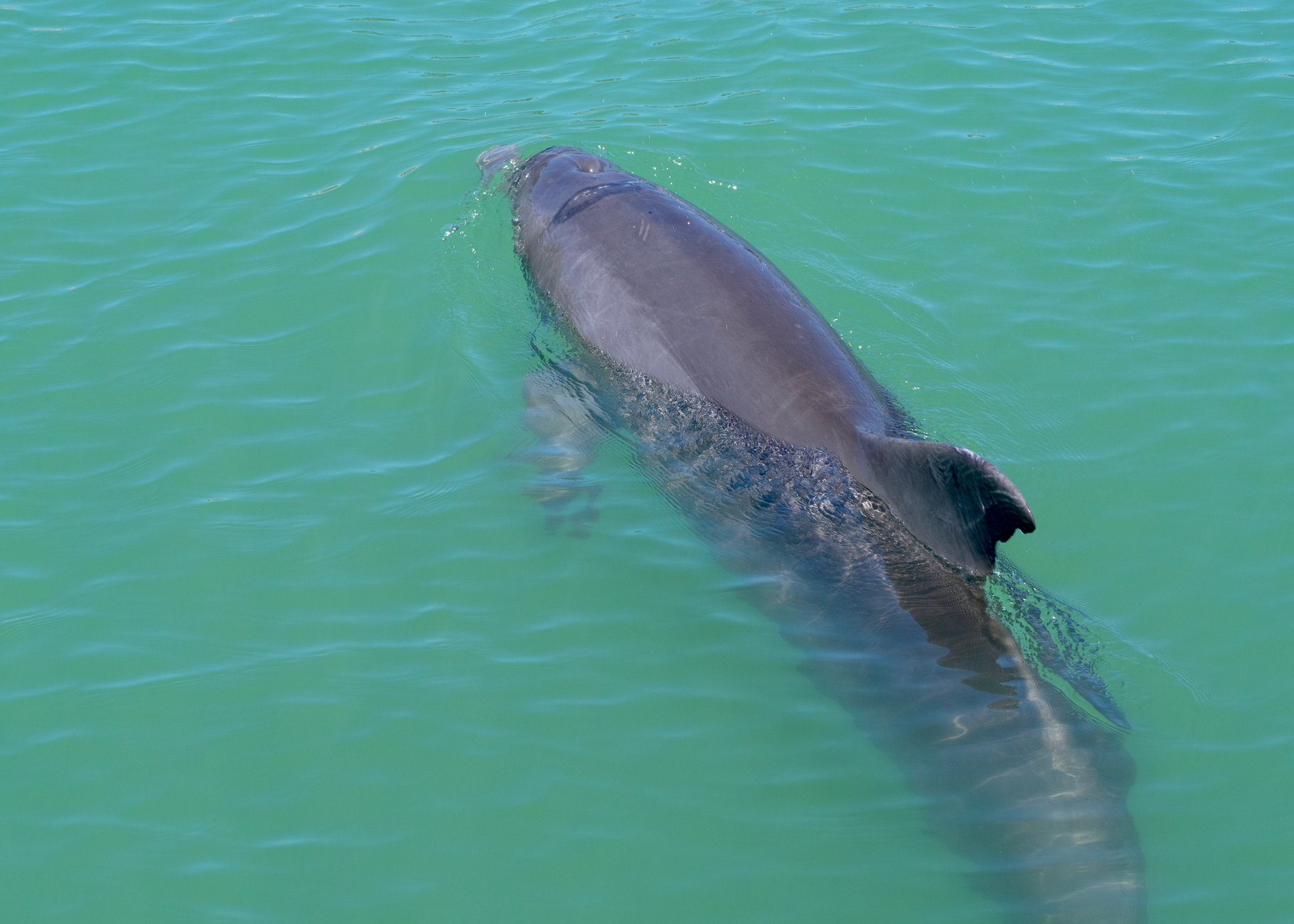
The vaquita, a shy porpoise with distinctive black-ringed eyes, is Earth's most endangered marine mammal, with as few as seven individuals remaining in Mexico's Upper Gulf of California. Despite its critical status, Mexican authorities recently announced a dramatic reduction in protected areas, allowing gillnets back into vast swathes of the vaquita's habitat. This decision, aimed at addressing local fishing community concerns, has sparked urgent warnings from conservationists who fear it could seal the species' fate.
The tiny vaquita's population has plummeted from over 550 in 1997 to a perilous handful today, primarily due to entanglement in gillnets—fishing gear that hangs like a curtain and is notorious for trapping non-target species. While some gillnets are used legally for shrimp and shark, they are also the tool of choice for poachers hunting the totoaba, a fish whose swim bladder fetches high prices on the black market for its alleged medicinal benefits.
Conservationists are deeply alarmed by the new regulations, which shrink the gillnet-prohibited zone by nearly 86 percent. This rollback means critical areas for the vaquita are once again open to this dangerous fishing method. “Every single vaquita matters,” said shark scientist Heidy Martínez, highlighting the severe consequences even one loss could have for the species’ survival.
The Mexican government's decision, defended by President Claudia Sheinbaum and Baja California Governor Marina del Pilar Ávila, emphasizes the need to support local fishing communities in San Felipe. For these residents, vaquita protections have often conflicted with their economic livelihood. This tension has previously escalated into violent confrontations between fishermen and conservation groups.
However, the new agreement hasn't satisfied everyone. Some local fishermen even blockaded roads, arguing that the new rules, despite allowing gillnets in more areas, still restrict access to productive shrimp zones and will be more strictly enforced than previous bans. Valeria Towns, a field coordinator for Pronatura Noreste, noted that while the intent might be to balance interests, previous protections were poorly enforced, making any new real enforcement feel like a threat to established practices.
This complex situation underscores the challenge of balancing environmental protection with local economic realities. The ultimate goal remains clear for conservationists: reducing the number of nets in the water to give the remaining vaquitas a fighting chance against extinction. Sustainable solutions that address both the dire urgency for the vaquita and the needs of local communities are critical to avoid a tragic loss.