Lawsuit Challenges Falklands Oil Project: What's Truly at Risk?

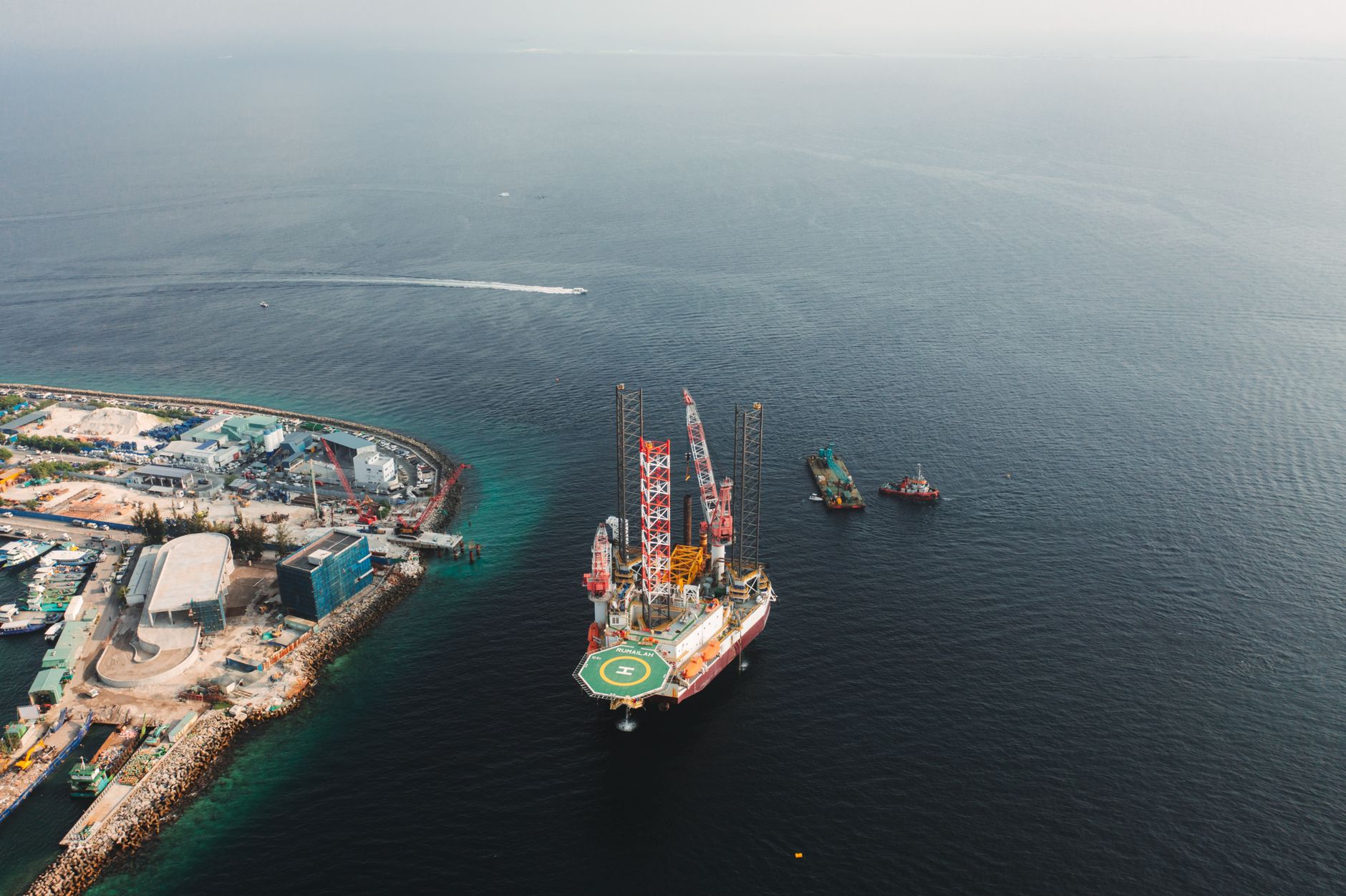
An environmental group and veterans' organization in Argentina have launched a significant lawsuit to halt a British-Israeli offshore oil project near the disputed Falkland Islands. They argue the "Sea Lion" project, planned for the Argentine continental shelf, poses a grave threat to the region's unique marine ecosystems, home to whales, penguins, and diverse fish species. Beyond ecological concerns, the lawsuit challenges the project on grounds of national sovereignty, asserting that Argentina's laws and environmental authorizations are being ignored. This legal action underscores the urgent need to protect vulnerable marine environments from fossil fuel extraction and highlights the complexities of international law.
A new lawsuit filed in Argentina aims to stop an offshore oil project by U.K.-based Rockhopper Exploration and Israel’s Navitas Petroleum. The "Sea Lion" project, located on the Argentine continental shelf about 136 miles north of the Falkland Islands (which Argentina calls the Malvinas Islands), is being challenged by the Argentine Association of Environmental Lawyers and the Malvinas Islands La Plata Ex-Combatants Center.
The plaintiffs warn that the project's 23 wells, along with new infrastructure, would significantly disturb the seabed and increase ship traffic and underwater noise. More critically, it introduces a major risk of catastrophic oil spills. This area is a vital biological bridge connecting South American marine life to Antarctica, hosting hundreds of fish species, Southern right whales, sea lions, penguins, orcas, and dolphins. Their food sources, reproduction, and migration pathways are all at risk, emphasizing why preventing such environmental damage is crucial for our planet's biodiversity.
Argentina's claim to the islands dates back over 190 years, leading to a war in 1982. The lawsuit argues that the oil project, approved by the Falkland Islands government, is proceeding without proper Argentine environmental assessment or authorization, violating national sovereignty. Plaintiffs describe the situation as a "double wound," affecting both ecosystems and the nation’s right to its natural assets, viewing resource extraction in disputed territory as a modern form of colonialism.
The lawsuit also asserts that the oil project violates the "rights of nature," a growing legal concept recognizing that ecosystems have a right to maintain their integrity. This approach has gained significant traction, especially in Latin America, and is supported by a 2025 advisory opinion from the Inter-American Court of Human Rights that emphasizes governments’ duty to protect and restore ecosystems. Additionally, veterans feel the project threatens the resting places of soldiers lost in the 1982 war, impacting historical memory and the grieving process.
Ultimately, the lawsuit seeks to block any financial transactions related to the project, aiming to cut off its funding and prevent the exploitation from ever beginning. This bold legal challenge underscores the importance of holding companies accountable for environmental impacts and respecting national sovereignty, especially when it comes to sensitive natural resources and the urgent need to move away from fossil fuel dependence.