Leaders sound global warming alarm at COP31: Is humanity truly listening?

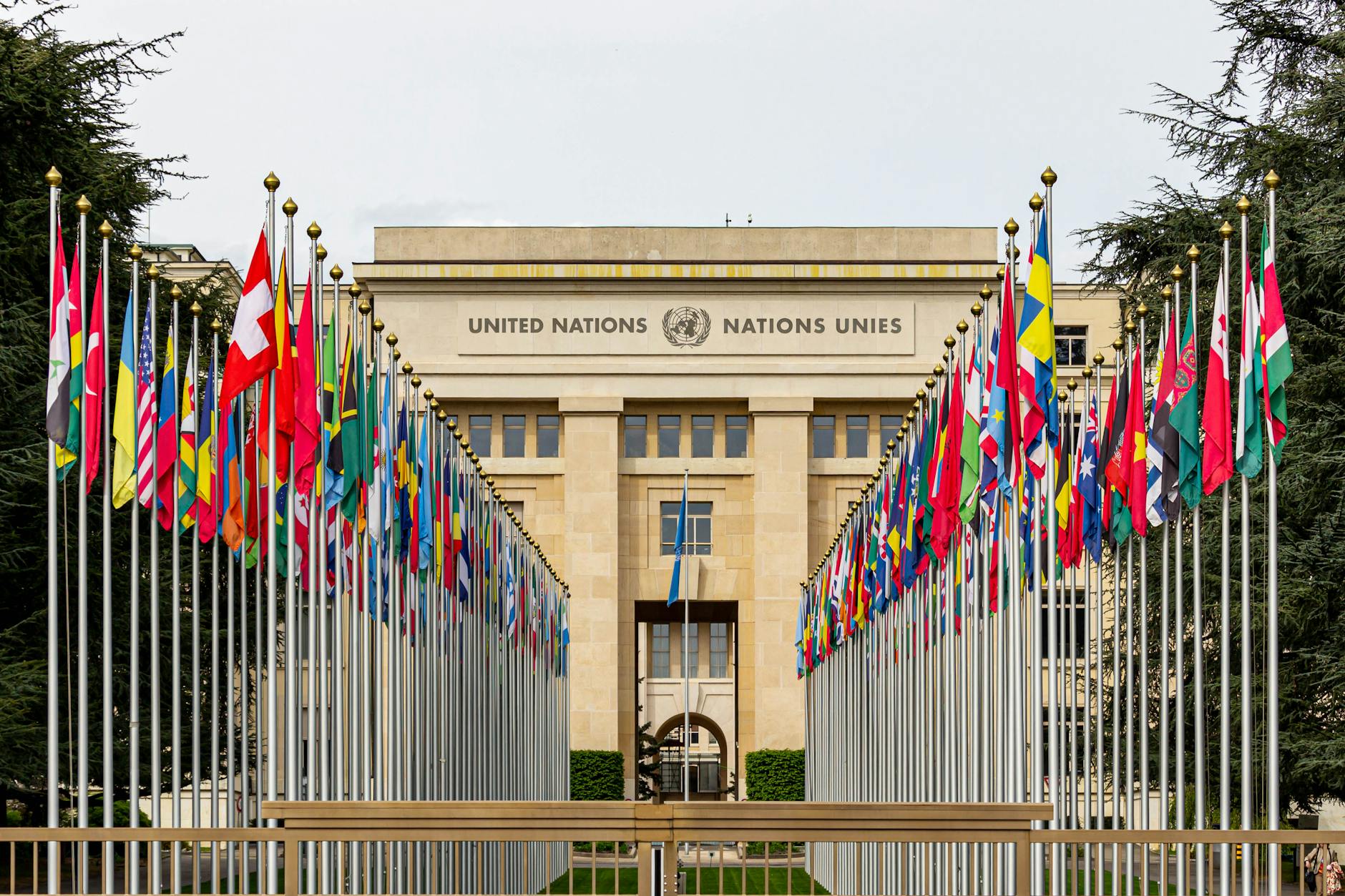
World leaders have convened at the United Nations climate conference (COP31) in Turkey, issuing stark warnings about the inadequate global response to warming. Vulnerable island nations, facing existential threats, likened the crisis to an ongoing war, stressing the disproportionate harm they endure. This summit follows a year of devastating floods and heatwaves, with the UN confirming that the world is on track to exceed critical warming thresholds. The urgent message is clear: current actions fall short, jeopardizing lives and livelihoods worldwide.
The plea for immediate action at the UN climate conference echoes loudly from nations on the frontline of climate change. Surangel Whipps Jr., President of Palau, expressed the devastating reality for his island nation, stating, “You might as well bomb us. That might have been easier than watching climate change tear apart our homes piece by piece.” Barbados Prime Minister Mia Mottley called the projected temperature “overshoot” a “debt of heat borrowed against our children’s future,” emphasizing that every delay costs coral reefs, harvests, and lives, citing the tragic floods in Nepal.
U.N. Secretary-General António Guterres laid out a framework for negotiations, highlighting the critical need to end reliance on fossil fuels, adapt to a warming world, increase financial support for vulnerable countries, and foster global cooperation. Brazilian President Luiz Inácio Lula da Silva also acknowledged that geopolitical conflicts have diverted attention from this pressing issue, pledging to protect the Amazon rainforest and work towards a sustainable future. Crucially, addressing methane emissions, a powerful heat-trapping gas, could buy valuable time, potentially avoiding nearly 0.3 degrees of warming by the 2040s and saving countless lives.
Despite these urgent calls, a concerning absence marked the summit: the top leaders from the world’s three largest polluting nations—China, the United States, and India—skipped the event. This drew sharp criticism, particularly with the U.S. being absent for the second consecutive year. Such gaps in leadership are seen as a serious impediment to collective climate action, undermining efforts to steer a global transition towards sustainable solutions. President Trump, for example, has previously dismissed climate change and targeted clean energy initiatives like offshore wind projects.
An annual climate change performance index recently highlighted the widening disparity between nations’ climate plans and their actual actions, with host nation Turkey and Australia ranking among the worst performers in curbing emissions. The current global landscape, impacted by conflicts like the war in Iran driving up oil prices, paradoxically presents an opportunity to accelerate investment in cleaner, more sustainable energy sources like wind and solar. This underscores the critical importance of seizing this moment to prioritize environmental protection and commit to decisive, collective action for a healthy planet.
Climate change displaced almost 30 million people in 2025, and countless more live in places unprepared for future risks. The time for hesitant measures is long past; urgent, transformative environmental action is no longer an option but a necessity.