Lebanon's Nature Defenders Face Deadly Peril

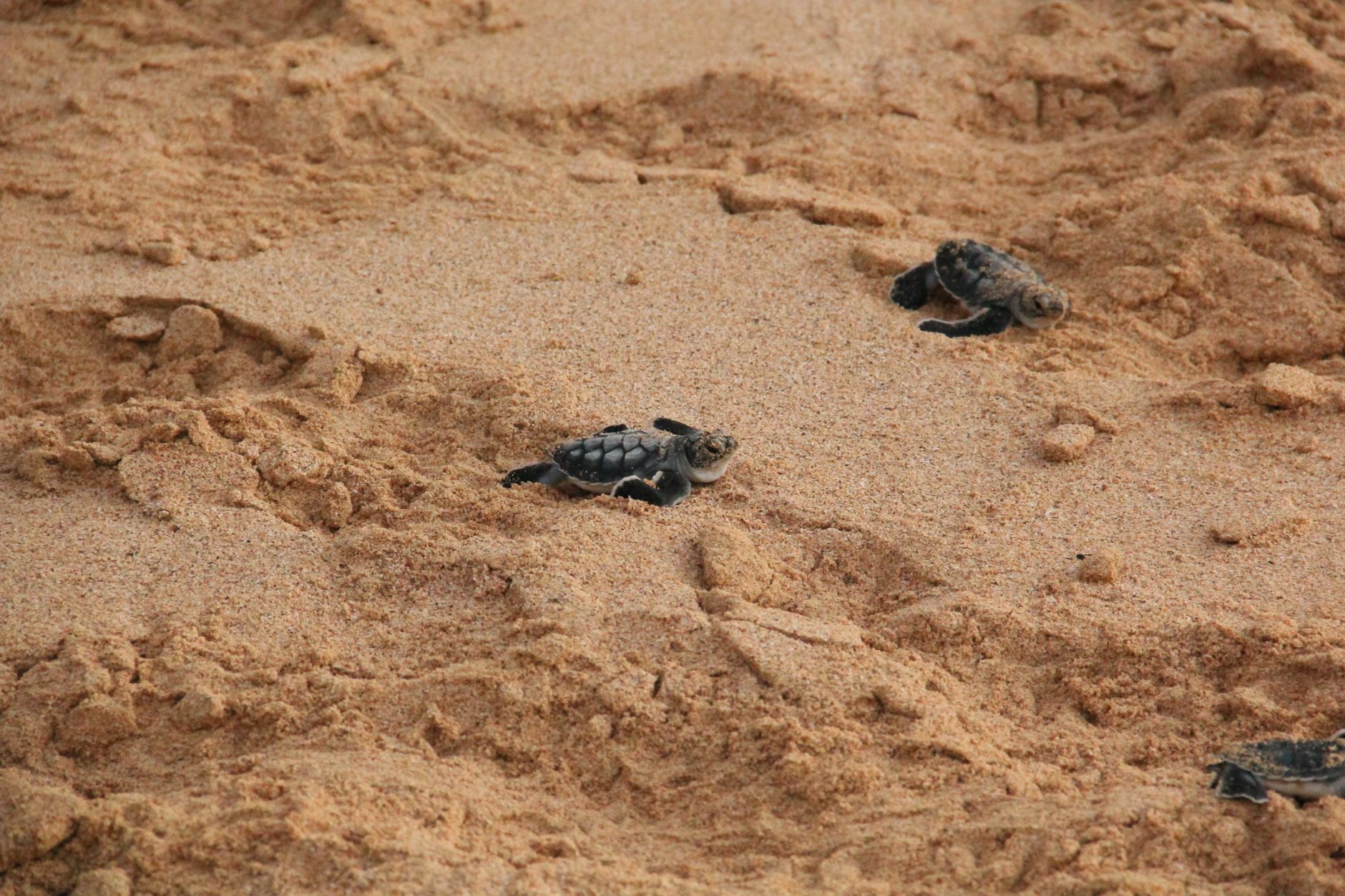
In Lebanon, a silent tragedy unfolds amidst ongoing conflict. Environmental defenders, driven by a deep sense of responsibility, are risking and losing their lives to protect the land, wildlife, and ecosystems from the devastating impacts of war. Despite ceasefires, daily attacks continue to threaten those dedicated to conservation, from monitoring sea turtle nests to caring for beehives. This brave work, often undertaken despite repeated threats and bombardments, highlights a profound commitment to life and sustainability in the face of widespread destruction and what many describe as ecocide.
The ongoing conflict in Lebanon has created a perilous environment for those dedicated to preserving nature. Many committed individuals, known as land keepers, have been killed, abducted, or threatened simply for doing their vital work. Environmental activists say that the death of Mona Khalil, who refused to abandon her beach conservation efforts despite threats, sent shockwaves through the community, but it was not an isolated incident.
Hisham Younes, president of The Green Southerners, shared heartbreaking accounts of colleagues killed while tending to animals and protecting wildlife. Among them was Osama Farhat, who meticulously documented environmental damage before being killed in an airstrike. Similarly, journalist Amal Khalil, known for her dedication to animals, was killed after an Israeli strike targeted her and a colleague.
These tragedies are part of a broader, deeply concerning pattern. Israeli forces have also reportedly abducted farmers and others caring for their land, aiming to intimidate locals. This escalating violence against environmental protectors and food systems has led many Lebanese environmental organizations to describe the situation as an ecocide, a wide-ranging campaign of destruction against the land and its life.
Since October 2023, more than 50,000 hectares of land have been ravaged, with reports from Human Rights Watch and Amnesty International documenting the repeated use of white phosphorus and local organizations reporting herbicides in border areas. Such cumulative destruction of forests, farmlands, biodiversity, and water resources should be recognized as crimes against the environment under international law.
Yet, despite the immense danger and personal loss, the work continues. Fadia Jomaa, displaced by the conflict, carries on Mona Khalil's legacy of sea turtle conservation along a different stretch of coastline, relocating vulnerable nests to safety. She, too, has faced threats, as reported by Reporters Without Borders. For these brave individuals, saving a clutch of turtle eggs or documenting damage isn't just conservation; it's a profound statement that life, and the environment that sustains it, must endure despite the ongoing destruction. Their actions underscore the critical importance of protecting our planet, even in the most challenging circumstances.