Lithium Prices Explode! What This Means for The Electric Future

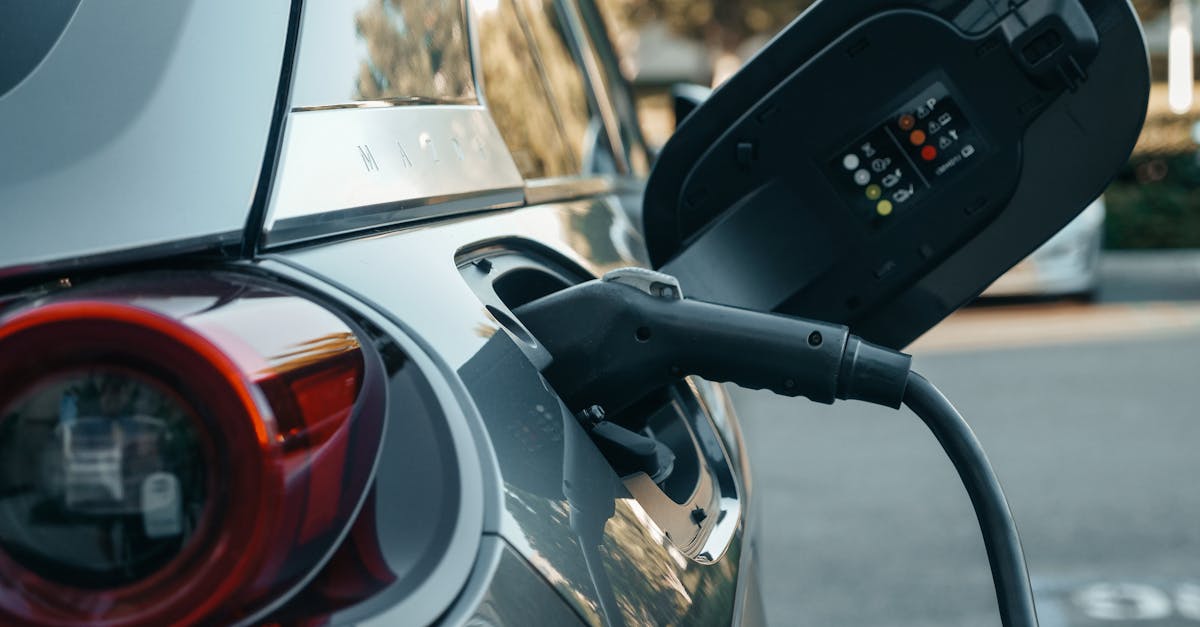
Lithium prices are soaring, with a recent jump highlighting its vital role in electric vehicles and energy storage. After a period of oversupply, strong demand forecasts from EV and battery industries are driving this sharp rebound. This surge could see prices climb significantly by 2026, posing both challenges and opportunities for a world increasingly reliant on clean energy. Domestic projects, like Surge Battery Metals' Nevada operation, are becoming crucial for a stable supply.
Futures prices for lithium carbonate in China recently jumped to about $13,400 per metric ton, a significant rebound from earlier lows. Historically, lithium prices have seen highs around $21,000 per ton in 2022 before a recent slump. This latest spike follows projections from Ganfeng Lithium's chairman, who expects global demand to rise by 30-40% by 2026, potentially pushing prices much higher.
Electric vehicles are the biggest driver for lithium demand, with millions more on the road each year. Longer-range vehicles and heavy-duty electric trucks require larger batteries, consuming even more lithium. Energy storage systems for solar and wind power are also quickly growing, further boosting demand as the world moves towards renewable energy.
Supply challenges are keeping prices high. Spot prices for lithium carbonate in China rose 57% in just five months this year, partly because major Chinese mines, including those operated by CATL, had paused operations earlier due to falling prices. This led to a tightening of available supply. Production is also concentrated in a few countries, adding risk to the global supply chain. Restarting old mines or opening new ones can take years, meaning existing inventories, though helpful in the short term, aren't enough for long-term growth, with global stocks at about 350,000 tonnes as per recent estimates.
While new battery technologies like sodium-ion and solid-state batteries might emerge, lithium-ion batteries are expected to remain dominant. Experts like Fastmarkets predict a lithium market deficit by 2026. Arcane Capital forecasts global demand could hit 4.6 million tonnes by 2030, while Benchmark Mineral Intelligence anticipates prices between $15,000 and $17,000 per ton in 2025. Still, a chart from Katusa Research indicates a growing supply deficit, suggesting continued upward pressure on prices.
However, several factors could slow this price recovery. If subsidies for EVs decrease or if other battery chemistries become cheaper, EV adoption could slow. Quick restarts of mines or unexpected new production could also lead to oversupply. Regulatory issues, environmental rules, and trade disputes also pose risks to supply. Higher lithium prices will impact automakers and battery makers, pushing them to secure supplies or invest in recycling.
In this environment, companies focused on domestic production are gaining attention. Surge Battery Metals is becoming a key U.S. lithium developer. Its Nevada North Lithium Project holds the highest-grade lithium clay resource reported in the United States. The project shows strong financial promise, with estimated low operating costs of $5,243 per tonne of lithium carbonate equivalent.
With a projected average production of 86,000 tonnes per year, this Nevada project could rank as one of the world's largest lithium producers. This scale, quality, and location are crucial for the U.S. to build its own lithium supply chain, reducing reliance on imports and supporting the growth of EV manufacturing and energy storage with American-made battery materials.
As lithium continues its central role in the global energy shift, industry players, investors, and policymakers will closely watch these developments. Companies like Surge Battery Metals represent the kind of domestic production needed to meet rising demand and strengthen supply chains in this fast-changing market.