Local Climate Solutions Lack Funds. Here's Who's Changing It.

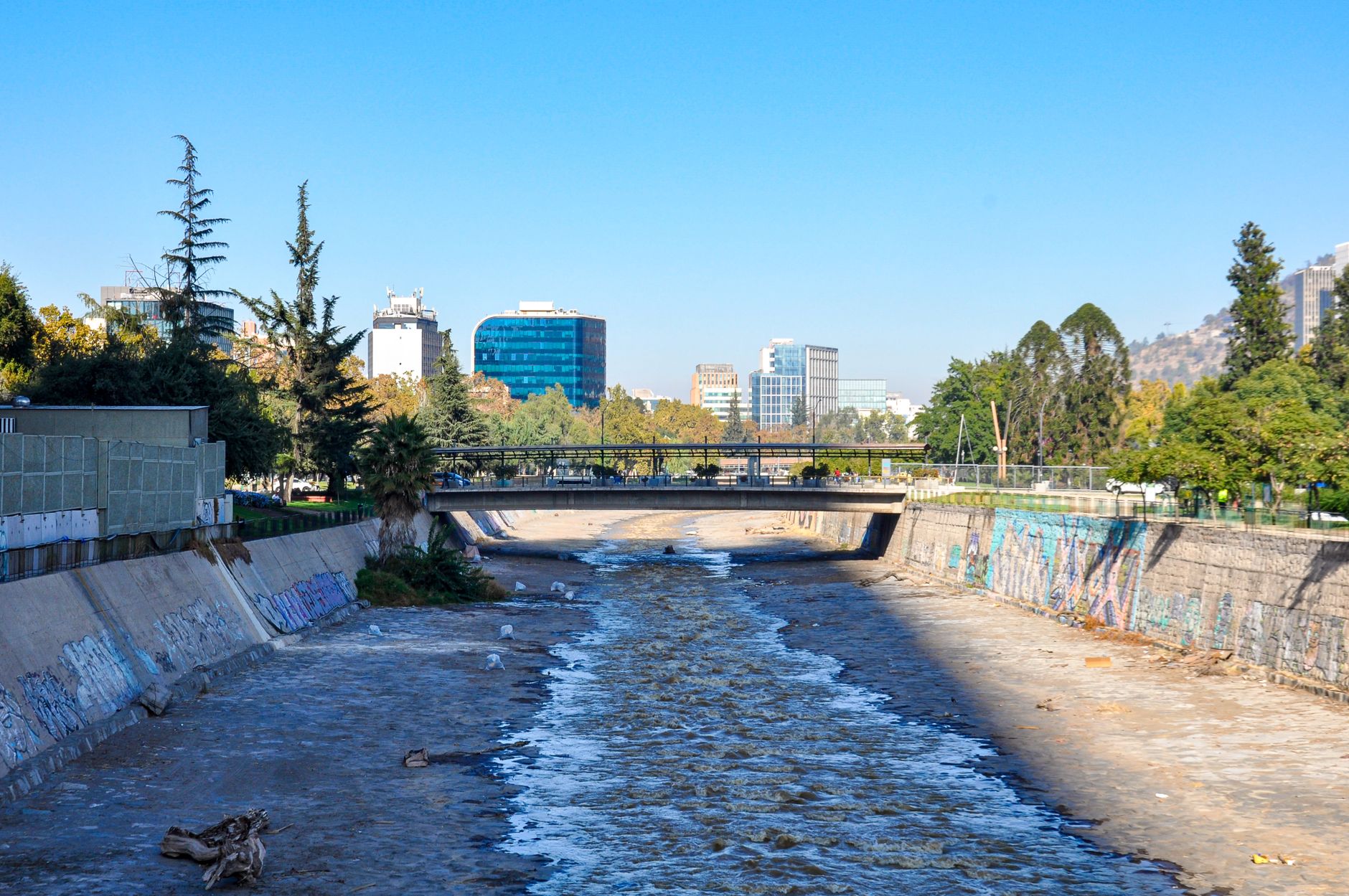
Local governments are often on the front lines of climate change, tackling issues like water crises and urban development. However, securing international funding for these vital environmental projects can be a major challenge, as most global climate finance flows through national governments. This traditional structure often delays or blocks direct investment in local initiatives, hindering urgent climate action. Visionary leaders are now finding innovative ways to bypass these barriers, proving that direct local investment is crucial for effective and timely environmental solutions. Their efforts highlight the pressing need to rethink how global funds reach communities most impacted by climate change.
The current global system for funding climate action often overlooks local governments, despite their crucial role in tackling environmental challenges directly. While nations receive most of the international climate investment, cities and regions are typically the ones implementing solutions, from innovative wastewater reuse systems like Renca, Chile’s Cerros de Renca Metropolitan Park, to broader urban development projects. This mismatch means critical local efforts often go unfunded.
Mayor Claudio Castro of Renca, Chile, highlights that for his city, climate investment isn't just an environmental concern; it's deeply tied to social justice, public health, and urban growth. He has spent a decade attracting direct international support, bypassing traditional national government channels, which can be slow and inefficient. Experts agree that local governments, being closer to the people, better understand specific climate issues but are frequently blocked from direct financial pipelines due to "sovereign-only mandates" in global finance, as Castro describes Inside Climate News.
To address this, the CHAMP Coalition, organized by the nonprofit World Resources Institute, is empowering local governments to demonstrate their financial viability to investors. Brazil and Germany recently launched a steering committee for this group WRI. Aggregating similar local projects can create the necessary scale to attract significant investment, bridging a gap that currently sees vital climate funds falling short for cities. Data from the OECD shows that local governments already manage a large portion of public climate investment domestically, indicating their capacity for impactful action.
Despite these hurdles, local leaders are making diplomatic pushes to secure funding. Renca's innovation hub, La Fábrica de Renca, directly connects with investors, earning international recognition for its approach to sustainable development. These pioneering efforts underscore a clear message: investing directly in local communities is not just about funding projects, but about accelerating global climate action and building a sustainable, resilient future for everyone. The urgency of the climate crisis demands that financial systems adapt to support those on the front lines effectively.