Long-Lost Coral Reef Thrives Off West Africa's Coast?

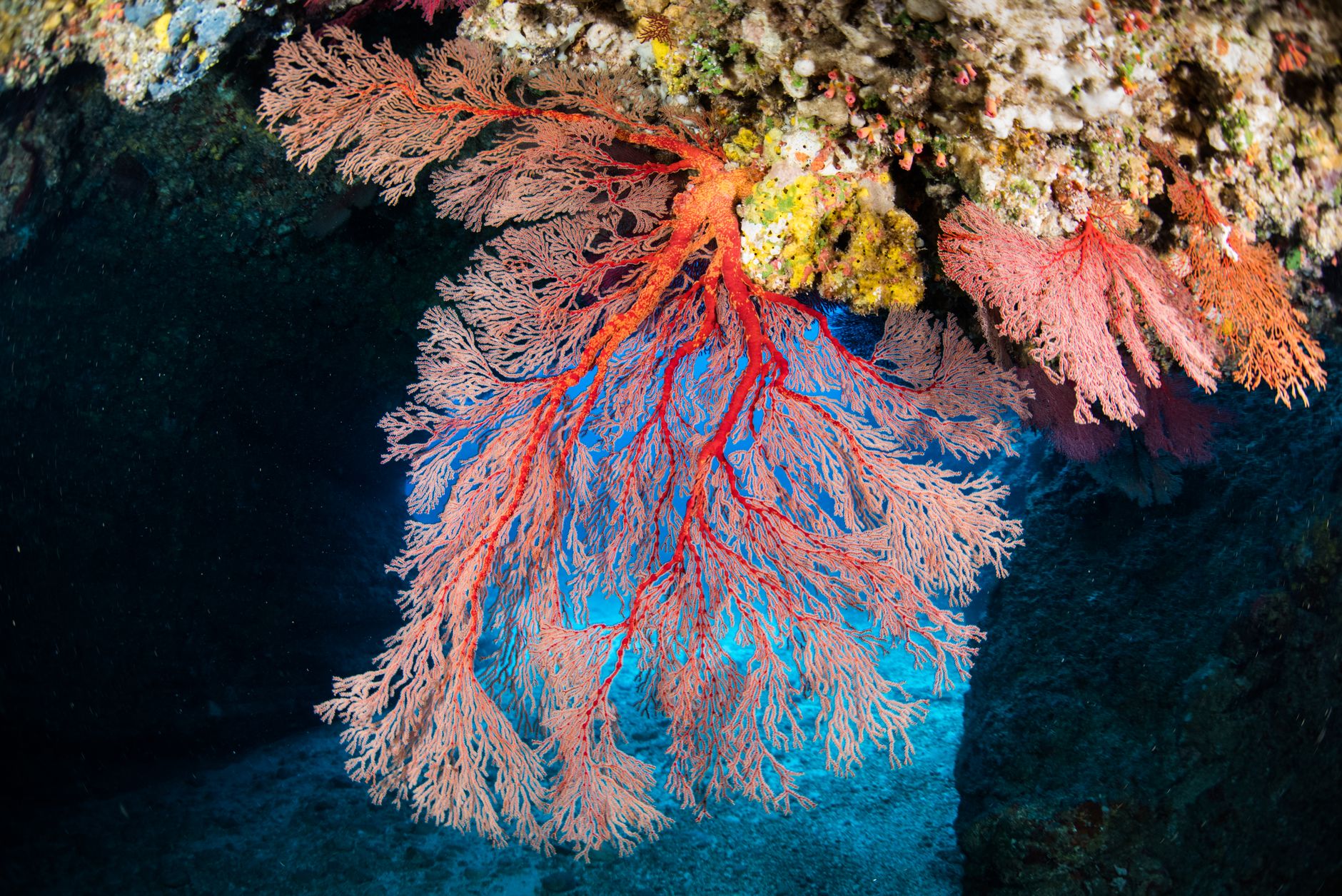
In a heartwarming twist for marine conservation, a vibrant coral reef, long thought lost, has been rediscovered off Benin, West Africa. First noted in the 1960s, then forgotten, many scientists had assumed this reef succumbed to the global crisis that has seen over 50 percent of the world's coral cover vanish since the 1950s. This resilient ecosystem, teeming with diverse coral and fish species, offers a crucial beacon of hope. It underscores the immense value of dedicated local research and persistent efforts to protect our planet's fragile marine environments.
For over six decades, the reef’s exact whereabouts remained a mystery. It was widely believed to have perished like much of the world’s coral, given that over 50 percent of global coral cover has vanished since the 1950s. Yet, driven by hope and a simple question—"Do we have any reefs in Benin?"—Gérard Zinzindohoué led a team of local scientists on a quest. Their remarkable rediscovery confirms a thriving reef teeming with eight coral types and eight fish species. It’s a powerful testament to nature's resilience, proving some ecosystems can indeed "defeat time."
The journey to uncover this vibrant underwater world was challenging. After securing a grant, the team faced hurdles from equipment payments to the lack of a dedicated research vessel. They relied on local fishermen, adapting small pirogues to tow high-tech sonar 14 miles offshore. Despite repeated engine failures and months of seasickness, their dedication led them to strong sonar signals, confirmed by a special camera system from National Geographic.
The footage revealed a spectacular mesophotic coral ecosystem (MCE) at over 175 feet deep. These unique, light-dependent habitats, bridging shallow and deep-sea environments, are among the least explored, yet hold immense ecological importance. This undisturbed site is a treasure trove, offering potential insights into past climates through paleoclimatic studies. Understanding its history can guide future conservation efforts, highlighting why protecting these vital natural systems is crucial for our planet’s health.
The discovery has ignited strong conservation hopes. Researchers are advocating for the creation of a marine protected area to safeguard the corals and other marine life, including various sharks and rays. This groundbreaking local initiative underscores the urgent need for more scientific research and protection in West Africa, where rich ecosystems are often undervalued. It powerfully demonstrates that local scientists are essential in understanding and preserving their own invaluable marine heritage.