Louisiana's Free Flood Aid: Why Few Homeowners Say Yes?

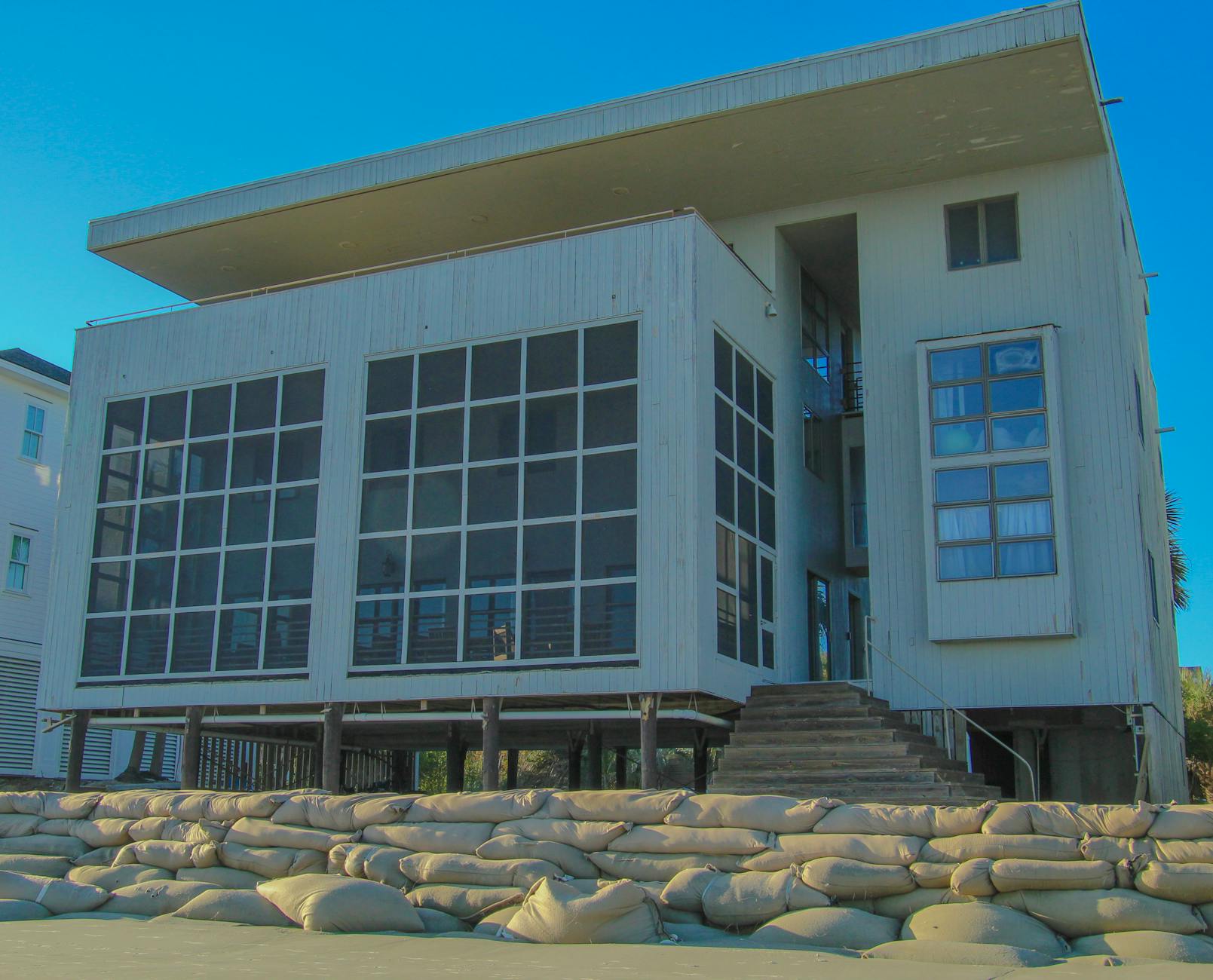
Coastal southwest Louisiana faces growing threats from rising seas and intensifying hurricanes, making flood protection more urgent than ever. To help, the U.S. Army Corps of Engineers offered free home elevations for around 1,000 eligible homes. Surprisingly, after three years, only a fraction of homeowners have accepted this crucial assistance. This hesitation highlights complex community concerns that stand in the way of essential climate adaptation efforts. Addressing these concerns is vital for protecting vulnerable communities.
In coastal southwest Louisiana, communities are on the front lines of climate change. With ocean levels creeping higher and hurricanes growing stronger, homes face an increasing risk of devastating floods. Recognizing this danger, the U.S. Army Corps of Engineers stepped in with a significant offer: to elevate up to 1,000 homes completely free of charge, aiming to shield them from future high waters.
Despite the clear benefits of such a program, participation has been remarkably low since its launch three years ago. To understand why, the Environmental Defense Fund conducted focus groups with residents. They found that while people are "cautiously optimistic" about the offer, many significant questions and a deep-seated distrust of government agencies remain. Homeowners worry about who will perform the work and if their insurance rates might increase. More profoundly, some communities feel abandoned after previous disasters, making them wary of putting their faith in state or federal projects.
This situation underscores a critical lesson for climate action: technical solutions alone aren't enough. As Allie Olsonoski of the Environmental Defense Fund explained in a report, there needs to be a "concerted effort to build a presence, a relationship, and really trust in these communities" before they will feel comfortable participating. For our communities to successfully adapt to a changing climate, and for vital sustainability initiatives to take hold, building strong relationships and trust is just as important as the solutions themselves. Protecting our environment and preparing for climate impacts requires not only engineering but also genuine community engagement.