Lula's Amazon Dilemma: What Lies Beyond Deforestation Cuts?

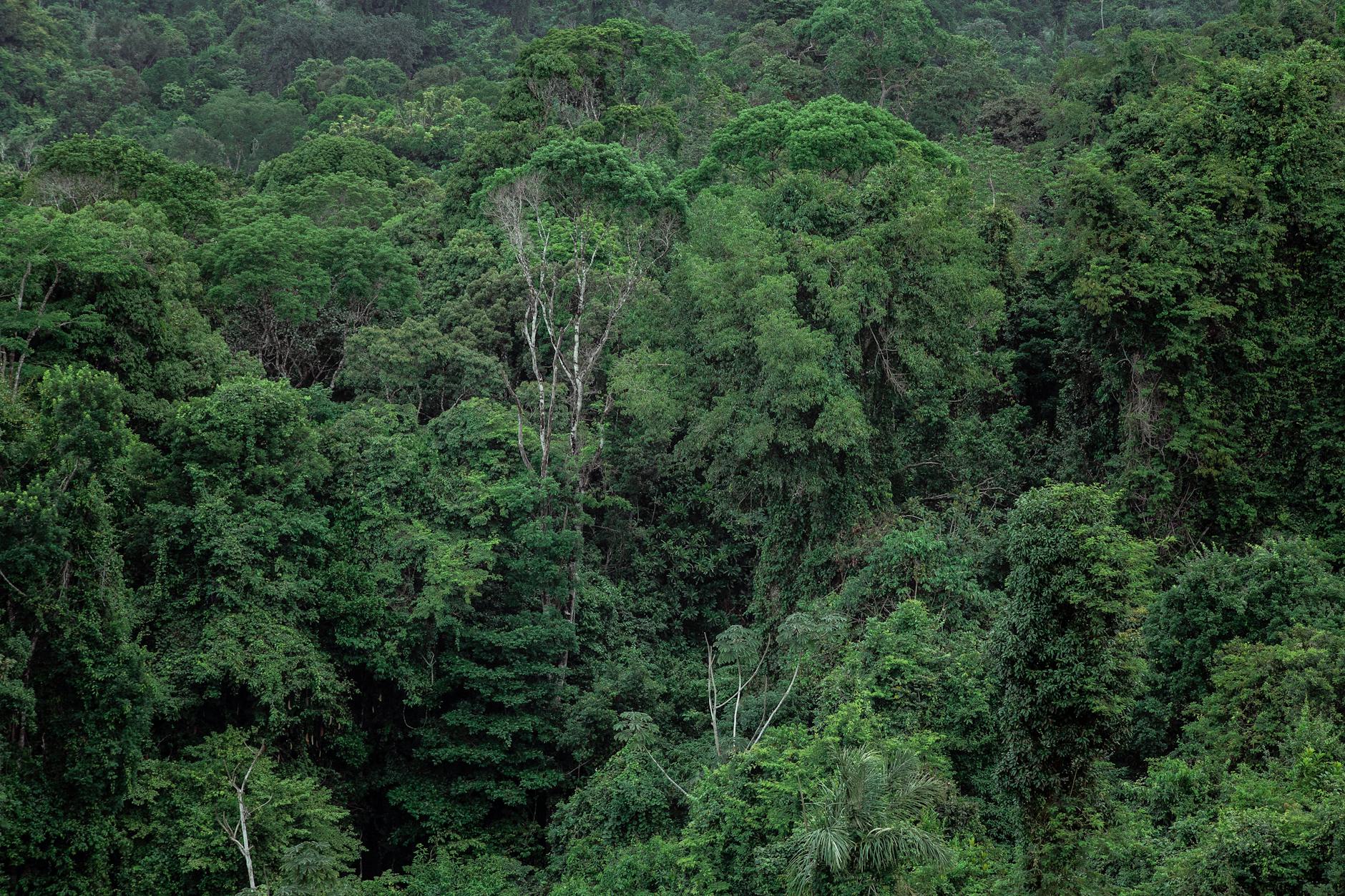
Brazil's President Lula da Silva faces increasing scrutiny over his administration's complex approach to the Amazon. While recognized for efforts to curb deforestation, his government also champions controversial projects like new oil exploration, the paving of the BR-319 highway, and significant mining operations. These initiatives, defended for economic growth and energy security, alarm environmentalists and Indigenous communities, who warn of accelerated forest degradation and violations of traditional rights. The global community watches closely as Brazil navigates the urgent challenge of balancing development with the irreplaceable value of the Amazon rainforest.
President Lula's government has publicly defended oil exploration as crucial for job creation, investment, and national energy security. Yet, this push for new oil reserves directly clashes with Brazil’s pledges to combat climate change, raising serious questions about the nation's commitment to a sustainable future. Every exploratory well, even if not immediately commercial, paves the way for further fossil fuel extraction, directly contributing to global warming.
Adding to these concerns is Lula's steadfast support for paving the controversial BR-319 highway, connecting Manaus to Porto Velho. Despite scientific warnings for years that such a project could drastically accelerate deforestation by facilitating land grabbing, logging, and cattle ranching, the administration continues to advance works, claiming environmental safeguards are in place. However, roads fragment delicate ecosystems, increase human access to vulnerable areas, and heighten the risk of forest degradation and devastating fires, making effective environmental action critically important.
Mining also remains central to Brazil's development strategy, even for projects facing strong opposition from Indigenous communities. In Amazonas, the Potássio do Brasil potash project in Autazes is fully supported by Lula's government, despite being in an area traditionally occupied by the Mura people. While proponents highlight economic benefits, many Mura fear irreversible damage to their territory and livelihoods, with federal prosecutors already challenging the project's environmental licensing for alleged Indigenous rights violations MPF. Similarly, the Belo Sun gold mine in Pará, near the Xingu River, has faced years of legal battles, with Brazil’s Supreme Federal Court restoring the suspension of its installation license in October 2026 due to environmental concerns and lack of Indigenous consultation STF. These cases underscore the persistent struggles faced by communities against powerful extraction projects.
The government also promotes an Amazon bioeconomy, aiming to generate income while conserving the rainforest. While seemingly beneficial, this approach can give outside investors significant control over forest resources and traditional knowledge. Often, Indigenous communities provide raw materials and expertise, but companies and financial intermediaries retain greater control over processing and markets. Additionally, some companies in extractive industries contribute to conservation funds, which can improve their public image even as their environmentally damaging activities continue elsewhere. Protecting the Amazon effectively means safeguarding its health and carbon absorption capacity, not just keeping trees standing.
Indigenous and traditional communities have a fundamental right to challenge projects that impact their territories and demand meaningful consultation. While Lula deserves credit for reducing deforestation rates, his administration must be held accountable for development policies that could undermine these achievements. True Amazon protection requires confronting not only deforestation but also degradation, fires, and rising carbon emissions, alongside all economic activities that threaten this vital global ecosystem.